
If you think art is just a hobby, the data quietly says it belongs next to sleep, food, and exercise in your health routine.
Story Snapshot
- Creative activities can lower stress hormones and ease anxiety.
- Art engagement is linked to better mood and slower cognitive decline in older adults.
- You do not need talent, training, or fancy supplies to get real health benefits.
- Simple art habits can fit into your day as easily as a walk or a cup of coffee.
Art As A Real Health Behavior, Not Just A Nice Extra
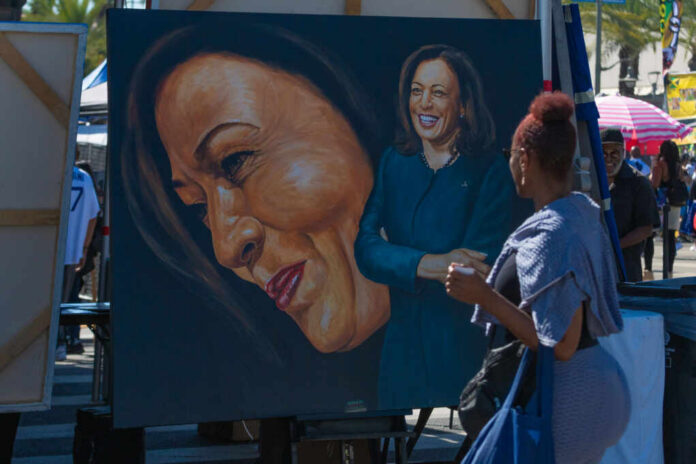
Researchers are now treating art like a true health behavior, not a soft side hobby. One major line of work shows that making art can reduce stress, improve mood, and boost self-confidence, even in clinical settings where people face serious burnout and anxiety. Another review in public health found that creative engagement, whether you view art or create it, can improve psychological states and even influence important physical measures tied to healing and recovery. This is not wellness wishful thinking; it is measurable change.
This matters because many wellness trends ask you to buy yet another powder or gadget. Art asks you mainly for time and attention. There is no subscription fee to doodle, hum a tune, or tend a garden bed. When a habit offers clear benefits without pushing products, it deserves more respect than much of the “miracle fix” noise that fills social media today.
How Art Calms Your Stress System And Lifts Your Mood
Stress is not abstract. Your body pumps out cortisol and raises blood pressure when you live in fight-or-flight mode. Creative activities such as painting, sculpting, or weaving have been found to lower cortisol levels and reduce blood pressure while promoting relaxation. One often-cited study showed that just 45 minutes of art-making significantly reduced cortisol, the main stress hormone, in participants. That is shorter than a television episode and requires no gym membership or complicated protocol.
Researchers working with creative self-expression report that even a single honest session of art can ease feelings of stress, anxiety, and burnout. For older adults, arts participation is linked to reduced rates of cognitive decline and better mood. These findings line up with everyday experience: when your mind fully focuses on a creative task, worries pause. That quiet is not “woo”; it is your nervous system shifting out of overdrive into a more balanced state.
Art And Your Brain: Memory, Thinking, And Aging
There is growing evidence that creative work helps your brain stay sharper as you age. Engaging in art stimulates cognitive function and can improve memory. Large-scale studies of arts and health report links between arts participation and lower rates of cognitive decline among older adults. In public health research, both viewing art and creating it have been tied to better mood and psychological well-being, which are themselves protective against many age-related problems.
One major advantage here is that art can be adjusted for any stage of life. A person recovering from illness may respond to music or simple drawing. A busy grandparent might get benefits from woodworking, quilting, or photography. You do not need to be “good” at any of it. University researchers emphasize that health benefits are not tied to artistic skill or excellence, but to regular engagement. That truth cuts against the idea that only experts or professionals deserve to make art.
Eight Practical Ways To Add More Art To Your Health Routine
Turning art into a habit works best when it is simple and repeatable. Health researchers now talk about “arts engagement” the same way they talk about walking or sleep. They suggest making time for art, creating with others, and choosing forms you truly enjoy. Clinical studies echo this, urging people to treat creativity as another form of sustenance, as critical to human health as nutritious food, exercise, and good rest.
Here are eight concrete ways to weave art into your day without turning your life upside down: first, pick one creative hobby that fully engages your mind—collage, knitting, cooking, or gardening all count. Second, set aside a small, regular block of uninterrupted time for that hobby, even 20 minutes. Third, pour your energy into the process, not the outcome; let yourself experiment without worrying if it looks “good.” Fourth, allow your hobby to evolve over time instead of locking yourself into one narrow identity.
Building A Sustainable Art Habit That Respects Your Time And Values
Fifth, share your creative work with others when you feel ready; connection itself carries health benefits, including less loneliness and more social support. Sixth, stack art onto habits you already have. Play music and move while you cook or clean. Keep a small sketchbook or journal where you sit with your morning coffee. Seventh, join a local class or workshop so art includes community, not just solo effort. Eighth, treat art sessions like health appointments—non-negotiable time you defend on your calendar.
There is a fair warning here. Experts who study “wellness-washing” remind us that health claims should not leap beyond the data. Art is not a magic cure for heart disease or dementia, and any outlet that sells it that way should raise red flags. But when you look at serious research, a clear picture appears: regular, honest creative engagement reduces stress, supports mood, helps thinking, and can be folded into daily life with almost no downside. That is the kind of quiet, steady habit that fits values of responsibility, discipline, and living within your means.
Sources:
mindbodygreen.com, health.yahoo.com, instagram.com, tiktok.com, artworkarchive.com, gmb.io