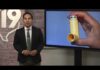

A former circus artist stood on a red dot and argued that risk, not routine, is what keeps your career safe.
Story Snapshot
- Andreas Gebhardt delivered a TEDxGraz talk on why stability is not safety in careers.
- He drew on his circus background to show how markets can shift under your feet.
- The talk highlights adaptation as the true shield against job loss.
- OECD research shows job churn and reallocation are constant features of modern work.
What Happened On Stage At TEDxGraz
Andreas Gebhardt took the TEDxGraz stage with a clear message: career stability is not career safety. The event listing places him on the 2025 speaker roster in Graz, Austria, confirming the setting and his role in the program. Summaries of the talk present a direct thesis. He contrasts the comfort of a steady job with the reality of markets that can change fast, then argues that adaptation is the real safety mechanism.
Gebhardt speaks from lived experience. He is described as a state-certified circus artist and former professional juggler. He uses his path to explain how talent markets can flip when new rivals arrive or tastes change. The story serves as a case study for audience members who believe time in a role equals protection. His core ask is to trade the illusion of permanence for the habit of learning and pivoting.
The Core Claim: Stability Is Not Safety
The talk’s spine is straight: what looks steady can be fragile. A single employer, a single skill, or a single market can buckle. Audience summaries quote his frame that true safety comes from the ability to adapt to change, not from clinging to a static post. That line matches a broad body of research on modern labor markets. Studies show that jobs shift as technology and demand move, and that workers who can switch roles fare better.
One cited figure in summaries says 7 to 9 percent of jobs disappear each decade due to market and tech shifts, with new roles rising in fields like artificial intelligence and social media. The precise source is not named in those summaries, so treat the number as a directional marker, not a fixed rule. What is well documented is the constant churn of jobs: every year, more than 20 percent of jobs are created or destroyed across advanced economies, which demands resilience from workers and firms alike.
His Circus Lens On Competition And Change
Gebhardt’s story walks through a performer’s life shaped by outside shocks. Summaries describe how the fall of the Iron Curtain expanded the talent pool, bringing new, highly trained competitors to Western stages. Later, the rise of Cirque du Soleil raised the bar for production value and audience expectations. The point is not nostalgia. It is cause and effect. When the field changes, the safe move is to change with it, even if your daily work once felt secure.
The lesson maps to mid-career and late-career workers who feel stuck. People over 40 often hold deep craft but face new tools and trends. The smart play is to use that craft as a base and layer new skills on top. Build a second and third way to earn. Grow your network beyond one boss. Track how your industry makes money today, not how it did ten years ago. This is not fear talking. It is insurance you own and can renew.
How To Turn The Talk Into A Plan
Audit your risk. List the skills you sell, the buyers you depend on, and the trends that could cut demand. Add one new, in-demand skill each quarter. Tie it to visible output, like a credential or a project. Build a second channel to earn, even if small. Join the rooms where your field is moving. Negotiate for learning time like you negotiate pay. Treat your career like a balanced portfolio: diversify and rebalance as conditions shift.
Sources:
youtube.com, t.me, recall.it, openpr.de, linkedin.com, altky.sk, oecd.org, voced.edu.au