

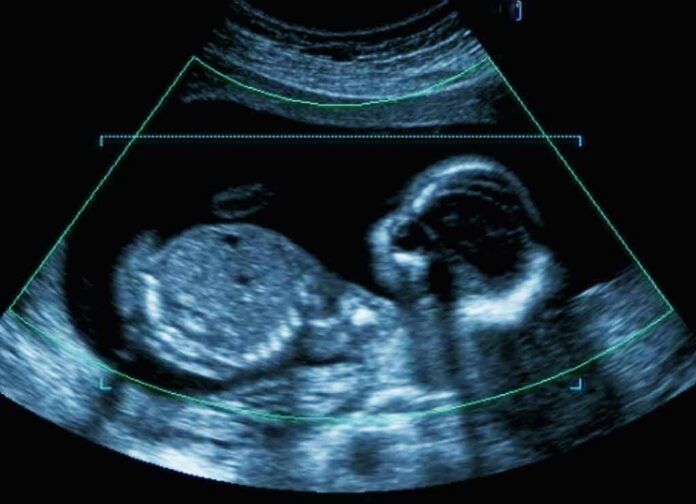
Some of the joints rheumatoid arthritis attacks later in life may already be marked for trouble while a baby is still in the womb.
Story Snapshot
- Scientists at the Kennedy Institute found that joints commonly hit by rheumatoid arthritis had distinct cell patterns before birth.
- The study, published in Nature Immunology, is titled “The embryonic origins of site-specific arthritis.”
- Joints prone to the disease showed larger synovial volumes and more of a specific fibroblast cell type.
- The finding may explain why rheumatoid arthritis strikes certain joints and skips others entirely.
A New Clue To An Old Medical Mystery
Doctors have long known rheumatoid arthritis does not attack the body evenly. It targets specific joints, like the hands and wrists, while leaving others largely untouched. Nobody had a solid answer for why. Researchers at the Kennedy Institute now say part of the answer may be written into the body months before a person is even born, according to a report on their new study.
The team examined joint tissue and found that joints later prone to rheumatoid arthritis already looked biologically different before birth. These joints carried their own unique mix of cells, separate from joints that rarely develop the disease. The report states plainly that “these differences were established before birth,” pointing to a developmental origin for a disease usually blamed only on adult immune malfunction.
What Made These Joints Different
The susceptible joints did not just look different under a microscope. They also had larger synovial volumes, meaning more of the fluid-filled space that cushions and lubricates a joint. On top of that, these joints contained higher numbers of a specific fibroblast cell marked by a protein called PI16. Fibroblasts help build and repair connective tissue, so their early abundance may set the stage for future inflammation.
This detail matters because fibroblasts are increasingly seen as active players in rheumatoid arthritis, not just bystanders. If certain joints are stocked with more of these cells from the start, that could help explain why inflammation takes hold there first when the immune system later turns aggressive. The study suggests joint architecture itself may prime the battlefield long before any autoimmune attack begins.
Why This Fits A Larger Pattern In Rheumatoid Arthritis Research
This prenatal theory does not stand alone. Rheumatoid arthritis has always been closely tied to reproductive biology in ways researchers are still untangling. Pregnancy itself is known to change disease activity dramatically, with many patients improving during pregnancy only to flare afterward. One widely cited analysis found that 60 percent of patients improved during pregnancy, while nearly 47 percent relapsed after giving birth.
Other research backs up how tightly disease activity is linked to hormonal and immune shifts around childbirth. One study found disease flares during pregnancy in 29 percent of rheumatoid arthritis patients, often tied to stopping certain medications early in pregnancy. A separate study reported that 39 percent of patients had at least a moderate flare after delivery. This pattern of immune systems reacting strongly to reproductive timing makes a developmental, before-birth explanation for joint vulnerability far more believable.
Separately, researchers in Australia found that women who gave birth multiple times had lower odds of developing rheumatoid arthritis at all, while having no children, along with obesity and smoking, raised the risk. Taken together, these findings paint a picture of a disease shaped by biology at multiple life stages, not just triggered randomly in adulthood. The new embryonic joint research adds an earlier chapter to that story.
What This Could Mean Going Forward
For the roughly 1.3 million Americans living with rheumatoid arthritis, this research will not change treatment right away. But it does shift how scientists think about the disease’s roots. Instead of viewing rheumatoid arthritis purely as an immune system gone wrong later in life, researchers now have evidence that some joints may be structurally set up for risk from the very start.
That kind of foundational understanding often precedes better prevention strategies and more targeted treatments down the road. Knowing which joints are structurally primed for disease could eventually help doctors watch high-risk patients more closely or design therapies that address joint-specific vulnerabilities rather than treating rheumatoid arthritis as one uniform condition throughout the whole body.
Sources:
sciencedaily.com, pubmed.ncbi.nlm.nih.gov, medicalxpress.com