

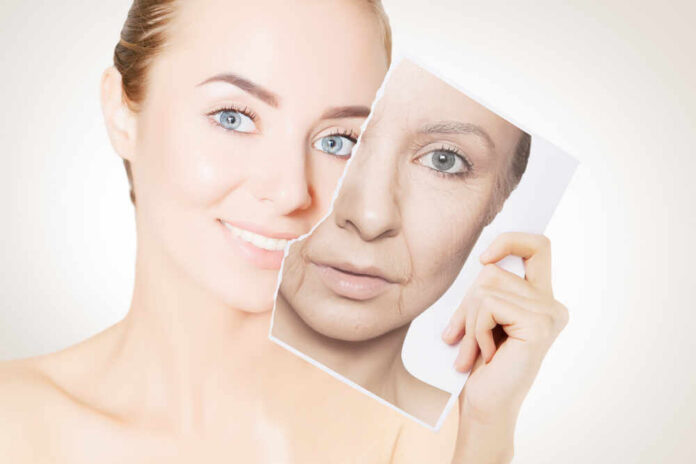
You can buy a thousand serums, or you can do three things that dermatology keeps repeating because they actually move the needle.
Story Snapshot
- Daily sun protection remains the single most endorsed anti‑aging step in mainstream dermatology guidance [6].
- Retinoids strengthen skin structure and smooth texture when used consistently and patiently [2][9].
- A simple routine—cleanse, moisturize, sunscreen—outperforms complicated lineups for most people [4][6].
- Healthy habits support skin’s appearance, but bold supplement promises outpace evidence [6].
Daily sunscreen is the quiet workhorse that prevents the damage you notice years later
American Academy of Dermatology guidance leads with one commandment: protect your skin from the sun every day using broad‑spectrum, water‑resistant sunscreen with a sun protection factor of 30 or higher, and treat errands like a beach day because ultraviolet exposure adds up [6]. Expert explainer videos echo the point, placing sun protection as a non‑negotiable pillar of any routine [9]. Prevention is not flashy, but photoaging—pigment, texture roughness, and laxity—tracks closely with accumulated ultraviolet exposure, which is why consistent protection pays compounding dividends [6].
Real‑world execution determines results. Many people under‑apply sunscreen and skip reapplication, which guts protection and fuels skepticism about whether sunscreen “works.” Follow the label the way you would for a blood pressure medicine you want to actually work: use enough, cover exposed skin, and reapply with outdoor time. No politician can vote your skin younger; only your daily habit can. Dermatology guidance also endorses shade, hats, and clothing as insurance policies you do not have to remember to reapply [6].
Retinoids build better skin architecture if you respect the learning curve
Dermatology clinics consistently recommend topical retinoids to stimulate collagen production, improve skin texture, and reduce fine lines and age spots [2]. Physician educators describe retinoids—retinol and prescription retinoic acid—as agents that increase dermal and epidermal thickness and refine pigmentation and lines over months, not days [9]. The catch is adherence: retinoids can irritate at first. Starting two nights per week, using a pea‑sized amount, moisturizing, and advancing slowly converts a “too harsh” product into a dependable, structural upgrade with visible payoff [2][9].
Separating marketing from medicine matters. Peptides and exotic botanicals dominate advertising, but the repeatable, clinic‑level advice still centers on retinoids for remodeling and sunscreen for protection. That hierarchy aligns with a practical, results‑first worldview: prioritize the tools with the clearest clinical rationale and track record, then layer niceties if you want. If irritation stalls progress, step down strength or reduce frequency rather than abandoning the category; patient, methodical use preserves benefits and respects both your skin barrier and your wallet [2][9].
Simple routines win: cleanse, moisturize, protect—then let consistency do the heavy lifting
Foundational routines beat maximalist collections because the skin barrier rewards repetition more than novelty. Dermatology guidance lays out a straightforward sequence: cleanse morning and evening with a gentle product, moisturize while skin is damp to trap water, and apply sunscreen year‑round to block ultraviolet A and ultraviolet B rays [4]. The American Academy of Dermatology adds that daily moisturizer alone can make skin look more youthful by increasing water content—instant optics that also support barrier health for everything else you apply [6].
Healthy living helps, but separate strong signals from soft ones. Recommendations to stop smoking, limit alcohol, eat a balanced diet, and exercise most days appear in professional guidance because circulation, inflammation, and immune function touch skin health; these changes support a more youthful appearance over time, even if they are not creams in a jar [6]. What about supplements? The supplied material does not pin down robust, direct evidence that over‑the‑counter pills reverse visible aging in the average person; treat sweeping claims warily and spend first on habits with clearer returns [6].
How to put the three tips into action this week without overthinking it
Set a bottle of broad‑spectrum, water‑resistant sun protection factor 30 or higher by the toothbrush and apply it to face, ears, neck, and hands each morning; top off if outside at midday or after sweating [6]. Start a retinoid on Monday and Thursday nights, pea‑sized for the whole face, followed by moisturizer; advance nights only if comfortable [2][9]. Keep the rest spartan: gentle cleanse, moisturize damp skin, and sleep. Track changes with monthly photos in the same light. Boring wins here—because boring is repeatable [4][6][9].
Sources:
[2] Web – A Dermatologist’s Secrets to Younger-Looking Skin – Swinyer Woseth
[4] Web – Anti Aging Skincare: Maintain Youthful Skin at Any Age
[6] Web – 11 ways to reduce premature skin aging
[9] YouTube – 10 Micro Beauty Habits To Make You LOOK & FEEL Younger