
Scientists say modern life is stripping away ancestral gut microbes at a pace our bodies did not see coming.
Story Highlights
- Comparative studies link industrialized living to lower gut microbe diversity.
- Human gut microbiomes diverged fast from apes due to a loss of ancestral lineages.
- Diet, antibiotics, sanitation, and birth practices help drive the shift.
- Lower diversity tracks with more uniform, less stable gut communities.
What Changed In Our Guts And When
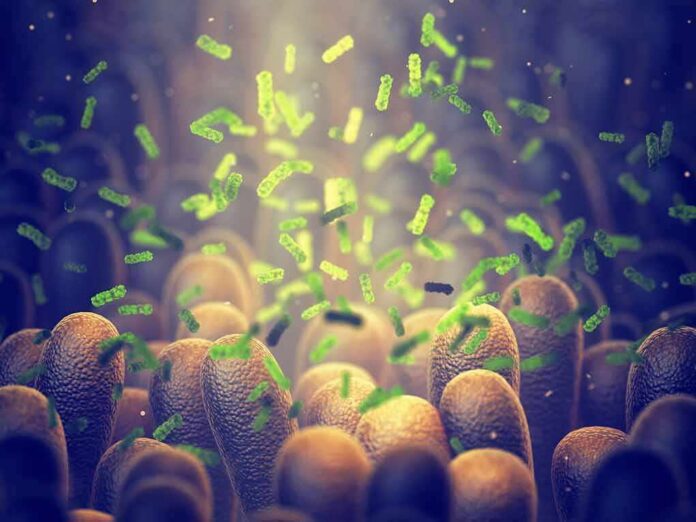
Researchers mapped gut communities across humans and apes and found a sharp human break. A landmark analysis reported that human gut microbiomes diverged faster than those of African apes because people lost ancestral microbial diversity. That is the headline shift: many lineages that lived in our ancestors are now rare or gone in people living with modern diets and medicine. This is not a fringe claim. Reviews now place industrialized humans at the low end of gut bacterial diversity across primates.
Broader surveys echo the pattern across lifestyles. Studies comparing urban, rural, and traditional populations show a clear slide in alpha diversity with industrialization. Urban groups tend to have the least diverse gut communities, and the differences do not vanish after adjusting for age and other factors. A recent synthesis ties this to more uniform, less resilient microbiomes as lifestyles converge worldwide. The big picture is simple: modern living narrows the range of gut life.
How Modern Living Pushes Microbes Out
Dietary fiber sits at the center. Low intake starves fiber-loving microbes, which then fade across generations. Animal work shows that feeding mice low-fiber diets over time drives a loss of taxa that do not rebound even when fiber returns, hinting at a point-of-no-return dynamic. Human studies and reporting link fiber declines to the loss of cellulose-degrading microbes and broader diversity drops. Food processing, sweeteners, and simplified menus likely compound the squeeze.
Medicine and hygiene save lives but also shift exposure. Antibiotics wipe out bystanders along with bad bugs. Cesarean births change first exposures that set early gut life. Cleaner water and surfaces cut pathogen risk but also reduce contact with environmental microbes that once “seeded” infants and households. Research led by Stanford Medicine highlights that key milk-digesting bacteria in infants decline as nations industrialize, with diet and delivery factors in the mix. These gains and costs can be balanced, but ignoring the costs is not wise.
Why Diversity And Stability Matter
Diverse ecosystems handle stress better. The same logic applies in the gut. Analyses show that industrialization comes with homogenized microbiomes, fewer species, and lower stability, even when controlling for host differences. Less variety can mean fewer backup functions, like fiber fermentation, vitamin synthesis, and barrier support. That can tilt the immune system toward chronic alarm. Reviews connect these shifts to metabolic, inflammatory, and allergic disease trends seen in modern settings. The mechanism is complex, but the direction is consistent.
Personal responsibility and common sense fit here. Families can choose fiber-rich foods, simple ingredient lists, and prudent antibiotic use. Communities can support parks, soil contact, and time outdoors. Hospitals can lift breastfeeding support and track when cesarean delivery is truly needed. None of this rejects medicine or sanitation. It restores contact with the microbial partners we evolved with. That is a conservative stance: protect what works, fix what breaks, and avoid flashy fads.
What The Evidence Can And Cannot Tell Us
Comparative data carry the weight of the case. Cross-population and cross-species analyses point to a clear diversity gap in industrialized humans. Global datasets tie modern lifestyles to more uniform, less diverse, and less stable gut communities. Mechanistic threads implicate fiber deficits and multigenerational loss, with infant studies underscoring early-life stakes. These lines converge on a practical message: modern living pressures the microbiome, and many losses look hard to reverse.
Direct century-long human time series are rare, so scientists lean on comparisons, archaeology, and animal models to trace the slope. That does not weaken the urgent pattern; it sets the boundaries of what we claim. The path forward is action with humility. Track diversity as a vital sign. Restore fiber and whole foods. Use antibiotics when needed, not as a habit. Support normal birth and breastfeeding when safe. Rebuild the everyday ties with the living world that once fed our inner ecosystem.
Sources:
youtube.com, frontiersin.org, science.org, pmc.ncbi.nlm.nih.gov, repository.escholarship.umassmed.edu, pubmed.ncbi.nlm.nih.gov, sciencedaily.com