

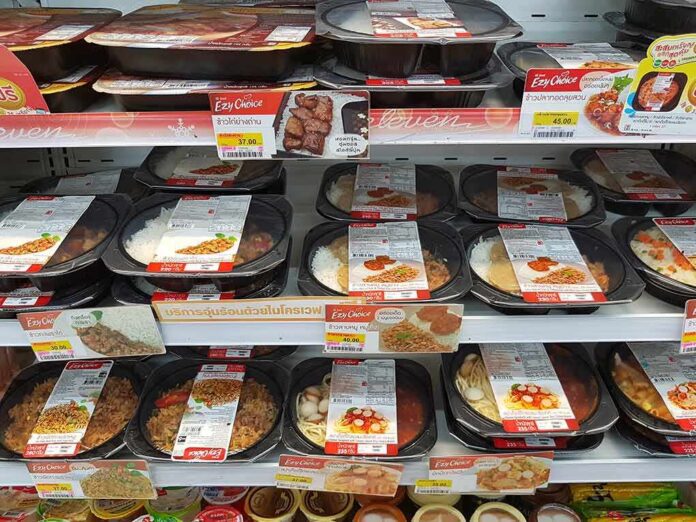
A new study of more than 112,000 adults found that people who eat the most preservative-packed foods face a 29% higher risk of high blood pressure and a 16% higher risk of heart disease.
Story Snapshot
- The NutriNet-Santé study tracked over 112,000 French adults and found eight preservatives tied to higher blood pressure risk.
- Highest consumers of non-antioxidant preservatives had a 29% greater hypertension risk and 16% greater cardiovascular disease risk.
- Ascorbic acid, better known as vitamin C when used as a food additive, stood out as the only one of the eight also linked to heart disease.
- The findings are observational, meaning they show a strong pattern but do not prove the preservatives directly cause the disease.
What The New Research Actually Found
Scientists behind the NutriNet-Santé study followed more than 112,000 adults in France, tracking what they ate and what health problems showed up later. Researchers recorded 5,544 new cases of hypertension and 2,450 new cases of cardiovascular disease during the follow-up period. People eating the most non-antioxidant preservatives had a 29% higher hypertension risk and a 16% higher cardiovascular disease risk than those eating the least.
The study, published in the European Heart Journal, also looked at antioxidant preservatives, the kind used to stop food from going stale or changing color. Those additives carried their own risk. People with the highest intake had a 22% higher chance of developing hypertension compared to those who ate the least. That’s a separate signal from the non-antioxidant group, suggesting more than one preservative pathway may matter here.
Eight Additives Under The Microscope
Researchers pinned the hypertension risk to eight specific additives: potassium sorbate, potassium metabisulfite, sodium nitrite, ascorbic acid, sodium ascorbate, sodium erythorbate, citric acid, and rosemary extracts. These show up constantly on ingredient labels, in everything from deli meat to canned soup to bottled salad dressing. Most shoppers walk past them without a second thought, which is exactly what makes this list worth reading twice.
Ascorbic acid earned special attention. It was the only one of the eight also tied to cardiovascular disease on its own, separate from the broader preservative category. That’s notable because ascorbic acid is simply vitamin C in its lab-made form, added to food to fight spoilage rather than swallowed as a supplement. The distinction between “vitamin C the nutrient” and “vitamin C the preservative” matters more than most people realize.
Why Correlation And Causation Still Matter Here
This is an observational study, meaning researchers watched what people ate and what happened to their health, rather than running a controlled experiment. No one was randomly assigned to eat more or less of these preservatives. That leaves open the door for other factors, like overall processed food intake, to explain part of the pattern. The researchers say they adjusted for ultra-processed food and processed meat consumption, and the associations held up.
Still, grouping additives into broad categories like “non-antioxidant preservatives” can blur differences between individual compounds. A hazard ratio for the whole class doesn’t tell you exactly how risky one specific ingredient is on its own. The European Society of Cardiology, whose press release echoed the same numbers, framed this as a call for more targeted research rather than a final verdict.
What Comes Next For Consumers And Regulators
Nearly all study participants, 99.5%, consumed at least one food preservative within the first two years of the study period, which shows just how unavoidable these additives have become in the modern food supply. That scale is part of why researchers are pushing for full publication of the underlying data tables, so scientists elsewhere can check the math and test the findings in other populations.
A study of 112,000+ adults found 8 common food preservatives, including sodium nitrite and potassium sorbate, linked to higher blood pressure risk, with one, ascorbic acid, tied to heart disease. It can't prove causation, but it's a reason to favor fresh foods. 🍞 pic.twitter.com/Bo6rHS6Uju
— Bio DNA (@biodnaa) September 20, 2026
Until independent labs replicate these results and run controlled feeding trials on the named additives, the practical takeaway is straightforward: read labels, and know that “natural” preservatives are not automatically risk-free. Cutting back on heavily processed and preserved foods remains a reasonable, low-cost step while researchers sort out exactly how much blame belongs to each individual ingredient.
Sources:
sciencedaily.com, escardio.org, powershealth.org