
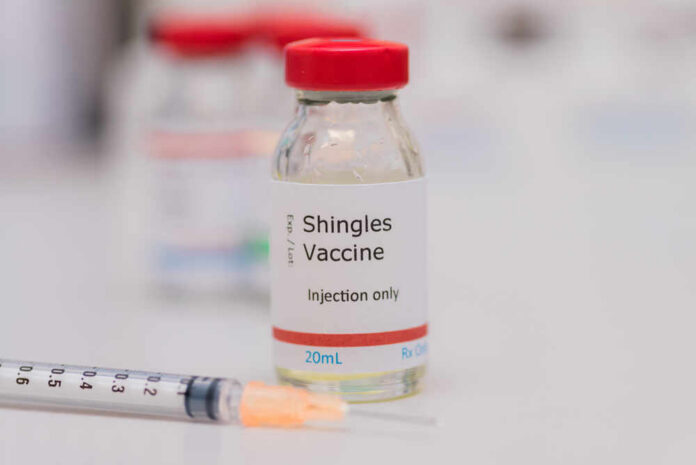
A routine shingles shot is now being tied to slower biological aging—yet the fine print shows why Washington shouldn’t turn promising science into another top-down mandate.
Quick Take
- A USC-led analysis of national data found shingles vaccination was associated with lower inflammation and slower “molecular aging” markers in adults 70+.
- The work used 2016 Health and Retirement Study blood samples and tracked links that appeared to last years after vaccination.
- The strongest associations showed up in inflammation plus epigenetic and transcriptomic aging measures; cardiovascular and neurodegeneration domains did not show clear links.
- Researchers emphasized the study is observational, so it cannot prove the vaccine caused slower aging—and it primarily reflects the older Zostavax era, not Shingrix.
What the Study Found—and What It Didn’t
Researchers at the USC Leonard Davis School of Gerontology analyzed biomarkers from more than 3,800 U.S. adults ages 70 and up who participated in the Health and Retirement Study, focusing on blood samples collected around 2016. The team reported that people who had received a shingles vaccine showed lower inflammation and slower biological aging signals across multiple measures, even after accounting for common health and demographic differences between groups.
The analysis was unusually broad for an “aging” claim because it looked across several biological domains, including inflammation, measures tied to innate and adaptive immunity, and molecular aging clocks derived from epigenetics and gene-expression patterns. The reported associations were strongest in inflammation and in epigenetic and transcriptomic indicators. By contrast, the researchers did not find clear associations in cardiovascular hemodynamics or neurodegeneration-related domains, which keeps the headline from becoming a sweeping “anti-aging” conclusion.
Why Conservatives Should Care: A Practical Health Win Without a New Bureaucracy
Shingles is a painful condition caused by reactivation of the varicella-zoster virus after chickenpox, and it is common enough that risk messaging resonates with most families: many Americans either have had shingles or know someone who has. The near-term public-health takeaway is straightforward—vaccination already helps prevent shingles, and this study adds another potential benefit that could motivate seniors to talk with their doctors, without any new federal program.
The “aging” angle centers on inflammaging, a chronic, low-level inflammatory state linked in scientific literature to many age-related declines. The USC team’s results support the idea that vaccination may influence immune function in a way that corresponds with reduced inflammatory burden and slower shifts in molecular aging markers. Some researchers frame this as a form of immune “reprogramming” or trained immunity. That’s intriguing science, but it still sits well within a personal-choice framework: informed patients, individualized risk-benefit discussions, and outcomes that can be measured.
The Caution Flags: Observational Data, Zostavax, and the Limits of “Healthspan” Headlines
The most important limitation is causality. Because the work is observational, it cannot fully separate the effect of vaccination from the reality that vaccinated people may differ in meaningful ways—doctor access, baseline health, medication adherence, or other behaviors—even when researchers apply statistical controls. The authors themselves called for more longitudinal and experimental replication, which is the right next step before politicians, agencies, or corporate media turn correlation into certainty.
Another practical issue is that the study largely reflects the older Zostavax vaccine era, while today’s standard in the U.S. is Shingrix, introduced later with higher effectiveness against shingles. That means the “which shot, which schedule, which population” questions remain open. The findings also appeared strongest in the first few years after vaccination for some molecular outcomes, while other associations persisted longer, underscoring why careful follow-up matters before anyone sells this as a guaranteed long-term age-slowing intervention.
What Happens Next: Verify, Replicate, and Keep the Decision Where It Belongs
If future trials confirm a causal link, the upside could be significant: a relatively common preventive step that not only reduces shingles cases but may also reduce inflammatory load and improve healthspan in older adults. Even so, the responsible path is medical transparency, not hype—clear communication about benefits, known risks, and what remains uncertain. Seniors deserve facts they can use, not another round of fear-driven messaging or one-size-fits-all pressure campaigns.
For now, the study is best read as promising but preliminary evidence that immune-targeted prevention may have broader payoffs. That’s a constructive reminder in an era when too many “expert” institutions burned public trust by overselling certainty. The policy lesson is equally clear: focus on honest science, protect informed consent, and resist the reflex to centralize personal medical decisions—especially when the data itself says more research is still needed.
Sources:
Shingles vaccine slower biological aging
Shingles vaccine may slow biological aging in older adults
Shingles vaccination linked to slower biological aging in older adults
Shingles vaccine may slow biological aging, new study suggests
Shingles vaccine appears to slow aging in seniors, study finds
Shingles vaccination may promote healthy aging