

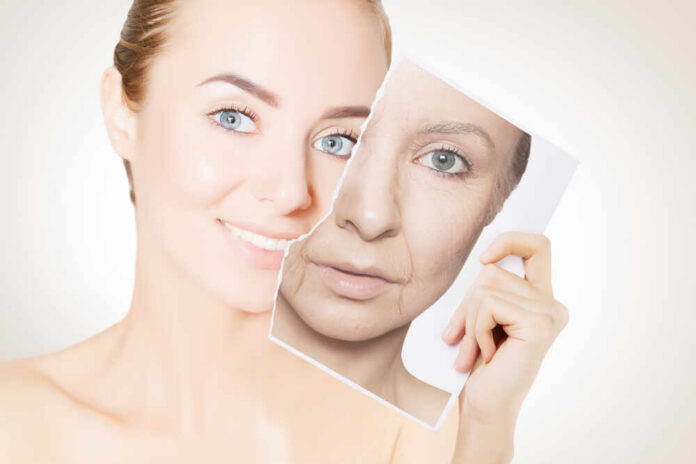
Skin aging is starting to look less like destiny and more like a repairable mechanical problem.
Story Snapshot
- Four distinct strategies now show measurable skin “rejuvenation” signals: senescent-cell clearing, partial cellular reprogramming, mRNA delivery, and targeted peptides.
- Researchers have reported functional improvements tied to these approaches, including faster wound closure and increased collagen-related activity in lab and animal models.
- The therapies sit at very different maturity levels, from consumer-facing peptide products to early translational wound-care drug work to preclinical gene-delivery platforms.
- Mainstream coverage lags because most results remain pre-Phase-3, the biology is hard to explain in headlines, and anti-aging hype burned public trust for decades.
The Big Shift: Skin Rejuvenation Is Becoming a Toolbox, Not a Miracle Cream
Boston, Cambridge, and Harvard labs aren’t chasing vanity; they’re chasing function. The most compelling thread across recent skin regeneration breakthroughs is not “looking younger,” but acting younger: closing wounds faster, rebuilding collagen more effectively, and dialing down the toxic cellular clutter that accumulates with age. Independent teams have reached similar endpoints through different routes, which raises a provocative possibility: aging skin may be reversible in layers, not with one silver bullet.
That point matters to anyone over 40 because skin is more than a mirror. It is a front-line organ that manages barriers, infection risk, inflammation, and healing speed after surgeries, scrapes, and chronic conditions. The open loop most people miss: when you can measure biological age in skin cells and then push it backward in controlled experiments, you’re no longer debating philosophy. You’re debating timelines, safety, and who gets access first.
Clearing the “Zombie Cells”: Senolytics and Why Wounds Become a Test of Truth
Senescent cells behave like retired employees who still show up, block the hallway, and complain loudly. They stop dividing, but they keep pumping out inflammatory signals that can disrupt normal repair. A key report on the drug ABT-263 describes topical use in aged mouse skin that improved wound healing compared with controls, positioning wound closure as the real-world scoreboard. Wounds don’t care about marketing; they either close or they don’t.
Senolytics have a credible logic because they target a widely discussed mechanism of aging—cellular senescence—rather than vague “detox.” The catch is obvious and not ideological: killing cells can carry risks, and systemic use raises different safety questions than topical use. The practical promise is localized treatment that avoids whole-body side effects.
Rewinding Cells Without Wiping Their Memory: Partial Reprogramming in Plain English
Full cellular reprogramming can turn adult cells into a blank-slate state, which is powerful but dangerous if misapplied. The more interesting advance is partial, temporary reprogramming designed to roll back aging markers while keeping the cell’s identity intact. Work publicized by the Babraham Institute describes a method that reversed molecular signs of aging in skin cells by roughly three decades, paired with functional improvements such as better movement into wound areas and increased collagen-related behavior.
This is the part that should make a skeptical reader pause. If you can coax an older skin fibroblast to behave more like its younger self, you’re looking at regeneration as software, not just hardware. The unresolved question is also the most important: control. Turning the knobs too far could cause unwanted growth or loss of normal regulation. Responsible development demands guardrails, repeatability, and human trial evidence, not breathless headlines.
GeneSkin and the Post-Vaccine Era: mRNA Delivered by Microneedles
mRNA technology proved it can deliver instructions into cells at scale, and researchers have started adapting that idea to skin. Harvard’s Wyss Institute describes a GeneSkin platform aimed at skin and hair rejuvenation using mRNA delivered through microneedles, with preclinical work focused on aging markers, collagen-related outcomes, and scar healing signals. The strategic advantage is delivery: microneedles target the skin locally, which can reduce systemic exposure.
The political and cultural lesson from recent years is blunt: Americans don’t want hand-waving about “trusting the science.” They want transparent data, clear risk tradeoffs, and accountability. mRNA-based skin therapies will face the same demand. The upside is also clear: skin is accessible, measurable, and easy to monitor for response. If any tissue can become the proving ground for safe gene-instruction therapies, skin is a logical candidate.
Peptides and the Consumer Pipeline: The Temptation and the Opportunity
OneSkin’s OS-01 peptide sits closer to the consumer world and claims published research showing reductions in biological aging markers and senescence burden in human skin models. That puts peptides in a different lane: potentially less invasive, more scalable, and faster to distribute.
Still, dismissing peptide work just because it shows up near skincare shelves is lazy. The better question is whether the research is peer-reviewed, reproducible, and honest about limits. Peptides may end up as maintenance tools—modest but meaningful—while more aggressive interventions handle serious wound repair or severe age-related dysfunction. The field is starting to resemble dentistry: daily care, periodic procedures, and specialized surgery when needed.
Why You’re Not Hearing About This: Regulation, Incentives, and the Media’s Attention Deficit
Most of these advances remain preclinical or early translational work, and major outlets typically wait for late-stage human trials. That caution is rational, but it creates an information gap that gets filled by influencers selling shortcuts. Another friction point is incentive structure: academic labs publish carefully; companies communicate strategically; regulators move deliberately; patients often hear last. The missing bridge is practical literacy—explaining what “reversing biological age markers” does and doesn’t mean.
The Real Stakes: Wound Care, Chronic Disease, and Who Benefits First
Skin regeneration is a gateway issue for bigger debates about aging across tissues. If senescent-cell clearing, partial reprogramming, mRNA delivery, and peptides can each restore some youthful function in skin, the next fight becomes broader: cost, access, and medical prioritization. A conservative lens favors solutions that reduce hospitalization, complications, and dependency—especially in wound care—while resisting a two-tier system where only the wealthy can “buy back” health.
Expect the first widely accepted wins to come from outcomes nobody can fake: faster healing after surgery, fewer chronic ulcers, better scar recovery, and reduced infection risk. Cosmetic improvements may arrive too, but they’re the side effect, not the headline. The open loop that will define the next decade is simple: can these technologies prove durable safety in humans, or will they stall as impressive lab feats? The answer will change medicine’s relationship with aging.
Sources:
Breakthrough Drug Reverses Aging in Skin, Speeds Up Healing
GeneSkin: A Novel mRNA Therapy for Skin and Hair Rejuvenation
Regenskin Cellular Regeneration
Turn Back the Clock 30 Years: The Cambridge Skin Cell Breakthrough
New technique rewinds age of skin cells by 30 years
Scientific breakthrough: OneSkin’s scientists show that it’s possible to reverse aging in human skin
Scientists Identify How “Young Blood” Reverses Aging in Human Skin Cells