

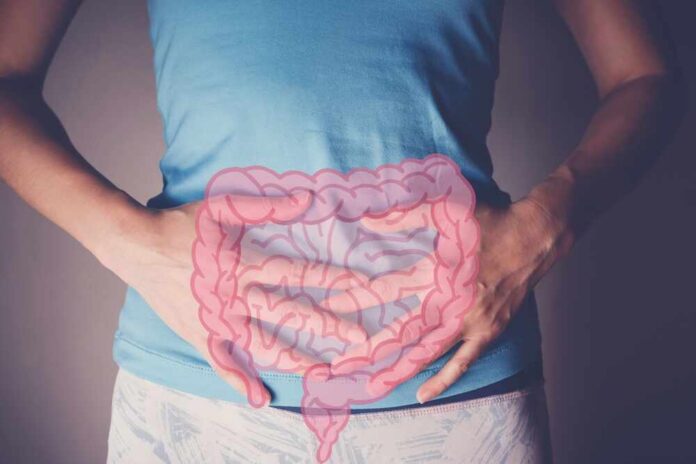
The water you drink daily shapes your gut bacteria more profoundly than most people realize.
Quick Take
- Well water and higher plain water intake correlate with greater gut bacterial diversity in large human studies, but causation remains unproven.
- Chlorinated tap water reduces microbial diversity in animal models, yet chlorination prevents deadly pathogens—creating a genuine public health trade-off.
- Water source ranks among major factors shaping microbiota variation, rivaling diet in importance but receiving far less attention from health researchers.
Water as a Microbial Vector
Your water carries microorganisms. Unprocessed well water retains natural bacteria that processed tap water lacks. Tap water harbors core microbes like Sphingomonas and Bradyrhizobium—organisms detected in human fecal samples. This suggests water bacteria colonize your gut, shifting its composition. Well water drinkers showed reduced populations of pro-inflammatory Bacteroides while favoring genera like Dorea. The shift matters for inflammation markers, though long-term health outcomes remain under-researched in humans.
The Chlorination Paradox
Chlorine kills pathogens. It also kills beneficial microbes. A 2024 University of Arizona mouse study demonstrated that chlorinated tap water reduces bacterial diversity and alters composition compared to non-chlorinated water. Yet chlorination saves lives, particularly in low-income regions where waterborne diseases kill thousands annually. A Tufts study found chlorinated water did not harm microbiota development in children. The trade-off is real: safety versus microbial optimization.
What Researchers Actually Know
Water source ranks among the major factors influencing microbiota variation, comparable to diet in importance. The American Gut Project identified water type as significant across diverse populations. Dr. Ruth Bowyer of TwinsUK emphasized that water effects remain underappreciated relative to dietary interventions. Associations exist between well water and diversity metrics, yet causation remains unproven. Confounding variables—rural versus urban lifestyles, dietary patterns, socioeconomic status—complicate attribution.
The Missing Human Evidence
No randomized controlled trials in humans have tested whether switching water sources increases beneficial bacteria or improves health outcomes. Mouse studies provide mechanistic insights but don’t translate directly to human physiology. Researchers explicitly call for human trials examining chlorination’s long-term effects.
The water you drink matters. Well water drinkers do show measurable microbiota differences. But the sensational headline obscures scientific uncertainty. If you drink well water and maintain good health, correlation doesn’t prove your bacteria count increased by a specific number. If you drink chlorinated tap water, you’re protected from pathogens at a cost to microbial diversity. The honest takeaway: water source influences your microbiota. Real health optimization requires patience for rigorous human research, not faith in viral health hacks.
Sources:
Water Source and Gut Microbiota Diversity in US and UK Populations – American Gut Project Analysis
Core Tap Water Microbiota Across Distribution Systems and Detection in Human Fecal Samples
Is Water the Forgotten Nutrient for Your Gut Microbiota? – Gut Microbiota for Health
Drinking Chlorinated Tap Water May Alter Gut Bacterial Composition – University of Arizona
What Does Tap Water Mean for Our Gut Bacteria? Dr. Ruth Bowyer Explains – TwinsUK
Drinking Water Source: Life and Microorganisms – Biocodex Microbiota Institute
Drinking Chlorinated Water in Low-Income Countries Passes Microbiome Test – Tufts University