

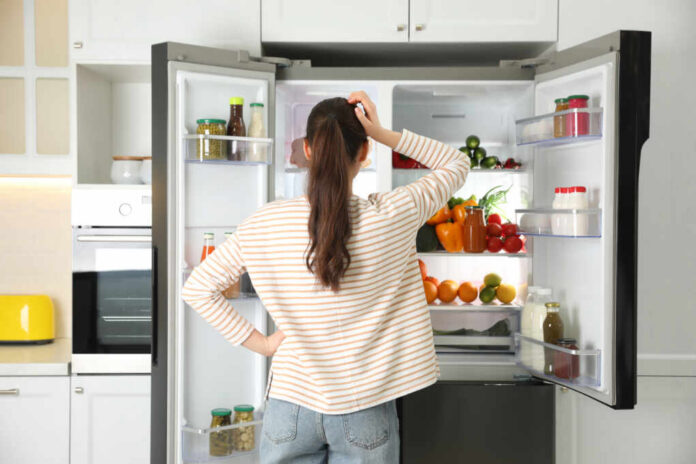
The fastest way to eat like a responsible adult isn’t willpower—it’s what you can grab in 30 seconds when your brain is done for the day.
Story Snapshot
- A dietitian’s “fridge MVPs” lean hard into low-prep, high-protein building blocks that shorten the distance between hungry and fed.
- Greek yogurt does triple duty: breakfast, snack, and sauce base—without dirtying a skillet.
- Refrigerated dough and biscuits function as an emergency carb “delivery system” for proteins and veggies when time is tight.
- Dips and spreads turn raw produce and leftovers into a meal people actually want to eat.
- Juice shows up as a flavor tool—marinades, dressings, smoothies—not just a breakfast sidekick.
Why “Fridge Staples” Became a Modern Survival Skill
Easy Home Meals published a dietitian’s short list of four fridge items for quick, balanced meals, and the list lands because it targets the real enemy: decision fatigue. After work, after errands, after caring for everybody else, most people don’t fail at nutrition—they fail at logistics. The fridge becomes a runway: either it launches a decent meal fast, or it pushes you toward costly takeout and random snacking.
The backstory matters. Post-war “balanced meals” messaging evolved into 1980s and 1990s convenience guidance as dual-income households became normal. Then COVID-era quarantine planning turned stocking advice into a full-blown genre: keep enough core foods around to reduce store trips and keep meals predictable. The 2025 spin is simpler and more honest: keep a few versatile, ready-to-use items that make good choices the default.
Greek Yogurt: The Quiet Workhorse That Buys You Time
Greek yogurt earns top billing because it solves multiple problems at once. Protein helps with satiety, so you’re not prowling the pantry an hour later. Its neutral tang also makes it a kitchen wildcard: blend it into smoothies, spoon it onto fruit, or thin it into a quick dressing. For adults watching sugar, plain yogurt lets you control sweetness, instead of accepting whatever a flavored cup decides.
This is the kind of “processed” food that still behaves like food. Nobody needs a lecture about probiotics to see the point: yogurt sits ready, portionable, and adaptable. One tub can cover breakfast, a midday snack, and a sauce for dinner without buying three separate specialty products.
Refrigerated Dough and Biscuits: Convenience With a Catch
Refrigerated dough and biscuits sound like an odd dietitian pick until you view them as time insurance. They can become a fast breakfast base, a side that makes a lean protein feel like a meal, or a shortcut to kid-friendly cooking that keeps you home instead of in a drive-thru line. When the alternative is skipping dinner or ordering out, this “shortcut carb” can be the better choice.
The catch is portion discipline and frequency. Dough is calorie-dense and easy to overdo, so it works best as a tool, not a lifestyle. Pair it with protein and produce—eggs and spinach in a biscuit sandwich, or chicken and salad with a roll—so it supports a balanced plate instead of replacing it. People don’t need perfection; they need a repeatable plan that survives busy weeks.
Dips and Spreads: The Trick for People Who “Don’t Feel Like Cooking”
Dips and spreads—hummus, guacamole, or even plant-based cheese spreads—operate like edible motivation. They make raw vegetables feel less like punishment and more like an appetizer. They also patch up leftovers: yesterday’s chicken turns into a wrap, a quick lunch bowl, or a snack plate with crackers. The nutrition win isn’t magical ingredients; it’s that you actually eat the decent food you already bought.
For households juggling different preferences, dips reduce friction. One person grabs peppers and hummus, another makes a turkey wrap with a spread, and nobody needs a separate meal. That’s a realistic, family-centered approach: lower conflict, fewer skipped meals, and less money burned on impulse purchases. “Balanced” starts looking less like a rulebook and more like a system that makes the right choice easier than the wrong one.
Juice as a Culinary Ingredient, Not a Sugar Habit
Juice shows up on the list in a way that surprises people who grew up hearing “juice is basically soda.” The dietitian’s angle treats juice as an ingredient: orange juice in marinades, dressings, and smoothies, where it adds acidity, aroma, and vitamin C. Used this way, juice becomes a flavor lever that helps you cook at home more often—a practical health strategy with an economic upside.
A big glass of juice can add sugar quickly, so the conservative, grown-up move is to treat it like you would barbecue sauce: useful, flavorful, and best measured. A splash can brighten a vinaigrette or soften a marinade without turning breakfast into dessert. The goal isn’t to crown juice a health food; it’s to make home meals easier to pull off consistently.
The Hidden Theme: Protein First, Then Build the Plate
Across dietitian lists—from fitness-oriented fridge rundowns to plant-forward “must-haves”—one thread stays constant: start with a dependable protein, then add fiber-rich plants, then add a satisfying carb or fat. The Easy Home Meals list expresses that idea through convenience items: yogurt as protein, dips to boost plant intake, dough for quick structure, juice for flavor. It’s not glamorous; it’s operational.
The only real controversy is philosophical. Whole-food purists will argue against processed convenience, while busy families will argue for anything that keeps them out of the fast-food lane on a Tuesday night. The facts support a middle path: prioritize foods that reduce waste and increase home cooking. If a refrigerated shortcut helps you assemble a real dinner, it beats the alternative that drains wallets and health.
The best takeaway for anyone over 40 is blunt: your future eating habits are sitting in your fridge right now. If it’s stocked with a few multi-use staples, you don’t need constant discipline—you need a plan that works when you’re tired. The “dietitian fridge” isn’t about trendy rules. It’s about reducing decisions, shortening prep, and making balanced meals the path of least resistance.
Sources:
4 Things This Dietitian Keeps in Her Fridge for Quick, Balanced Meals
Healthy Foods to Keep in Fridge
22 Healthy Foods to Stock in Your Fridge
Dietitian Pantry Staples for a Healthy Kitchen
A Dietitian’s Grocery List: Staples for a Healthy Kitchen
A Dietitian’s Guide to Stocking Your Pantry and Fridge for Quarantine
10 Foods to Always Keep in Your Fridge
EP 42: What food will a dietitian always have in their pantry?