

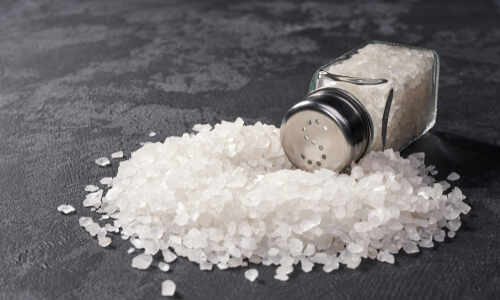
One small table habit revealed a bigger truth: among older Brazilians, saltshakers still matter, and men and women do not reach for them for the same reasons.
Quick Take
- The study surveyed more than 8,300 Brazilians age 60 and older and found that adding salt at the table was common enough to matter, not a rare edge case.[3][5]
- Men reported the habit more often than women, with prevalence of 12.7% versus 9.4%.[3][5]
- Among men, the strongest links were not following a high-blood-pressure diet and living alone; among women, the pattern tracked more closely with fruit, vegetable, and ultra-processed food intake.[3][5]
- The result is important because Brazil already knows discretionary salt is a major sodium source, so this habit can shape public-health strategy.[1][4]
The Habit Behind the Headline
The study’s surprise is not that older adults use salt; it is that table-salt use remained common enough to show a clear social pattern. Researchers working with survey data from 2016 and 2017 reported that older adults in Brazil still add salt after food is prepared, and that men do so more often than women.[3][5] That detail sounds modest until you remember how routine habits can quietly shape daily sodium exposure.
The numbers give the story its punch. According to the study summaries, 12.7% of men and 9.4% of women said they added salt at the table.[3][5] That gap is not just a statistical curiosity; it suggests that salt use is tied to everyday behavior, household context, and diet choices. In other words, the saltshaker is not simply a condiment here. It is a marker of how people eat, live, and manage food.
Why Men and Women Differed
The men’s pattern was sparse but revealing. Men who were not following a diet for high blood pressure were more likely to add salt, and men living alone were 62% more likely to do so than those living with others.[3][5] That points to something practical and unsentimental: fewer meal routines, fewer shared meals, and less structure can mean more discretionary salting. The habit may travel with convenience, solitude, and a weaker sense of dietary discipline.
Women’s pattern looked broader and more diet-linked. Women who did not eat fruit had 81% higher odds of adding salt, women who did not eat vegetables had 40% higher odds, and women with a higher share of ultra-processed foods had more than twice the odds.[3][5] That does not prove cause and effect, but it does suggest a more layered relationship between salt use and overall food quality. The saltshaker appears to sit inside a larger dietary ecosystem.
Why This Matters Beyond One Survey
Brazil has good reason to care about discretionary salt. One population study found that discretionary salt and seasoned salt were the most important sources of salt intake, accounting for 68.2%, and that intake exceeded World Health Organization recommendations.[1] Another analysis found higher salt intake was associated with male sex and other unhealthy characteristics, reinforcing the idea that sodium risk often travels with broader lifestyle patterns.[2] This is why a table habit can become a policy issue.
The public-health case grows stronger when you zoom out further. A Brazilian burden-of-disease study reported that excessive sodium consumption was the third highest dietary risk contributing to deaths and disability-adjusted life years in 2019, with cardiovascular disease as the main contributor.[4] That does not mean every person who salts food is headed for trouble. It does mean the national stakes are real, and even a small habit can matter when multiplied across millions of meals.
What the Study Can and Cannot Prove
The limitation is just as important as the result. The behavior was self-reported, so recall bias and social desirability bias could affect the numbers.[3][5] The design was cross-sectional, which means it can show association but not causation.[3][4] It cannot tell us whether poor diet encourages table-salt use, whether salt use reflects a taste for stronger flavors, or whether both stem from the same underlying routine. That restraint matters because headlines often outrun evidence.
Even so, the finding has a plainspoken lesson that does not need exaggeration. A saltshaker on the table is not just a kitchen object; it can signal habits, household structure, and the quality of the rest of the plate. For older adults, especially in a country where discretionary salt already drives a large share of intake, the most effective message may not be “eat less salt” in the abstract. It may be: watch the habit that sneaks in after the food is served.
Sources:
[1] Web – A study of 8,300 older adults revealed a surprising salt habit
[2] Web – Dietary sources of salt intake in adults and older people – PMC
[3] Web – [PDF] Factors associated with salt intake in the Brazilian adult …
[4] Web – The habit of adding salt to food at the table and its association with …
[5] Web – Health impacts caused by excessive sodium consumption in Brazil