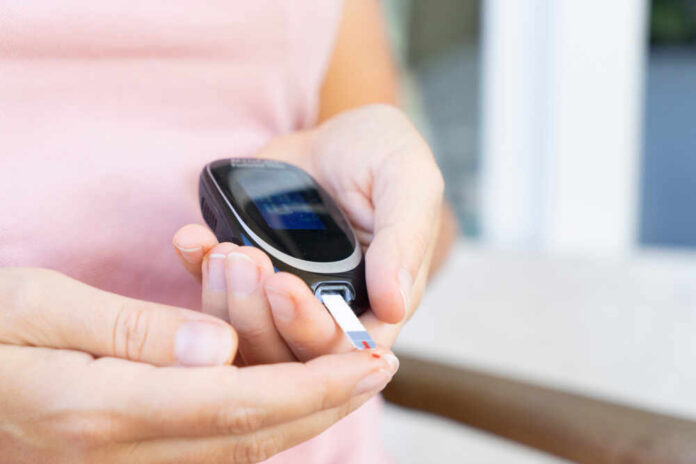
Defective glucose sensors meant for the scrapyard were stolen, resold to unsuspecting diabetics, and some carried a risk of skin infection — and the Food and Drug Administration (FDA) wants anyone who bought them to stop using them immediately.
Story Snapshot
- Dexcom identified two specific lots of G7 continuous glucose monitors that were stolen during the disposal process and sold through unauthorized channels.
- One lot may carry an increased risk of incomplete sterilization and possible skin infection; the other had elevated internal failure rates that could leave users with no glucose readings at all.
- The unauthorized seller linked to the stolen sensors is a company called Pharmsource LLC, operating outside Dexcom’s approved distribution network.
- No severe adverse events have been reported so far, but Dexcom is urging affected users to stop using the devices and contact the company for free replacements.
Defective Sensors Headed for Destruction Ended Up in Patients’ Arms Instead
Dexcom’s G7 is one of the most widely used continuous glucose monitors on the market, trusted by diabetics to deliver real-time blood sugar readings that can mean the difference between a routine day and a medical emergency. That trust makes what happened next particularly alarming. Two lots of G7 sensors — lot numbers 1725204004 and 1725069002 — were pulled from production, flagged as scrap, and designated for destruction. Someone stole them before the shredder got there.
Dexcom uncovered the theft through its own ongoing quality and accounting reviews, which is actually a point in the company’s favor. This wasn’t a whistleblower tip or a patient complaint that cracked the case open. Internal controls caught it. The stolen sensors were traced to Pharmsource LLC, an unauthorized seller operating outside Dexcom’s approved distribution network. Dexcom has pledged to hold those responsible accountable, and given the FDA’s direct involvement, that accountability could carry serious legal weight. [5]
What Makes These Two Lots Genuinely Dangerous
The risks attached to each lot are distinct and worth understanding separately. Lot 1725204004 is the more alarming of the two. Dexcom warned that sensors from this batch may carry an increased risk of incomplete sterilization, which translates directly to a possible skin infection risk for anyone who applied one. [3] A continuous glucose monitor is a wearable device that penetrates the skin. Sterility is not optional — it is foundational. A sensor that failed that standard in quality testing has no business being inserted into anyone’s arm.
Lot 1725069002 presents a different but equally serious problem. This batch showed elevated internal failure rates during testing, meaning sensors could simply stop working and deliver no glucose readings. [2] For a person managing insulin dosing around real-time data, a sensor that silently fails is not just inconvenient — it is dangerous. A diabetic making medication decisions based on a dead sensor is flying blind at exactly the moment they need accurate information most.
This Is a Supply Chain Crime, Not Just a Product Defect Story
It would be easy to frame this as a standard product recall, but that framing undersells what actually happened. This is a medical device diversion case. Scrap product that should have been destroyed was instead stolen and funneled into the secondary market, where patients purchased it believing it was legitimate. The FDA issued a formal safety alert, and Dexcom issued an urgent medical device correction notification to affected parties beginning May 12, 2025. [4] The machinery of regulation moved, but only after the theft already put compromised devices into real patients’ hands.
$DXCM
Dexcom warns of stolen glucose monitors being sold by unauthorized dealers-Dexcom warned that some lots of its G7 wearable glucose monitors were stolen on their way to the scrapyard and were sold by a third-party vendor.
https://t.co/RjyPdadDCR— stock setter (@MarcJacksonLA) May 28, 2026
The secondary market for medical devices is a genuine and underappreciated vulnerability in American healthcare. Patients hunting for lower prices, or simply buying from unfamiliar online sellers, have no reliable way to verify that a device came through a legitimate supply chain. Pharmsource LLC was not a shadowy dark-web operation — it was accessible enough that real customers found it and bought from it. That is the part of this story that should make every consumer of medical devices uncomfortable. The FDA warning is necessary, but it is also a reminder that the warning only exists because the theft already succeeded. [6]
What Affected Users Need to Do Right Now
Anyone using a Dexcom G7 sensor should check the lot number printed on the packaging immediately. If the lot number matches 1725204004 or 1725069002, Dexcom’s guidance is unambiguous: stop using the device and contact Dexcom directly to request a free replacement. [5] The company has committed to replacing affected units at no cost. No severe adverse events have been publicly linked to these lots yet, [3] but the infection risk from an improperly sterilized wearable sensor is not a theoretical concern — it is a documented failure mode that earned these sensors a one-way ticket to the scrapyard in the first place. Do not wait for symptoms to confirm what the lot number already tells you.
Sources:
[2] Web – Dexcom warns stolen G7 sensors were resold after failing quality …
[3] Web – Dexcom warns of scrapped glucose sensors being resold
[4] Web – Scrapped CGM sensors stolen, sold to patients—Dexcom pledges to …
[5] Web – Class 1 Device Recall Dexcom G7 Glucose Receiver
[6] Web – Dexcom discovers two lots of stolen G7 sensors being sold to the …