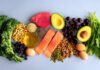


The same tart cherry and salmon that tame your aching joints are not secretly stealing your hard‑earned biceps.
Story Snapshot
- The internet fear that anti-inflammatory foods “kill gains” confuses drug-level suppression with normal eating.
- Most evidence against inflammation-blocking comes from high-dose antioxidant supplements, not berries and olive oil.[1]
- Whole-food anti-inflammatory diets are linked to better muscle recovery, function, and long-term health.[1][5][7]
- The real threat to your training is chronic junk-food inflammation, not a salad next to your steak.[5][6]
How the “anti-inflammatory foods kill gains” myth took off
Gym lore loves a villain, and inflammation became the unlikely hero that no one wants to protect. Some lifters hear that acute inflammation after lifting is part of the muscle-growth signal, then leap to a sweeping rule: anything that lowers inflammation must cancel hypertrophy. A Nutrisense review even warns against high antioxidant intake immediately after hard training because it may blunt healthy exercise-induced free radicals.[1] That kernel of truth gets exaggerated into fear of blueberries and turmeric.
Coaches and bloggers then layer on dramatic headlines: “Stop icing, stop ibuprofen, and never touch tart cherry juice if you want gains.” The problem is category error. There is a world of difference between hammering your body with nonsteroidal anti-inflammatory drugs or megadose pills and simply eating a Mediterranean-style dinner. Medical centers like Cleveland Clinic and Johns Hopkins describe anti-inflammatory diets as patterns rich in fruits, vegetables, whole grains, nuts, and fatty fish for overall health, not muscle sabotage.[5][6][7]
What inflammation actually does for muscle growth
Heavy resistance training causes micro-damage to muscle fibers. That damage triggers a small, targeted inflammatory response, which recruits immune cells, activates satellite cells, and starts the remodeling process that ultimately builds bigger, stronger muscle. That acute process is short-lived and localized. Chronic inflammation, driven by processed food, excess sugar, and excess abdominal fat, is a completely different animal and is tied to diabetes, heart disease, and muscle loss with aging.[5][6][7]
Sports nutrition concerns about blunting adaptation come mostly from studies using large, isolated antioxidant supplements around exercise, not normal dietary intakes. Those trials sometimes show reduced oxidative-stress markers and slightly dampened training signals. However, they do not demonstrate that eating a bowl of berries, a piece of salmon, or a handful of walnuts in the context of a normal diet erases weeks of progress. That jump simply is not supported by the evidence referenced in public-facing guidance.[1][5][6]
What the evidence says about anti-inflammatory foods and muscle
Nutrisense explicitly notes that diets rich in anti-inflammatory foods are associated with greater muscle mass and better muscle function over time.[1] Breadless highlights clinical work where athletes consuming anti-inflammatory foods such as tart cherries, fatty fish, and leafy greens experienced better muscle recovery and less soreness, which practically helps them train harder and more consistently.[2][9] Marathon and hospital resources echo that tart cherry juice, watermelon, turmeric, ginger, and leafy greens reduce soreness and speed recovery.[2][3]
Harvard Health, Johns Hopkins, and Cleveland Clinic list tomatoes, leafy greens, nuts, fatty fish, berries, and olive oil as core anti-inflammatory foods and connect these patterns with lower risk of chronic disease and improved long-term function.[5][6][7] None of these institutions warn that these foods stunt muscle growth. In fact, by protecting joints, the heart, and metabolic health, they indirectly support better training quality into your 50s, 60s, and beyond. That aligns squarely with conservative common sense: protect the engine if you want the machine to keep working.
Where you should actually be cautious
The place to be skeptical is not your salad but your supplement cabinet. The mechanistic warning about antioxidants blunting exercise signals comes from pill-level doses surrounding workouts, not normal food.[1] There is a reasonable argument to avoid megadoses of vitamin C, vitamin E, or exotic antioxidant blends right before and after resistance training unless ordered by a physician. That caution mirrors long-standing concern about frequent anti-inflammatory drug use for training pain rather than intelligent, food-based recovery.
What I ate for six weeks on an anti-inflammatory diet (alternate title: how I also became a rock star at getting 30 to 40 grams of fiber a day 🎉😉).
Comment LINK for all the recipes, plus tons of tips, the ready-to-heat (and eat) foods that saved me,… pic.twitter.com/a0JVZwbVqJ
— Mel Gunnell | Tried-and-True Recipes (@melskitchen9lsf) June 4, 2026
Chronic inflammation from processed meat, fried foods, refined carbs, and sugary drinks is strongly tied to disease and poorer function.[5][6][7] Johns Hopkins and Cleveland Clinic both emphasize cutting those pro-inflammatory foods while increasing whole, minimally processed options.[6][7] From a conservative perspective that values self-reliance and personal responsibility, this is straightforward: do not blame blueberries for lost gains while eating like a teenager and sleeping five hours a night.
How to eat for both muscle and low inflammation
A lifter over 40 who wants strength, leanness, and longevity can safely build plates around lean protein, colorful vegetables, fruit, whole grains, nuts, seeds, and healthy oils such as extra-virgin olive oil.[5][6][7] Add fatty fish such as salmon or mackerel several times per week for omega-3 fats, which multiple sources cite as powerful inflammation fighters that also support overall health.[2][6][9] Time higher-fiber meals away from heavy training if gut comfort is an issue, but keep them in the daily mix.
Post-workout, simple but not ultra-processed carbohydrates plus quality protein work well, and adding berries or tart cherry juice appears more likely to aid soreness reduction than to blunt hypertrophy.[2][3][9] The principle is simple: avoid extreme, pill-based attempts to micromanage biology; build a consistent, whole-food pattern. Let acute exercise inflammation do its short job, while your everyday diet quietly dismantles the chronic inflammation that truly threatens your strength, independence, and lifespan.
Sources:
[1] Web – Do Anti-Inflammatory Foods Wreck Workout Gains?
[2] Web – Is Inflammation Good for Muscle Growth? Acute vs. Chronic
[3] Web – The Best Anti-Inflammatory Foods for Athletes – Movement Therapy EP
[5] Web – An Anti-Inflammatory Diet: What to Eat & Why It Matters – NASM …
[6] Web – Should You Follow an Anti-Inflammatory Diet?
[7] Web – Foods that fight inflammation – Harvard Health
[9] Web – The effect of an anti-inflammatory diet on chronic pain: a pilot study