

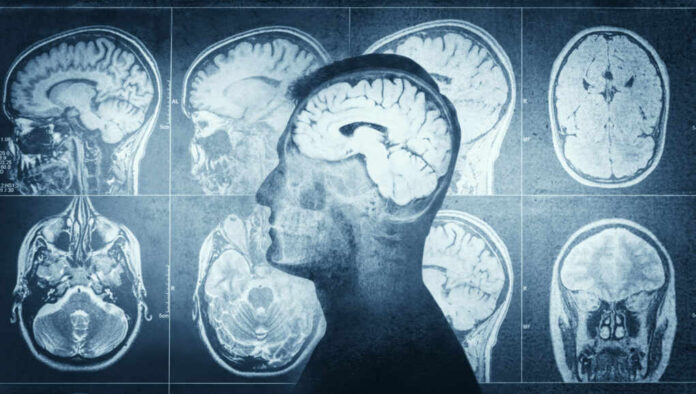
A naturally occurring molecule in your body that declines as you age might hold the key to preserving your memory and fighting the cognitive devastation of Alzheimer’s disease.
Story Snapshot
- Researchers at National University of Singapore discovered that calcium alpha-ketoglutarate (CaAKG) restores critical memory processes damaged by Alzheimer’s disease
- The compound works by repairing synaptic plasticity, boosting neuronal cleanup, and enhancing long-term potentiation essential for learning and memory
- Unlike traditional Alzheimer’s drugs targeting symptoms, CaAKG addresses aging biology itself, offering a preventative approach before severe damage occurs
- The molecule is already available as a supplement, presenting an accessible intervention while researchers pursue human trials
- This discovery represents a paradigm shift from disease-specific treatments to geroprotection strategies that could extend healthspan by years
The Molecule Your Brain Loses With Every Birthday
Calcium alpha-ketoglutarate exists naturally in your body as a metabolite in the Krebs cycle, the cellular powerhouse that generates energy. As you age, levels of this compound steadily decline, correlating with the cognitive slippage many accept as inevitable. Professor Brian K. Kennedy and Dr. Sheeja Navakkode at the National University of Singapore challenged that inevitability. Their January 2026 study, published in Aging Cell, demonstrated that CaAKG does more than slow decline. It actively restores memory functions compromised in Alzheimer’s models, repairing the synaptic connections where learning and memory physically happen in the brain.
How CaAKG Rewires Failing Neural Circuits
The Singapore team identified three distinct mechanisms through which CaAKG operates. First, it enhances long-term potentiation, the process by which synapses strengthen during learning, a function severely impaired in Alzheimer’s patients. Second, it boosts autophagy, your neurons’ cleanup crew that removes damaged proteins and cellular debris accumulating with age. Third, it restores synaptic tagging, a molecular bookmark system the brain uses to consolidate memories from short-term storage into permanent recall. These aren’t speculative benefits. The researchers observed restored associative memory in Alzheimer’s models, the type of memory connecting faces to names and events to emotions.
A Departure From Symptom Chasing
Traditional Alzheimer’s treatments target amyloid plaques and tau tangles, the disease’s hallmark pathologies. These approaches have delivered limited success because they address downstream consequences rather than upstream causes. CaAKG represents a fundamentally different strategy: targeting the aging process itself. Kennedy framed the discovery as part of geroscience, an emerging field that views aging as the modifiable risk factor underlying most chronic diseases. By leveraging an endogenous compound, the body already recognizes and uses, CaAKG sidesteps the toxicity and side effects plaguing synthetic pharmaceuticals developed to forcibly alter diseased pathways.
The Broader Brain Attack on Memory
Concurrent research from the Hinda and Arthur Marcus Institute for Aging Research, published in Nature Communications in January 2026, reinforces why CaAKG’s multi-target approach matters. Their mega-analysis revealed that memory loss stems not from isolated hippocampal shrinkage, as long believed, but from widespread brain deterioration accelerating non-linearly with age. Dr. Alvaro Pascual-Leone emphasized that interventions must address distributed vulnerabilities rather than single genes or brain regions. CaAKG’s systemic effects, working through calcium channels and metabolic pathways throughout the brain, align perfectly with this evidence. It supports neural health broadly, not just in memory-specific structures.
SuperAgers Offer Living Proof
Research from the University of Illinois Chicago and Northwestern University adds compelling context. SuperAgers, individuals over 80 with memory performance matching people 20 to 30 years younger, produce twice as many new neurons in the hippocampus as typical peers. Crucially, researchers found this neurogenesis modifiable by lifestyle factors, suggesting the aging brain retains remarkable plasticity. CaAKG appears to tap into these same regenerative pathways. The compound doesn’t just preserve existing neurons; it creates conditions for neuronal renewal. Combined with exercise delivering 600 to 800 metabolic equivalent minutes weekly, magnesium L-threonate for sleep enhancement, and purpose-driven activities, CaAKG could synergize into a comprehensive cognitive protection protocol.
From Lab Bench to Medicine Cabinet
CaAKG supplements already occupy health store shelves, marketed primarily for anti-aging and athletic performance. The Singapore findings position these products as potential cognitive interventions accessible today, though Kennedy’s team has not yet published human trial results. The preclinical status demands caution, yet the molecule’s safety profile as an endogenous compound offers reassurance absent from experimental drugs. The economic implications extend beyond individual purchases. Dementia costs the global economy over one trillion dollars annually. Delaying cognitive decline by even two years through affordable geroprotectors like CaAKG could reduce caregiving burdens and healthcare expenditures dramatically, particularly in rapidly aging societies like Singapore, Japan, and much of Europe.
The convergence of findings, CaAKG’s restorative mechanisms, distributed brain vulnerability requiring broad interventions, and SuperAgers’ modifiable neurogenesis, points toward a new framework for cognitive preservation. Aging need not sentence your brain to inexorable decline. The molecule disappearing from your body as you age might be replenished, restoring the synaptic resilience your memories depend upon. Kennedy and his colleagues have not discovered a fountain of youth, but they have identified a biological lever that, when pulled, appears to wind back the clock on memory systems already faltering. The challenge now shifts from laboratory validation to human translation, determining optimal dosing, timing, and combinations that maximize cognitive healthspan. For millions watching parents or fearing their own cognitive futures, this research offers something increasingly rare in Alzheimer’s science: tangible hope grounded in rigorous evidence.
Sources:
A natural aging molecule may help restore memory in Alzheimer’s
Memory decline in older adults linked to widespread brain shrinkage
Rejuvenation Roundup January 2026
SuperAgers’ brains have a resilience signature and it’s all about neuron growth
SuperAgers Make Twice as Many New Neurons as Peers
Research summaries purpose cognition