

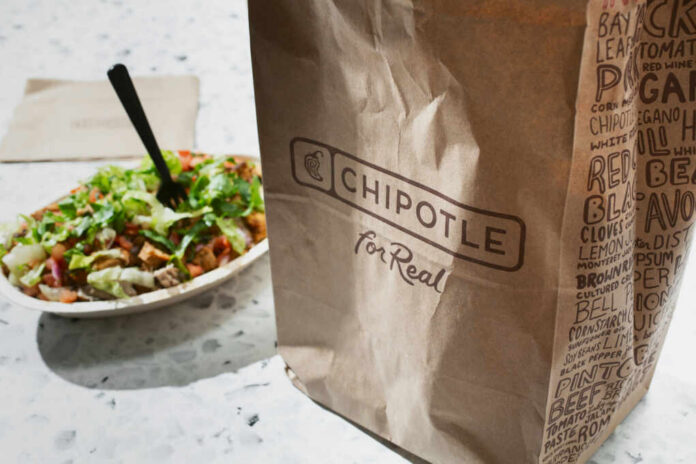
The salt hidden in your Friday night takeaway is not just higher than you think — almost half the time, it is higher than the menu admits.
Story Snapshot
- Almost 50% of tested takeaway dishes had more salt than the label claimed
- Many single meals blew past the full 6-gram daily salt guideline in one sitting
- Pizzas, curries, and pasta dishes were the worst offenders, with some portions topping 10 grams of salt
- Researchers say restaurant salt labels are often guesswork, not hard facts
Takeaway salt levels quietly overwhelm official health targets
Scientists did something most of us never think about: they hauled popular takeaway meals into the lab and measured how much salt they really contained. A United Kingdom study tested 411 samples from 23 types of hot takeaway dishes and found salt levels that were “alarmingly high,” especially in pizzas, Chinese dishes, kebabs, and Indian meals. Another research team showed that many single portions alone beat the United Kingdom’s daily salt target of 6 grams, with some meals hitting more than double that amount. These are not giant family trays, but regular orders you might eat while watching television.
The new Reading study added a sharper twist: the problem is not only how salty the food is, but how badly the menus describe it. Researchers found that 47 percent of the takeaway foods they analyzed had more salt than the labels claimed, with curries, pasta, and pizza dishes often overshooting their declared values. Some independent restaurants in Reading served single meals with over 10 grams of salt in one portion, nearly twice the recommended daily intake for an adult. That is the kind of dose doctors link to higher blood pressure and heart risk, delivered in one easy click on a delivery app.
Where the worst salt surprises lurk on your menu
Not all dishes were equal in this salt shell game. Meat pizzas topped the list for salt concentration, at about 1.6 grams per 100 grams of food. Pasta dishes delivered the most salt per serving, averaging 7.2 grams, which is more than the full daily guideline in one bowl, and at least one pasta portion clocked in at 11.2 grams of salt. Curry dishes showed wild swings, from 2.3 grams up to 9.4 grams per dish, proving that what looks like the “same” curry can hit your body very differently depending on who makes it and how. By contrast, chips from traditional fish and chip shops, where salt is added after cooking and often on request, held just 0.2 grams per serving, far lower than chips from other outlets. For anyone who values personal responsibility and clear information, this uneven pattern matters; some treats are manageable, others quietly blow past safe limits.
These numbers fit into a wider picture that should concern anyone who cares about basic honesty in food labeling. A separate study of takeaway sodium found “substantial variability” in salt content and concluded that menu labels often fail to match laboratory measurements, with almost 50 percent of foods exceeding declared sodium values. Researchers warned that some meals surpass the 6 grams per day recommendation in a single serving. Add to this other work showing that almost all tested takeaway meals smash suggested calorie limits, and you see a pattern: out-of-home food frequently comes with more salt and calories than the label or the marketing suggests. When people try to follow health advice while still enjoying restaurant food, this hidden gap between words and reality becomes a fairness issue as much as a health one.
Are these lies, or is the kitchen simply that messy?
Food industry defenders point to something real: kitchens are not factories. The lead researcher in one major study admitted that it is very difficult for restaurants to give accurate salt values without measuring each meal individually. Cooks change ingredients, shake on different amounts of seasoning, and serve portions that are not identical. Studies on sodium variability back this up, stressing that inaccuracies arise from preparation differences, ingredient swaps, and portion size changes, and that menu labels should be seen as rough guides rather than exact numbers. Curry dishes, the very meals with the greatest salt surprises, showed the widest range in sodium, from 2.3 to 9.4 grams per dish.
Yet the “it is all variable” defense only goes so far. Variability explains why one curry might have a gram more salt than another; it does not fully excuse a system where nearly half the measured dishes have more salt than the menu claims and 60 percent of meals in older research were classified as having extremely high salt density, around 6 grams per 1,000 kilocalories. At that point, you are not just dealing with minor kitchen noise. You are looking at recipes and portion norms that are built to be very salty, combined with labels that lean optimistic. For Americans who value free choice, this is the crux: choice is only real when information is reasonably accurate.
What this means for personal responsibility and future rules
Public health groups use these findings to argue that the restaurant sector is failing on basic transparency, and they push for tougher labeling or salt reduction targets. Industry groups can respond by claiming studies are narrow or methods imperfect, and regulators often say they need more evidence before they force new rules. That tug-of-war leaves the average customer in the middle, holding a menu that may understate key health risks. The answer is not to ban the Friday night pizza, but to insist on straight numbers so adults can decide for themselves.
For now, one thing is clear from the research: if you treat menu salt numbers as precise, you are giving them more trust than the science does. A safer approach is to assume most rich, savory takeaway dishes carry at least a full day’s worth of salt, and sometimes far more, even when the label looks modest. Reform, if it comes, will likely focus on nudging recipes toward lower salt and tightening how restaurants estimate and check their figures. Until then, your best defense is simple awareness: the real salt story in your takeaway bag is often stronger than the one printed on the box.
Sources:
sciencedaily.com, researchonline.ljmu.ac.uk, pmc.ncbi.nlm.nih.gov, bhf.org.uk, pubmed.ncbi.nlm.nih.gov, facebook.com, reading.ac.uk