

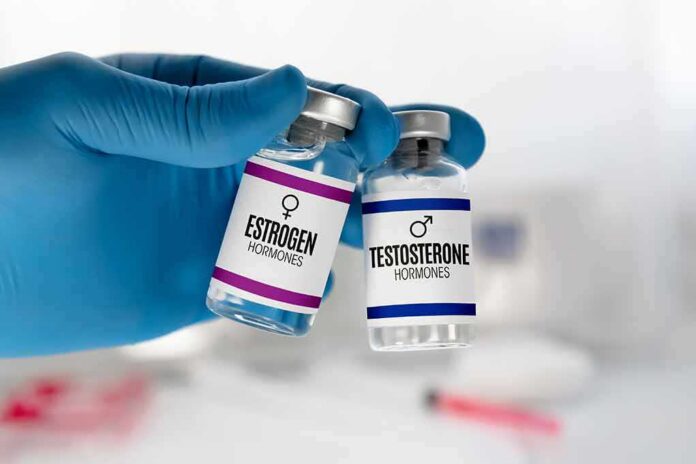
Across menopause clinics and kitchen tables, testosterone has quietly become the “secret weapon” some women reach for when hot flashes are not the main problem — but flat desire, draining fatigue, and brain fog are.
Story Snapshot
- Testosterone naturally drops in midlife and can drive low sex drive, fatigue, and brain fog for some women.
- Strong medical evidence supports testosterone mainly for one issue: distressing low sexual desire in menopausal women.
- Women and wellness clinics now use it for wider symptoms like energy and mood, ahead of what guidelines formally endorse.
- Conservative use, low doses, and real lab monitoring matter because long term safety data in women is still limited.
Why testosterone is suddenly in the menopause spotlight
Many women hit their forties or fifties and feel like someone stole the “spark plug” that used to drive their body and mind. They do not just have night sweats. They feel tired all the time, struggle to care about sex, and have trouble thinking clearly at work. Doctors now recognize that falling testosterone can contribute to low libido, weak muscles, and constant fatigue in women going through menopause. That shift in awareness opened the door to a new kind of hormone talk in the exam room.
Researchers have measured this change for years, but for a long time testosterone was treated as “the male hormone” and ignored in women. Newer reviews show that when carefully added to regular hormone therapy, testosterone can boost sexual desire, arousal, orgasm, and self image in menopausal women who were still struggling even on estrogen. Those results are hard to dismiss if you believe that strong marriages and healthy intimacy matter to family stability and personal well being.
What the evidence really supports today
The most solid science sits in a narrow lane: treating very low sex drive that causes distress, also called hypoactive sexual desire disorder. A global position statement backed by major medical societies supports testosterone for this specific problem in postmenopausal women, based on many randomized trials. An analysis reviewed for older women reached the same bottom line: testosterone is clearly proven to improve desire, arousal, orgasm, and sexual satisfaction in menopausal women with low libido.
Big public health bodies reflect this narrow focus. The National Institute for Health and Care Excellence in the United Kingdom tells doctors to consider testosterone only when a menopausal woman has low sexual desire and regular hormone replacement therapy has not helped enough. British Menopause Society guidance echoes that, saying testosterone should follow an optimized estrogen plan and a careful look at relationship, mental health, and medicine causes first. That kind of stepwise approach matches conservative values: fix the basics, rule out non hormone issues, then add another drug if and only if it is truly needed.
Why women and clinics are pushing the boundaries
Real life, of course, moves faster than guidelines. Telehealth brands, wellness clinics, and some menopause specialists now present testosterone as a broader “vitality” hormone. They point to studies and patient reports showing gains in mood, energy, motivation, sleep, and cognitive clarity when testosterone is kept within the normal female range. One personal review argues that physiologic doses can help sexual function, bone health, and even brain protection. That pitch sells, because many women feel ignored when they complain about fatigue and brain fog, not just hot flashes.
This expansion has two sides. On one hand, respecting women’s testimony matters. If a grandmother who went from dragging through the day to lifting weights and enjoying sex again says testosterone changed her life, that deserves serious attention, not dismissal. On the other hand, the strongest trials still say that libido is the only proven benefit so far, and one major review found no conclusive evidence for better mood, thinking, energy, bone density, or heart health. When marketing stretches beyond what the data shows, cautious skepticism is healthy.
How careful doctors use testosterone in menopause
Thoughtful clinicians try to split the difference between hope and hype. Many start with standard hormone replacement using estrogen, sometimes with progesterone, because that alone can ease a wide range of menopause symptoms for most women. If sex drive remains very low and distressing, then they may add a low dose testosterone gel or cream, with blood tests to keep levels in the typical female range. Some specialists also calculate a free androgen index and suggest a trial when that score is in the lowest range and symptoms match androgen deficiency.
Testosterone therapy is being used to help women manage symptoms of perimenopause and menopause — but Dr. Tara Shirazian, a board-certified gynecologist, is urging women to talk with their doctors about possible treatment options before purchasing products marketed on social… pic.twitter.com/KZflkAI5dz
— CBS Mornings (@CBSMornings) July 31, 2026
Doctors who favor a restrained approach stress safety. Long term data in women are limited, and some studies note side effects such as acne, hair growth, or male pattern hair loss when doses climb too high. Guidance from menopause groups urges at least yearly reviews, tracking both symptom relief and lab numbers, and warns against “superphysiologic” levels that push women into male ranges. That kind of close follow up matches a personal responsibility view of health care: you do not outsource your entire future to a quick fix; you stay engaged in the risks and benefits.
What this trend means for women deciding today
For women in menopause considering testosterone, the real story is simple and serious. There is strong evidence that it can help when low sexual desire is harming their relationships and quality of life, after regular hormone therapy has been tried. Beyond that, the science is still catching up with the bold claims. Many women do feel better on testosterone, and some early studies hint at gains in mood and thinking, but large, long term trials have not yet proven those extra benefits.
That gap leaves room for wise, values based choice. A woman who believes in marriage, self reliance, and careful use of medicine might decide testosterone is worth a cautious trial under a knowledgeable doctor, with regular lab checks and a clear plan to stop if risks or side effects show up. Another might decide that until the data are stronger, better sleep, strength training, and simpler hormone options are enough. The trend itself tells us one thing clearly: women will not stay quiet about their long term health, sexual or otherwise, and the system is finally starting to listen.
Sources:
pmc.ncbi.nlm.nih.gov, bywinona.com, healthandher.com, esmed.org, patient.info, webmd.com, ubiehealth.com