

Heightened stress silently triggers disorientation, leaving you lost in your own surroundings—yet experts reveal simple steps to reclaim clarity before it spirals.
Story Snapshot
- Stress activates fight-or-flight, releasing cortisol that disrupts balance and cognition within minutes.
- 80% of adults face this reversible symptom, distinct from dementia or serious illness.
- Short-term confusion impairs driving and work; long-term risks brain atrophy and burnout.
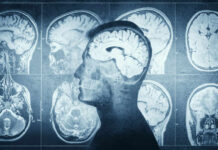
- Neuroimaging shows amygdala overdrive and network shifts, with women more vulnerable to psychosocial triggers.
- Manage with breathing, movement, and monitoring—empowerment lies in recognition.
Physiological Mechanisms Link Stress to Disorientation
The hypothalamic-pituitary-adrenal axis fires during stress, flooding the body with cortisol and adrenaline. This fight-or-flight response diverts blood flow from the brain’s vestibular system, which governs balance and spatial awareness. Hyperventilation drops blood CO2 levels, inducing lightheadedness. Neck and shoulder tension further blocks vestibular signals. These changes hit within minutes, causing confusion about time, place, or identity. Everyday pressures like work deadlines trigger this in 80% of adults.
Short-Term Effects Disrupt Daily Function
Disorientation brings immediate lightheadedness, headaches, nausea, and fatigue. Individuals struggle with tasks requiring focus, such as driving or operating machinery. Confusion amplifies anxiety, creating vicious cycles. Women under psychosocial stress show heightened amygdala activation, per neuroimaging. Mayo Clinic notes accompanying restlessness and irritability. These symptoms mimic serious conditions but reverse quickly with intervention. Affected adults report impaired productivity and heightened isolation risks.
Long-Term Consequences Threaten Brain Health
Chronic stress erodes hippocampal volume and prefrontal spines, leading to memory lapses and concentration deficits. Allostatic load builds, paving paths to depression, PTSD, and burnout. Economic tolls mount from absenteeism and healthcare visits for altered mental status evaluations. Vulnerable groups, including anxiety patients, face amplified risks. Research Domain Criteria frame this as transdiagnostic circuit dysfunction, echoing WWII shell shock evolutions into modern PTSD insights. Preventive neuroplasticity now gains focus.
Expert Consensus on Recognition and Management
Neuroscientists confirm cortisol disrupts vestibular blood flow while tension and hyperventilation compound effects. Healthline and Healthdirect stress ruling out delirium or dementia first. Mayo Clinic urges tracking persistent symptoms alongside restlessness. Cymbiotika suggests holistic aids like supplements, but academic sources prioritize evidence-based stress reduction. RDoC experts highlight pre-symptomatic amygdala and insula shifts. Gender differences emerge: psychosocial stressors amplify female responses.
Clinicians recommend deep breathing to normalize CO2, gentle neck stretches for tension relief, and grounding techniques like naming surroundings. Physical activity restores blood flow. Persistent cases demand professional evaluation to exclude organic causes. Post-2020 meta-analyses predict vulnerability from network reconfigurations, urging early action. This empowers individuals, aligning conservative values of personal responsibility with scientific rigor over quick fixes.
Sources:
Can Stress Cause Dizziness and Disorientation? Exploring the Complex Relationship
PMC/NIH article on neurobehavioral effects
Cleveland Clinic: Altered Mental Status (AMS)