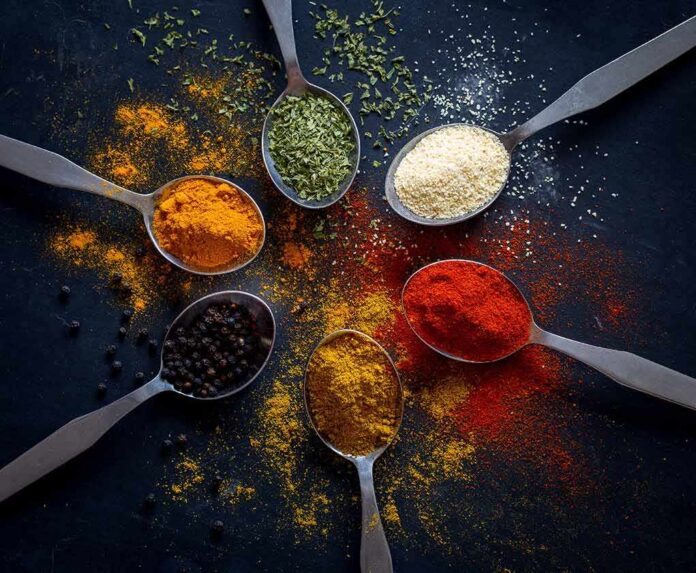
A spice sitting in most kitchen cabinets right now may ease pain almost as well as a popular over-the-counter drug, according to new research highlighted by Dr. Michael Greger.
Quick Take
- Dr. Michael Greger’s upcoming book “How Not to Hurt” examines foods, mainly spices, that show up again and again in pain research.
- Ginger has been tested in human trials for period pain, sore muscles, arthritis, lower back pain, and migraines.
- An umbrella review of 24 studies found ginger’s strongest, most reliable effect is on arthritis pain.
- Greger also points to cinnamon, turmeric, and even kale as foods worth studying for pain relief.
A Doctor Looks Past the Medicine Cabinet
Dr. Michael Greger, founder of NutritionFacts.org, spent years digging through pain studies for his new book, “How Not to Hurt.” He told podcast host Chuck Carroll that certain foods kept appearing across unrelated studies on pain. Ginger topped that list. So did cinnamon and turmeric. Greger says these foods showed up “chapter after chapter,” offering relief for very different kinds of pain, from cramps to arthritis to headaches.
One comparison from his research stands out. A tiny amount of ginger powder, about an eighth of a teaspoon, produced a pain relief curve that nearly matched a well-known prescription drug. In one study, 44% of patients taking the drug were pain-free within two hours. The same percentage of patients taking plain ground ginger, costing less than a penny per dose, got the same result.
What the Actual Science Shows
Greger’s claims line up with a real body of published research. A 2020 review in the National Library of Medicine looked at a decade of randomized trials testing ginger against period pain, muscle soreness, arthritis, chronic lower back pain, and migraines. It found promising results across all five conditions. That is a wide range of pain types for one kitchen spice to touch.
A larger umbrella review, which combines results from 24 separate systematic reviews, narrowed down where the evidence is strongest. Ginger’s clearest, most consistent pain benefit shows up in arthritis, where researchers rated the evidence quality as high, even though the actual effect size is small. The same review found solid, repeated results for reducing period pain, with multiple trials showing meaningful drops in pain scores.
Not every pain condition holds up as well under scrutiny. A review focused specifically on migraines found the existing studies too limited and too uncertain to call ginger an effective treatment, whether used during an attack or taken regularly to prevent one. That gap matters. It shows the evidence for ginger is not uniform across every type of pain, even if Greger highlights migraine research as part of the broader picture.
Why Small Effects Still Matter to Real People
The honest scientific pattern here is not “food versus medicine.” It is how small, specific clinical effects get stretched into bigger public claims. The strongest, best-supported ginger results are for arthritis and period pain. Other uses, other forms of ginger, and long-term results are far less settled. Trials differ in dose, preparation, and who was tested, which makes blanket statements risky.
Researchers reviewing dietary supplements for pain management found a similar trend: a small but real positive effect from dietary changes overall, even though single-nutrient supplements alone rarely show strong proof on their own. That is a reasonable, grounded takeaway. Food is not a miracle cure, but it is not nothing either, and dismissing cheap, low-risk options like ginger ignores actual trial data.
Greger’s book also points to one unexpected study comparing a kale preparation to ibuprofen after wisdom tooth surgery, part of what he calls his “Soothing Seven” foods for pain. Whether that list holds up under the same scrutiny as ginger remains to be seen once the book publishes. For now, the ginger evidence stands as the most tested, most consistent piece of his argument, and it is worth paying attention to.
Consumers should still be careful with pain products marketed as “natural,” since federal regulators have repeatedly warned that some arthritis and pain supplements contain hidden, undisclosed drug ingredients. A plain spice from the grocery store is a different matter than an unregulated pill promising a cure. The data on ginger itself, backed by real randomized trials, gives people a low-cost, low-risk option worth discussing with their own doctor.
Sources:
youtube.com, podcasts.apple.com, nutritionfacts.org, us.macmillan.com, research.bond.edu.au, vitad.org, herbalgram.org