

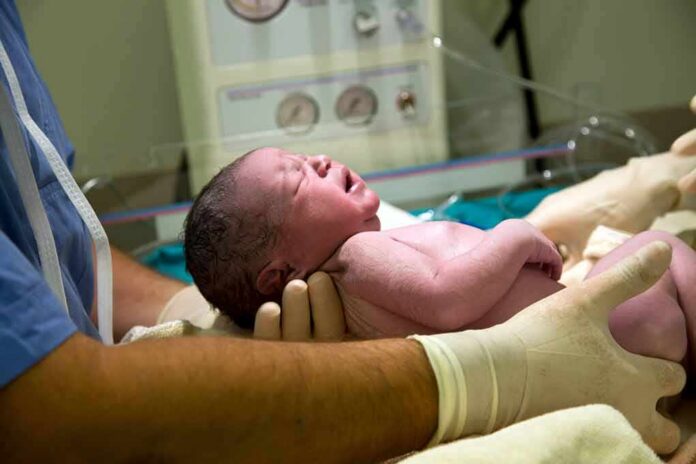
Doctors in Pennsylvania report at least six babies were born with measles during the state’s fast-moving outbreak, with two newborns sent to intensive care.
Story Snapshot
- Doctors report at least six newborns in Pennsylvania were born with measles.
- Two infants were treated in intensive care, showing the risk to the youngest.
- State guidance urges early measles-mumps-rubella shots for babies 6–11 months in high-risk areas.
- Pennsylvania’s outbreak includes hundreds of cases and infant deaths, heightening concern.
What Doctors Are Reporting About Newborn Infections
NBC News cites physicians in central Pennsylvania who estimate that at least six babies were born with measles, with two of those infants needing intensive care support. Doctors say congenital measles can occur when a mother catches measles close to delivery and the virus reaches the baby before birth. This account fits with known medical patterns. Federal public health materials describe congenital measles as possible when infection happens during pregnancy or around delivery.
Pennsylvania’s outbreak forms the backdrop to these births. News reports and state updates describe many cases across several counties, including infant involvement and measles-associated deaths. Health officials have warned that very young babies face the highest risk of severe illness. That risk grows in communities where measles spreads for weeks. The Centers for Disease Control and Prevention (CDC) defines an outbreak as three or more linked cases, a threshold Pennsylvania has far exceeded.
How Congenital Measles Happens And Why It Is Rare But Serious
Medical guidance explains that measles can pass from a pregnant woman to her baby before birth. Newborns with congenital measles often show a fever and rash within the first 10 days of life, and some develop dangerous problems like brain swelling. While congenital cases are uncommon, they are well documented during large outbreaks. When more adults, including pregnant women, get sick, the odds of rare events rise, even if the total number stays small.
Doctors in Pennsylvania describe this exact timing pattern. They link the newborn infections to maternal illness within about two weeks of delivery, which is when transmission to the baby is most likely. That matches published explanations of how the virus crosses the placenta late in pregnancy. It also matches past clinical reports that warn of severe disease in some infected newborns. These facts support the concern behind early hospital action and rapid newborn testing.
What Officials And Hospitals Are Doing To Protect Infants
The Pennsylvania Department of Health updated its guidance to protect babies who are too young for routine shots. The department advises one early measles-mumps-rubella dose for infants 6 through 11 months in areas with active spread. It also notes that the vaccine is not licensed for babies younger than 6 months, so prevention depends on community control and maternal protection. That advice aims to reduce exposure during doctor visits, day care, and family gatherings.
Hospitals and clinics in the state report special steps to shield newborns. Facilities offered preventive antibody treatment to exposed infants and tightened infection control in nurseries and neonatal units. Pediatric specialists in the region encouraged families to vaccinate children who are eligible and to limit contact between sick adults and babies. Those moves reflect a simple reality: newborns cannot be vaccinated on schedule if they are under 6 months, so adults must form the safety shield.
Why This Matters Beyond One State
America eliminated regular measles spread more than two decades ago, but gaps in vaccination can bring it back fast. The CDC says outbreaks continue to start with a few cases, then spread in communities with low coverage. When that happens, the youngest children pay first and worst. Pennsylvania’s congenital cases show how quickly a local surge can threaten newborns who have no defense. That risk should concern every parent, clinic, school, and faith community tied by travel and family ties.
Sources:
pa.gov, nbcnews.com, yahoo.com, cnn.com, nypost.com, cdc.gov