
Your smartwatch says you slept great, but your body might tell a different story. Many popular sleep trackers are built to spot sleep easily, yet they struggle badly at catching the moments you actually woke up.
Story Snapshot
- Validation studies show trackers detect sleep well but often miss brief nighttime awakenings.
- Some consumer devices caught wakefulness only 5.5 percent of the time in controlled tests.
- Manufacturers like Apple and Garmin build sleep scores from duration, consistency, and interruptions, not full wake detection.
- Newer devices show improved results, but the gap between sleep and wake accuracy still shows up across brands.
The Blind Spot Built Into Every Wristband
Sleep trackers work by watching movement, heart rate, and sometimes temperature. That combination makes them good at spotting when you’re asleep. A landmark review of actigraphy devices found 95.2 percent sensitivity for sleep, but only 36.3 percent specificity for wakefulness. In plain terms, the device catches sleep almost every time, but misses more than half of the moments you’re actually awake.
That pattern isn’t a fluke from one bad study. Research on wake detection found accuracy drops sharply once wakefulness increases during the night, largely because these devices struggle to tell brief stirring apart from real sleep. The more your night gets interrupted, the less reliable the tracker becomes at showing you the truth.
When Consumer Gadgets Get Put To The Test
Lab comparisons of popular consumer trackers turned up even rougher numbers. One 2019 review found a device catching wakefulness just 5.5 percent of the time, while another correctly flagged actual wake periods only 24.3 percent of the time when it claimed to. Researchers called the wake-detection accuracy in these devices alarmingly low, a blunt conclusion for products millions of people trust every morning.
A separate study comparing commercial trackers against clinical sleep lab equipment reached a similar verdict. Both devices tested underestimated wake time and overestimated actual sleep compared to the gold-standard polysomnography exam. One research paper described how a tracker named Neuroon completely ignored shorter awakenings, while Fitbit only logged them as vague restlessness rather than true wake time.
What The Big Sleep Score Actually Measures
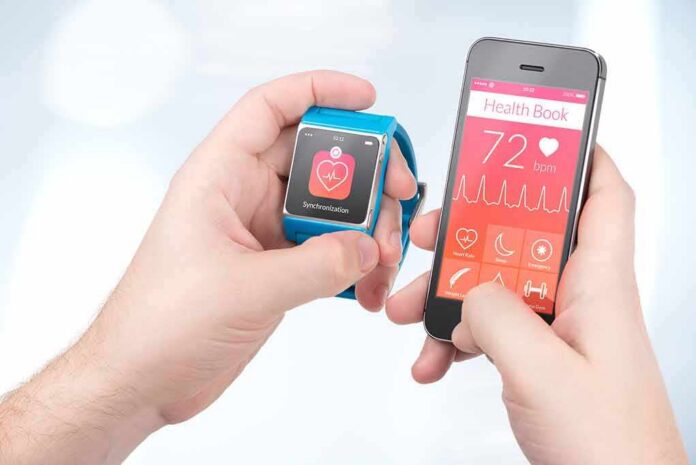
Apple explains its own Sleep Score plainly: it’s calculated from sleep duration, bedtime consistency, and interruptions, delivered to your phone about 15 minutes after you wake up. That’s a reasonable wellness snapshot. But it’s not the same as a clinical measurement of every time your brain briefly surfaced during the night, something the score isn’t designed to capture in fine detail.
Garmin has been more transparent than most about the tradeoffs. Its own published study reported 69.7 percent overall accuracy, with 95.8 percent sensitivity for detecting sleep but only 73.4 percent specificity for catching wakefulness. Even by the company’s own favorable framing, roughly one in four real awakenings can slip through undetected.
Why This Matters More Than A Number On A Screen
A broader review of wearable sleep technology put it bluntly: many of these devices simply cannot reliably detect brief arousals or micro-awakenings, the kind of split-second wake-ups that add up to fragmented, poor-quality sleep. That distinction matters for anyone managing insomnia, shift work, or sleep apnea, where the number of brief wake-ups can matter as much as total hours slept.
None of this means sleep trackers are worthless. They’re genuinely useful for spotting trends over weeks, nudging better bedtime habits, and giving people a rough sense of how they’re doing. But treating a glossy sleep score as medical truth is a mistake. A device that misses real awakenings shouldn’t be the final word on how well you actually slept.
Sources:
jphysiolanthropol.biomedcentral.com, sleephealthjournal.org, pmc.ncbi.nlm.nih.gov, eprints.qut.edu.au, academic.oup.com, jcsm.aasm.org