

The real shock of an Epilepsy Monitoring Unit stay is not the wires on your head, but how normal life has to keep going while doctors watch your brain around the clock.
Story Snapshot
- Why Johns Hopkins treats EMU prep like packing for a strange, wired-up hotel stay
- How video and heart monitors turn “just watching” into real answers about seizures
- What adults and kids actually need to bring, and what must stay at home
- How good preparation protects safety, sanity, and personal freedom during your stay
Why an Epilepsy Monitoring Unit Stay Matters More Than It Looks
An Epilepsy Monitoring Unit is not a regular hospital floor; it is a specialized unit built to capture seizures on continuous video and brain-wave recording so doctors can finally see what is really happening.[6][9] That means days in one room, cameras always on, and staff trained to respond fast. For many adults and children, this stay is the turning point between years of guessing and a clear plan for treatment.[3][6] Johns Hopkins leans into that reality by treating preparation as part of the medicine.[3]
Johns Hopkins explains that preparing well is not just about comfort; it directly affects the quality of the data they get.[3] Clean hair lets technicians place the electrodes correctly and keep them stuck for days.[4][5] Button-front shirts let staff check chest leads and safety belts without ripping everything off.[3][5][6] Bored patients move more and tug at wires; engaged patients sit, read, play, and give better recordings.[2][3][6]
What Johns Hopkins Tells You to Pack, and Why It Is So Specific
Johns Hopkins gives a punchy, practical list: bring a tied sleep mask, your continuous positive airway pressure machine or other home medical devices, all medications and supplements, loose clothes with button-front tops, personal care items, books, games, and favorite toys and blankets for children.[3] That is not random. The sleep mask helps you rest under bright lights and cameras. Home equipment, inspected when you arrive, keeps chronic problems like sleep apnea under control while your seizures are monitored.[3][6]
The rules on medications reflect both safety and control. Johns Hopkins wants every pill and supplement on the table, then either stores and dispenses them or sends extras home.[3] That matches broader expert advice that seizure medicines should be adjusted only under watch, not by guessing at home.[6][7] The “do not bring” list is short but firm: medical marijuana and other cannabis products are banned on hospital property.[3] You may agree or disagree with cannabis policy, but hospitals must follow federal law and keep standards the same for every patient.
How Daily Life Works Inside an EMU Room for Adults and Kids
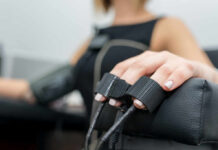
An Epilepsy Monitoring Unit stay usually runs several days, sometimes up to a week, and you are mostly in one room with cameras and wires attached.[5][6] Staff glue electrodes to your scalp for the electroencephalogram, hook up heart monitors, and connect everything to continuous video.[5][6] Johns Hopkins and peer centers know boredom is a real threat, especially for kids. They encourage favorite books, crafts, video games, and schoolwork to keep patients busy and less likely to pull at wires.[2][3][4][6]
Pediatric care adds another layer: Johns Hopkins expects a parent or care partner to stay around the clock with any child under eighteen or any patient with special needs.[1][3] That rule fits both medical sense and basic conservative values about family responsibility and protection. Parents help keep kids calm, describe events to staff, and guard against falls. Other children’s centers say the same thing and even stock game systems, craft carts, and toys to bring to the bedside.[2][3] Family is not an afterthought; it is part of the care plan.
Why These Instructions Look Strict but Actually Protect Your Freedom
People who live with seizures often feel their freedom shrinking: they cannot drive, they watch every trigger, and yet answers stay foggy. An Epilepsy Monitoring Unit stay flips that script. The unit concentrates risk, under heavy safety measures, so that doctors can safely taper medicines if needed, record real seizures, and decide if surgery, device therapy, or a new drug plan makes sense.[6][7][8] Published guidelines for specialized epilepsy centers back this model of continuous recording and trained observation.[8][9]
Good preparation protects your freedom later. Clean hair means fewer repeat studies.[1][4][5] Correct clothing means fewer broken leads and better sleep.[3][5][6] Honest disclosure of supplements and cannabis use, even when the hospital bans some products, keeps you safer when medicines change.[3][6][7] For children, planning entertainment and schoolwork maintains routine and dignity, not just “keeping them occupied.”[2][3][6] The details may feel nitpicky when you read the checklist, but together they lower risk and raise the odds that this one stay answers questions you have carried for years.
Sources:
[1] YouTube – Preparing for your Epilepsy Monitoring Unit (EMU) Stay: Johns Hopkins …
[2] Web – Epilepsy Monitoring Units (EMU) – Johns Hopkins Medicine
[3] Web – Epilepsy Monitoring Units Explained
[4] Web – Epilepsy Monitoring Unit (EMU) | Children’s Hospital of Philadelphia
[5] YouTube – What to Expect During Your Stay in the Epilepsy Monitoring Unit …
[6] Web – Epilepsy Monitoring Unit | What to Bring to an EMU
[7] YouTube – Epilepsy Monitoring Unit (EMU) Patient Information
[8] Web – Antiepileptic drug withdrawal and seizure severity in the epilepsy …
[9] Web – [PDF] care of the patient in the epilepsy monitoring unit (emu)