
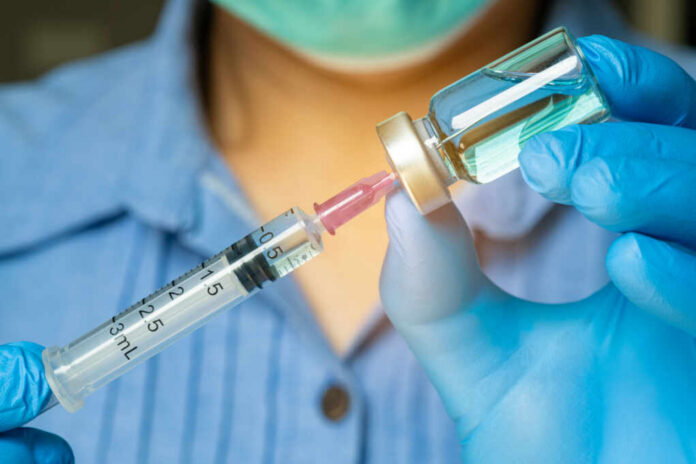
A new fentanyl vaccine claims to stop overdoses before they start by trapping the drug in the bloodstream instead of the brain.
Story Snapshot
- Scientists have built vaccines that block most fentanyl from reaching the brain in animals.
- The first major human trials are starting, but no one knows yet if it will work in people.
- The shot targets fentanyl and some cousins while leaving other pain medicines usable.
- The real fight is between big promises, hard science, and a fast-shifting overdose crisis.
How a fentanyl vaccine turns the drug into a sitting duck
Researchers are not trying to fix overdoses after they happen with this new tool; they are trying to stop fentanyl from working in the first place. The vaccine teaches the immune system to make antibodies that grab fentanyl in the blood and form big clumps that are too large to cross into the brain. That keeps fentanyl away from the receptors that slow breathing and create the high, which is where the real danger lives.[4]
Animal studies give this idea more than just a theory. In rats and mice, fentanyl vaccines cut how much drug reached the brain and shifted the dose needed to cause pain relief or slow breathing to much higher levels.[4] One study reported that vaccinated rats had sharply lower brain levels and were protected from the usual drop in breathing after fentanyl doses that would floor normal animals. That kind of result is what pushed teams to move toward human testing.[4]
What early human trials can and cannot tell us
Drug companies and academic groups are now lining up first-in-human trials in Europe and the United States. One major program backed by ARMR Sciences plans a Phase 1 to Phase 2 study at a research center in the Netherlands, with about forty volunteers.[1][3] These early studies will not prove that the vaccine saves lives in street overdoses. They will ask a smaller, technical set of questions about safety and antibody levels after a series of shots.[1][3]
Trial teams also want to measure how well those antibodies block fentanyl under closely controlled conditions. Some designs include giving tiny, medically supervised doses of fentanyl and watching how much drug effect slips through the antibody shield.[3][5] Regulators like the United States Food and Drug Administration will look for clear signs that the vaccine changes fentanyl’s path through the body before they allow any bigger claims. That bar is high, and it should be, given the stakes.[5]
Why this is not a magic shield for every overdose
Mouse and rat data look strong, but animals do not smoke street pills in abandoned houses. Real overdoses often mix fentanyl with alcohol, benzodiazepines, xylazine, or other drugs that also slow breathing. The vaccine only targets fentanyl-shaped molecules, so it cannot block every depressant in the mix. Studies so far used neat doses of fentanyl alone, under lab timing, which is a much cleaner scene than a midnight binge on the street.[4]
The vaccine’s strength is also a political and cultural weak spot. It is preventive. That means people must get it before an overdose and stay up to date with boosters if needed. Many Americans still resist vaccines even for infections. Convincing people who use drugs, or those leaving jail or rehab, to line up for a shot that does not give an instant payoff will be a heavy lift.
Keeping pain care and rescue options on the table
One key design goal has been selectivity. Scientists built these vaccines to attack fentanyl and some of its designer cousins, not every opioid under the sun.[2][4] In animal and early lab work, the antibodies ignore common medical drugs like morphine, oxycodone, or methadone while still latching onto fentanyl-like shapes.[2] That matters for surgery, cancer care, and emergency medicine, where doctors still need working pain tools without fighting the vaccine at every turn.
A new experimental vaccine developed by Scripps Research could offer a powerful new way to prevent fentanyl overdoses by stopping the drug before it reaches the brain. Rather than targeting only fentanyl itself, the vaccine trains the immune system to recohttps://t.co/FdTHG3QUVg
— Michael W. Deem (@Michael_W_Deem) June 13, 2026
Researchers also checked whether standard rescue drugs still work on top of vaccination. In one rat study, naloxone still reversed fentanyl’s effects even in vaccinated animals, which means the two strategies can stack rather than clash.[4] That fits a more layered approach: keep naloxone in every squad car and home, use medication treatment for addiction, and add vaccines as one more guardrail instead of betting the farm on a single clever fix.
Sources:
[1] Web – New fentanyl vaccine blocks deadly overdoses before they start
[2] Web – Scripps Research Fentanyl Vaccine Blocks Overdoses by Targeting …
[3] Web – Investigation of monoclonal antibody CSX-1004 for fentanyl overdose
[4] Web – Research shows fentanyl vaccine significantly reduces brain levels …
[5] Web – Efficacious Vaccine against Heroin Contaminated with Fentanyl – PMC
[6] Web – Experimental vaccine protects against fentanyl and related opioids