One skipped coffee or one late-night drink can nudge your bloodwork enough to change your doctor’s plan.
At a Glance
- Dr. Dani Fisher lists 10 common pre-blood-test mistakes that skew results.
- Experts stress a simple rule set: morning draw, 10–12 hours fasting, water allowed.
- Nonfasting is fine for many lipid checks, but not all tests or cases.
- Small choices—alcohol, coffee, smoking, workouts, supplements—can move key numbers.
What Fisher Says Patients Get Wrong Most
Dr. Dani Fisher’s checklist is blunt: eat a normal dinner, skip alcohol, then fast overnight; the morning of the test, drink water only; do not have coffee, do not smoke, do not do a hard workout; and keep taking your prescribed medicines unless your clinician told you to hold them. The point is not to torture patients. The point is to keep your sample steady and honest, so your doctor does not chase noise with more tests or higher doses.
These rules match what leading laboratory groups teach. The European Federation of Clinical Chemistry and Laboratory Medicine advises a morning draw, about twelve hours of fasting, water allowed, no alcohol the day before, and no coffee or cigarettes before the test. That tight window cuts predictable swings in glucose, triglycerides, stress hormones, and other analytes that react to food, caffeine, nicotine, dehydration, and exertion.
Why Fasting Still Matters—And When It Doesn’t
Laboratory leaders call pre-collection steps the top source of error. They recommend an overnight fast near 10 to 14 hours to trim normal ups and downs. Food, caffeine, and exercise can lift or drop results enough to look like a problem. That noise can trigger repeat bloodwork or even scans. Many clinics also accept nonfasting lipid panels to ease access, with fasting repeats only if triglycerides come back high or the case is complex.
Readers hear mixed messages because both ideas can be true at once. Nonfasting lipids help busy patients. But fasting still helps for glucose, insulin, triglycerides, some hormones, and several metabolic markers. A simple way to square it: follow the order slip. If it says fasting, do twelve hours with water only. If it does not, ask your clinic if your panel is fine without fasting, and still avoid a big meal, coffee, cigarettes, and a workout that morning.
Five Small Habits That Quietly Distort Results
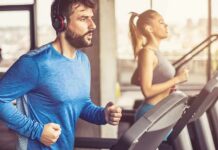
Alcohol the night before can bump triglycerides and affect liver enzymes, so avoid it for a full day before your draw. Coffee before the test can raise cortisol and glucose in the short term. Cigarettes cause acute shifts in several markers and tighten veins, making the draw harder. A hard workout can spike creatine kinase and shift fluid balance, so skip intense training until after. Dehydration can falsely concentrate values; water in the morning keeps veins open and numbers truer.
Supplements deserve a special flag. High-dose biotin, common in hair and nail products, can interfere with some immunoassays and make thyroid or hormone tests look off. Many labs advise a biotin washout for at least several hours and up to three days depending on dose and the assays ordered. If you take biotin, tell the lab and your clinician so they can time the draw or interpret results with care.
Medications, Morning Timing, And A Calm Draw
Most patients should take their routine medicines unless their own clinician said to hold them. Skipping blood pressure pills or thyroid medicine without guidance can confuse the picture more than it helps. Morning draws between 7 and 9 help because hormones and lipids follow daily rhythms, and standard time windows cut swing. Sit for a few minutes before the needle. Tight control of small steps lowers the odds of a false alarm and keeps treatment decisions anchored to real trends.
Practical Prep You Can Use Tonight
Eat a regular dinner. Do not drink alcohol. Go to bed on time. Wake up and drink plain water. Skip coffee, tea, gum, and mints. Do not smoke or vape. Do not do a hard workout. Bring a list of all medicines and supplements, including biotin. Take your prescribed pills unless your clinician told you not to. If your lab slip says fasting, aim for twelve hours. If it does not, you still win by keeping the morning quiet and simple.
Bottom Line For Results You Can Trust
A blood test is a snapshot. Your choices in the twelve hours before it can blur that image or sharpen it. Fisher’s rules match long-standing lab guidance and a common-sense view: remove the easy noise first, so your doctor treats you, not your breakfast. Follow the order you were given, keep water on board, and save the latte and workout for after the bandage comes off.
Sources:
youtube.com, instagram.com, eflm.eu