
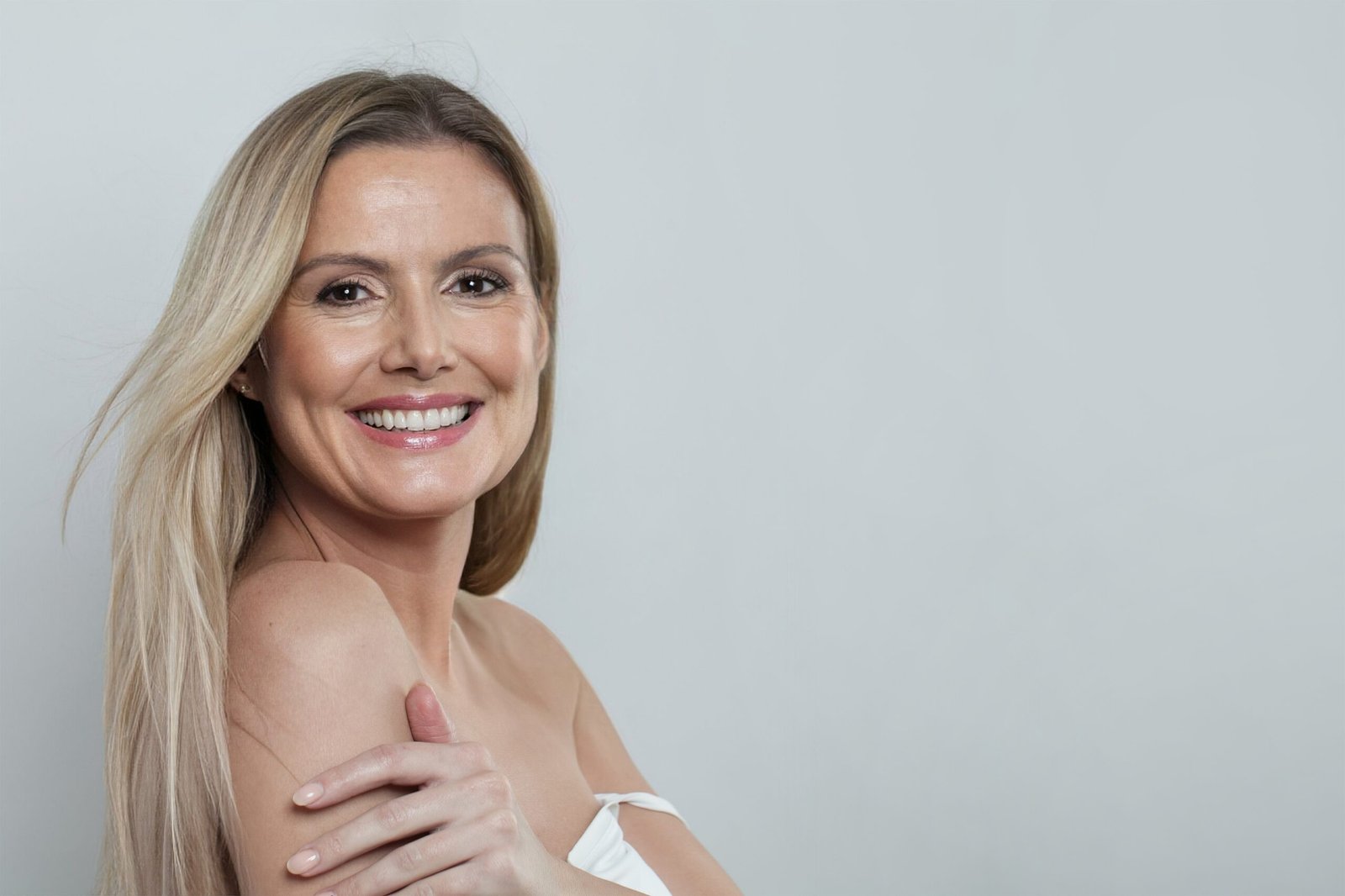
Could the secret to youthful skin lie in the invisible world of your skin’s microbiome?
Story Snapshot
- Unilever study links skin microbiome to visible signs of ageing.
- Younger-looking skin exhibits a more stable microbiome composition.
- Topical treatments can potentially reverse ageing microbiome changes.
- Shifts in specific bacteria are associated with skin ageing.
The Skin Microbiome and Ageing
The 2025 study led by Unilever uncovered a fascinating connection between the skin’s microbiome and visible ageing. Researchers studied 65 volunteers, dividing them into groups based on premature and delayed skin ageing. The findings were striking: those with younger-looking skin had a more resilient microbiome, while prematurely aged skin showed a fragile microbial structure. This discovery points to the microbiome not just as a passive resident of the skin but as an active player in how old we appear.
https://www.youtube.com/watch?v=He9NCf0BPy8
The skin microbiome’s composition appears to influence crucial skin parameters such as elasticity, hydration, and barrier function. By using a four-week topical retinyl propionate intervention, researchers observed improvements in these skin parameters and a shift towards a microbiome profile typical of younger skin. This is the first time a study has demonstrated how skincare products can modulate the skin’s microbiome, offering hope for new anti-ageing treatments targeting microbial balance.
Breakouts? Let AI guide your skincare plan.
Microbial Shifts and Their Implications
Key to understanding this phenomenon is the microbial shift observed during the study. An increase in bacteria like *Acinetobacter* and *Moraxella* correlated with prematurely aged skin. Conversely, younger-looking skin showed a higher prevalence of *Cutibacterium* species. These microbial changes suggest that certain bacteria may accelerate skin ageing, while others contribute to maintaining a youthful appearance.
These findings open the door to innovative skincare solutions that target specific microbes to combat ageing. By fostering beneficial bacteria, it may be possible to enhance collagen production and reduce the fragility of the skin’s structure. This approach aligns with the broader trend in skincare towards personalized and microbiome-friendly products, reflecting a shift away from traditional anti-ageing ingredients.
Smarter skin care powered by AI.
Implications for the Skincare Industry
The implications of this research are profound for the skincare industry. With the growing consumer interest in microbiome health, as evidenced by a 63% increase in related studies since 2020, companies are likely to focus more on microbiome-targeted products. Unilever’s study lays the groundwork for new formulations that not only improve skin appearance but also enhance microbial resilience, offering a dual benefit.
https://www.youtube.com/watch?v=W3gcBbZJkHU
The beauty industry is poised for a transformation, with microbiome-targeted anti-ageing products potentially surpassing traditional retinol and peptide-based treatments. This shift underscores the importance of understanding the complex interplay between our skin and its microbial inhabitants, paving the way for more effective and holistic skincare solutions.
Get product recommendations backed by science.
Future Directions and Research
The study’s findings highlight the need for further research into the skin microbiome’s role in ageing. While the initial results are promising, the small cohort size and the short intervention period suggest that more extensive studies are necessary to validate these outcomes. Longitudinal studies could provide deeper insights into how microbiome changes over time affect skin ageing.
Moreover, exploring the gender and site-specific variations in microbial composition could uncover additional factors influencing skin ageing. As the field advances, the integration of metagenomics and network analysis techniques will likely enhance our understanding of the skin microbiome’s complexity and its impact on ageing.
Sources:
PMC Article
GreyB Resource
British Journal of Dermatology
CosmeticsDesign Article
Unilever Official Release
Frontiers in Aging