
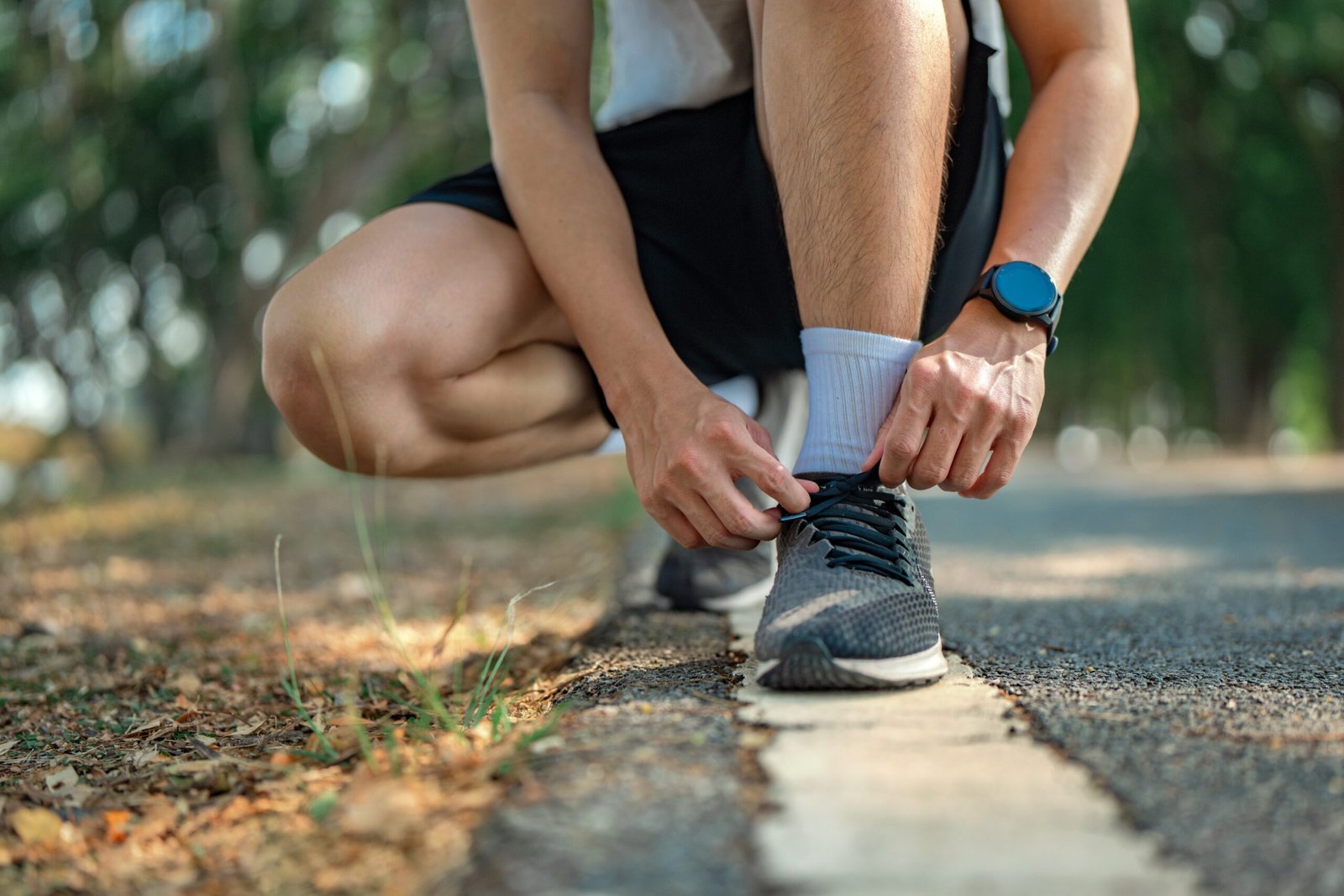
Over 60% of Americans unknowingly torture their feet daily, wearing shoes that trigger warning signals their bodies desperately try to communicate through specific walking sensations.
Story Snapshot
- Heel slippage, toe crowding, and side-to-side shifting are immediate red flags indicating wrong shoe size
- Research reveals 63-86% of people wear improperly fitted shoes, leading to blisters, bunions, and falls
- Width matters more than length – most sizing problems stem from shoes being too narrow for natural foot expansion
- Long-term consequences include permanent deformities, chronic pain, and reduced mobility, especially in older adults
The Hidden Epidemic Walking Among Us
Your feet expand up to 10% in width during each step, yet most people squeeze into shoes that fight this natural process. Podiatry researchers have documented a staggering reality: nearly three-quarters of the population walks around in footwear that doesn’t accommodate their actual foot dimensions. The human cost extends far beyond momentary discomfort, creating a cascade of problems that worsen with every mile walked.
https://www.youtube.com/watch?v=4tfobKXp6ks
The sensation most people dismiss as “breaking in” new shoes often signals a fundamental mismatch between foot anatomy and shoe construction. Heel slippage in oversized shoes creates instability that leads to trips and falls, while excessive toe space allows feet to slide forward, jamming toes against the front of the shoe during downhill walking or sudden stops.
Got a health question? Ask our AI doctor instantly, it’s free.
When Your Shoes Fight Back
Narrow shoes wage a silent war against foot health, restricting the natural splaying motion essential for proper balance and shock absorption. Research demonstrates that even a 0.6mm width discrepancy triggers measurable discomfort, yet most people tolerate far greater restrictions. The consequence appears most dramatically in older adults, where 65% of bunion cases correlate directly with wearing shoes equal to or smaller than actual foot width.
Side-to-side shifting while walking indicates shoes too wide for your feet, creating friction zones that develop into painful corns and calluses. This lateral movement also compromises ankle stability, forcing compensatory muscle tension that travels up the kinetic chain, affecting knees, hips, and lower back alignment over time.
Not sure where to start? Ask the AI doctor about your symptoms.
The Deformity Pipeline
Chronic pressure from ill-fitting shoes doesn’t just cause temporary pain – it permanently reshapes bone structure. Hallux valgus, commonly known as bunions, represents the most visible consequence of prolonged shoe mismatch. The condition affects older women disproportionately, particularly those who favor slip-on styles that tend to run significantly narrower than laced alternatives.
https://www.youtube.com/watch?v=px9otq2Q_KI
Lesser toe deformities, flattened arches, and biomechanical aging issues compound the problem, creating a progressive disability that many Americans accept as inevitable aging rather than recognizing as preventable shoe-related damage. Vulnerable populations, including diabetics and individuals with Down syndrome, show even higher rates of footwear mismatch, with some studies documenting up to 81% wearing shoes too narrow for healthy foot function.
Get fast, reliable health advice from your AI doctor now.
The Industry’s Sizing Failure
Modern shoe sizing systems, developed in the early 20th century, fail to accommodate contemporary foot morphology changes driven by lifestyle factors and population demographics. The standardized approach ignores the reality that 60% of people have more than a half-size difference between their left and right feet, forcing consumers to choose shoes that fit poorly on at least one foot.
Footwear manufacturers have begun acknowledging what they term the “global fit crisis,” recognizing that traditional sizing creates systematic mismatches affecting the majority of their customers. However, the industry’s response has been slow, with most retailers still offering limited width options despite overwhelming evidence that width discrepancies cause the majority of fit-related problems.
Sources:
Shoe-wearing patterns and foot problems of older people
The association between foot posture and shoe fit
Impact of footwear on foot health and function
Understanding the risks of oversized shoes
The global fit crisis in footwear
Am I wearing the right sized shoe?