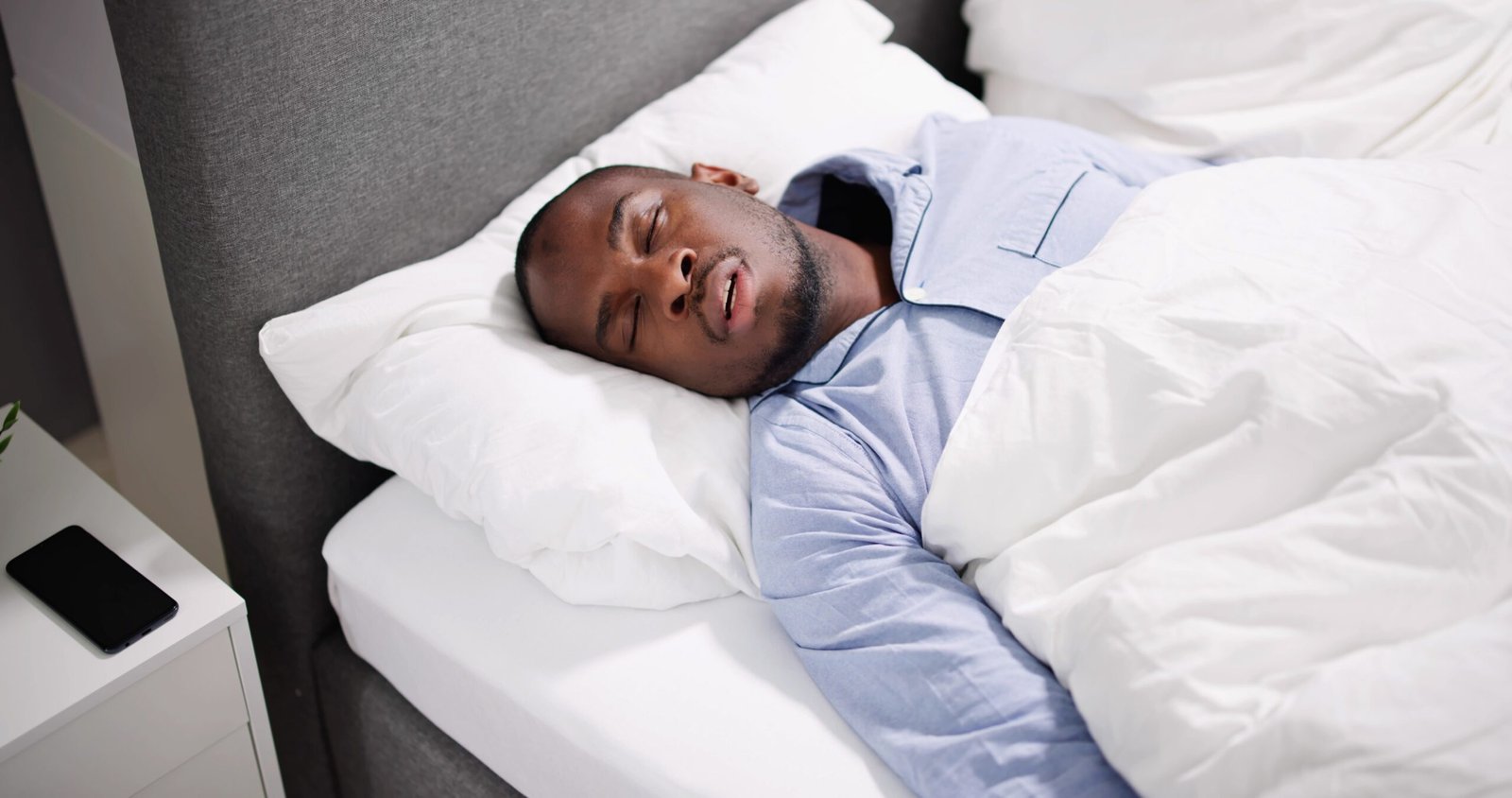

The first thing you reach for after a terrible night’s sleep might be sabotaging your chances of ever sleeping well again.
Story Highlights
- Grabbing your phone immediately upon waking disrupts circadian rhythm recovery
- Inconsistent wake times create “social jet lag” that increases obesity and heart disease risk
- Skipping morning light exposure within 30 minutes of waking delays your body clock by up to 40 minutes
- Early intense exercise before your body is ready can worsen sleep misalignment
- Poor breakfast choices amplify the metabolic damage from sleep deprivation
The Phone Trap That Keeps You Awake
Your smartphone becomes a sleep destroyer the moment you grab it after waking. Dr. Victoria Revell from the University of Surrey explains that blue light exposure immediately upon waking confuses your circadian system when it’s trying to establish rhythm after poor sleep. The dopamine hit from notifications creates a cycle where your brain expects stimulation instead of natural awakening, making subsequent nights even worse.
https://www.youtube.com/watch?v=vWgAhBw_Qo4
Poor sleepers who check phones within five minutes of waking show delayed melatonin production the following evening. This creates a vicious cycle where each morning’s digital habits compound the previous night’s sleep problems, leading to what researchers call “cumulative circadian debt.”
Got a health question? Ask our AI doctor instantly, it’s free.
The Social Jet Lag Phenomenon
University of Pittsburgh research reveals that inconsistent wake times create “social jet lag,” where your internal clock constantly fights your schedule. Poor sleepers who vary their wake times by more than one hour daily show increased obesity rates and metabolic dysfunction. Your body interprets irregular schedules as constant timezone changes, never allowing full recovery.
The metabolic consequences prove severe. Studies show that sleep-deprived individuals with inconsistent morning routines have 23% higher cortisol levels and reduced insulin sensitivity. Professor Richard Kreider from Texas A&M University notes that this hormonal chaos makes weight management nearly impossible, regardless of diet quality.
Morning Light: The Reset Button You’re Missing
Avoiding morning light within 30 minutes of waking delays your circadian clock by up to 40 minutes daily. National Sleep Foundation polls show that people getting 3-5 hours of outdoor time report the highest sleep quality scores. Poor sleepers who skip morning light exposure trap themselves in a delayed sleep phase, making early bedtimes physiologically impossible.
The fix requires just 10-15 minutes of outdoor light, even on cloudy days. Indoor lighting rarely exceeds 500 lux, while overcast skies provide 10,000 lux. This light exposure triggers cortisol awakening response and begins the 14-16 hour countdown to natural melatonin production, essentially programming your bedtime from the moment you wake.
Your 24/7 AI doctor is now live. No waiting. No appointment.
Exercise Timing That Backfires
Intense morning exercise before 6 AM can worsen sleep problems for poor sleepers. Research from the University of Surrey shows that exercise during your circadian low point creates additional stress when your body is already struggling with sleep deprivation. Night owls forcing early workouts often experience elevated evening cortisol, making sleep initiation harder.
https://www.youtube.com/watch?v=fAN3CrJ4rAg
The solution involves aligning exercise with your chronotype rather than fighting it. Poor sleepers benefit more from gentle morning movement followed by intense exercise after 10 AM when cortisol naturally peaks. This prevents the hormonal confusion that occurs when you force high-intensity activity during your body’s natural rest period.
Not sure where to start? Ask the AI doctor about your symptoms.
The Breakfast Mistakes That Amplify Sleep Damage
Danish research from 2024 reveals that poor breakfast choices compound sleep deprivation’s metabolic damage. Poor sleepers who skip protein or eat high-sugar breakfasts show 40% worse glucose control throughout the day. This blood sugar instability triggers evening cravings and interferes with natural sleepiness signals.
West Virginia University studies demonstrate that fiber-rich breakfasts reduce mortality risk by 21% in poor sleepers, compared to minimal benefits in good sleepers. The research suggests that proper morning nutrition becomes critical for damage control when sleep quality is compromised, making breakfast timing and composition non-negotiable for recovery.
Sources:
Perfect Morning Routine Science – Science Focus
Better Sleep 2026 – Kelly Murray Adult Sleep
A Healthy Night’s Sleep Starts the Moment You Wake Up – National Sleep Foundation
Improve Sleep Quality – Metropolis India
Sleep Trends – Naturepedic
How Morning Routines Influence Cognitive Performance – News Medical
Scrolling for Sleep – American Academy of Sleep Medicine