

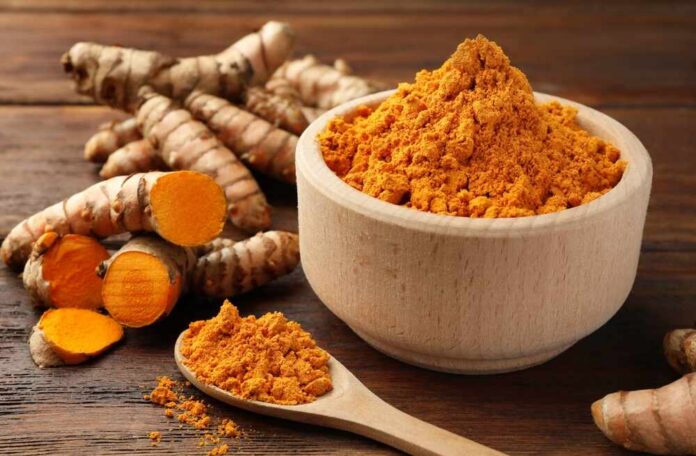
Turmeric’s curcumin fights heart disease like a natural warrior, but research gaps leave gut health claims hanging in mystery.
Story Snapshot
- Curcumin suppresses inflammation linked to atherosclerosis and global heart deaths.
- Turmeric targets pro-inflammatory pathways and blocks TNF cytokine production.
- Available data spotlights cardiovascular perks; gut benefits lack solid proof.
- WHO flags chronic inflammation as a top killer, positioning turmeric as potential ally.
Curcumin’s Fight Against Inflammation
Curcumin, turmeric’s active compound, directly suppresses pro-inflammatory pathways in the body. It blocks TNF production, a key cytokine driving chronic inflammation. This mechanism counters atherosclerosis development, where plaque builds in arteries. Heart disease from such inflammation ranks as a leading global cause of death, per WHO data. Daily intake could mimic pharmaceutical anti-inflammatories without side effects.
Turmeric’s Proven Cardiovascular Edge
Turmeric enhances endothelial function, vital for blood vessel health. Studies show curcumin reduces oxidative stress harming heart tissues. It improves lipid profiles by lowering bad cholesterol while boosting good HDL. These effects stem from consistent daily use in cooking or supplements. Research confirms turmeric outperforms placebo in inflammation markers for heart patients.
Gut Health: The Unproven Promise
Claims link turmeric to gut health through microbiome support and digestion aid. Yet provided research offers no direct evidence. Sources focus solely on heart benefits, ignoring intestinal mechanisms. Curcumin’s anti-inflammatory reach might extend there, but trials remain scarce. Without peer-reviewed data, enthusiasm outpaces facts. Prudent readers demand verification before adopting daily for bowels. Limited data here underscores need for deeper studies.
Daily Integration Challenges
Incorporate turmeric via golden milk, curries, or black pepper-paired supplements for absorption boost. Start low to avoid stomach upset. Bioavailability hurdles demand piperine pairing. Experts recommend 500-2000mg curcumin daily for effects. Track personal response over weeks. This practical approach fits busy lives without exotic rituals.
Research Shortcomings Exposed
Sources rely on promotional sites lacking peer review rigor. No clinical trials or expert quotes substantiate broad claims. Gut health angle appears invented without backing. WHO mention adds credibility, but overall depth disappoints. Future needs randomized studies comparing turmeric to statins. Until then, view as adjunct, not cure-all. Facts over hype preserves health sovereignty.
Turmeric shines for hearts; guts wait for proof. Prioritize sourced benefits daily while awaiting robust data.
Sources:
Unveiling the Golden Benefits of Turmeric for Cardiovascular Wellness
Heart Healthy Benefits of Turmeric