

Millions of Americans now fall asleep to white noise, but new warnings say blasting that “harmless” static each night could slowly damage hearing and raise dementia risk.
Story Snapshot
- A neurologist warns that loud white noise at night can damage hearing, a known dementia risk factor.
- Research links long-term noise exposure and hearing loss to higher odds of cognitive decline.
- Experts stress that volume and duration, not white noise itself, are the real danger.
- Simple steps like keeping sound below about 50 decibels may lower risk while still helping sleep.
Doctor’s warning: when a sleep habit becomes a brain-health risk
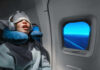
University of Michigan neurologist Dr. Baibin Chen has sparked global attention by warning that loud white noise machines, used night after night, can slowly damage hearing and may raise the risk of dementia later in life. He explains that many people crank the volume to drown out traffic, snoring, or city noise, turning a sleep aid into a long, nightly blast of artificial sound. That constant bombardment, he says, can wear down the delicate cells inside the inner ear over time.
Dr. Chen is not claiming that white noise itself directly causes dementia. Instead, he points to something scientists already agree on: hearing loss in midlife is one of the strongest known risk factors for dementia. If loud white noise damages hearing, it may push more people onto that path. He advises keeping white noise under about 50 decibels, roughly the level of a quiet conversation, and placing machines away from the head during sleep.
Noise, hearing loss, and dementia: what the research actually shows
Large studies over the past decade have found that people with untreated hearing loss are far more likely to develop dementia than those with normal hearing. Some data suggest even mild hearing loss can nearly double dementia risk, while severe loss can raise it up to fivefold. Researchers think hearing loss may strain the brain, reduce social contact, and speed up changes linked to memory problems. This makes noise-induced damage from any source a serious long-term concern.
Other research has focused on noise itself, not just hearing loss. A systematic review of chronic environmental noise exposure found that each 10-decibel increase in long-term noise was tied to about a 15 percent higher risk of Alzheimer’s and related dementias. Experimental work in aged rats shows that ongoing loud noise can trigger changes in the hippocampus, a brain area critical for memory, and produce Alzheimer’s-like lesions. These findings back up the broader warning that living in a sea of constant loud sound is not just annoying; it may slowly reshape the brain.
Where white noise fits in: tool or threat?
White noise machines became popular as a simple, drug-free way to mask disruptive sounds and help people fall asleep faster. Some hospitals even use controlled white noise to calm agitated patients with dementia, and one nursing study found it reduced restless behaviors in older adults. But other reviews suggest white noise does little to improve sleep overall, and may even worsen sleep quality when compared with normal environmental sounds. That mixed record means the benefits are real for some people, but not guaranteed.
Health writers and some doctors now warn that the problem is not short, quiet use, but loud, nightly exposure that goes on for years. Consumer devices can reach levels above 80 decibels at full volume, especially when placed close to the ear. At those intensities, any continuous sound—music, traffic, or white noise—can contribute to noise-induced hearing loss. Some media headlines have jumped from this to “white noise causes dementia,” but even critical reviews note there is still no direct proof that normal-volume white noise raises dementia risk on its own.
Practical takeaways in a noisy, stressed country
For Americans already worried about rising dementia rates, longer work hours, and chronic stress, yet another warning about a “simple” sleep aid can feel like one more example of systems that do not protect them. Regulators have left white noise machines mostly unregulated, even for infants, while companies market ever-louder devices as quick fixes for restless nights. That leaves ordinary families to sort out complex brain-science questions on their own, with little clear guidance from federal health agencies.
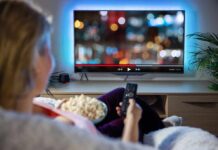
Experts offer a few straightforward guardrails. Keep sleep soundscapes as quiet as possible while still masking background noise, and stay under about 50 decibels when you can. Place machines across the room, not right next to your head, and avoid max-volume settings, especially for children. If you or a loved one starts turning the television or white noise louder over time, that can be a sign of early hearing problems—and hearing checks, hearing aids, and protecting your ears from loud sound may all help lower dementia risk. Small choices about noise today may protect both hearing and brain health tomorrow.
Sources:
docs.google.com, hearology.uk, pmc.ncbi.nlm.nih.gov, linkedin.com, academic.oup.com, sciencealert.com, journals.lww.com, mcgill.ca