
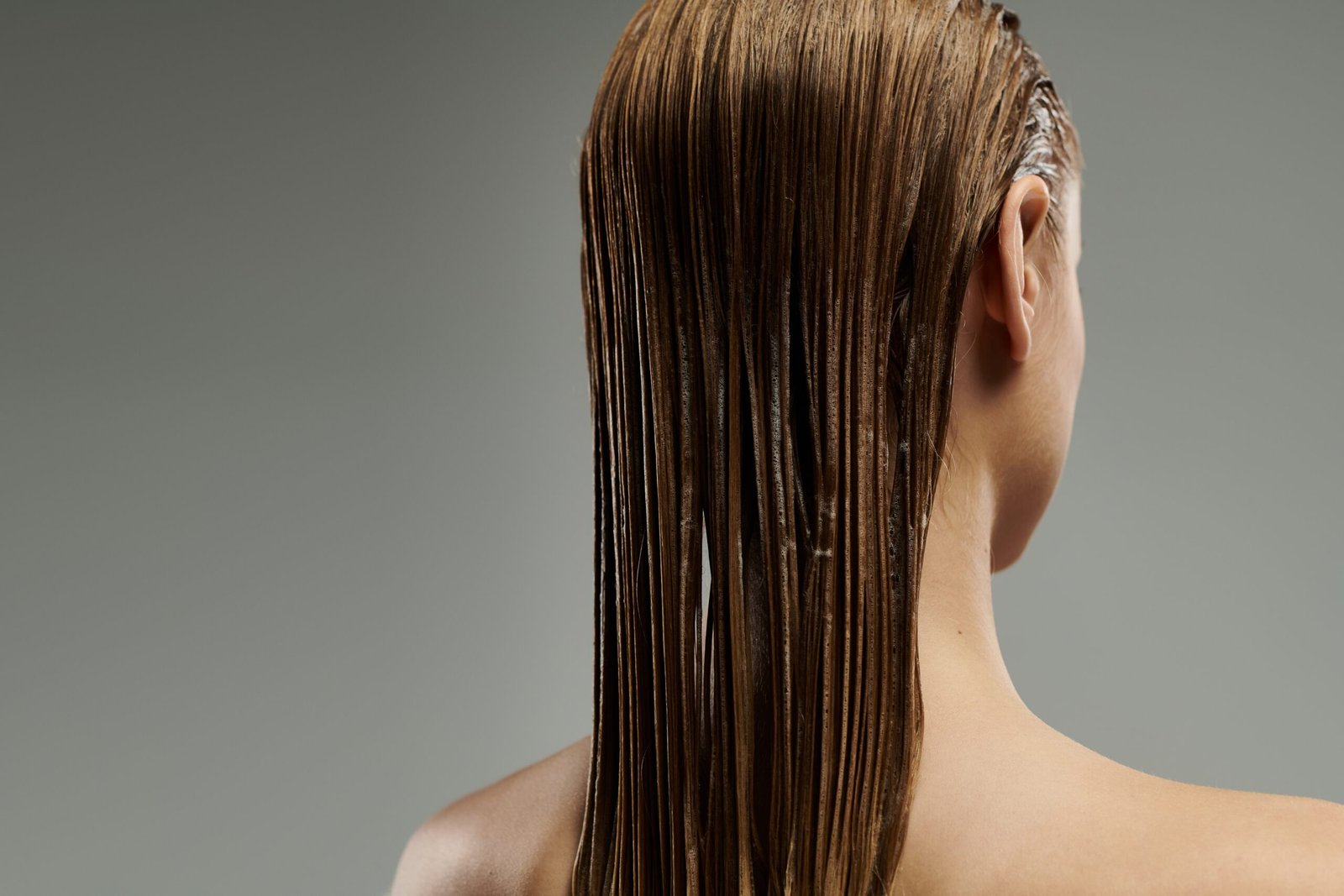
Your cozy habit of collapsing into bed with damp hair may be turning your pillow into a slow-motion petri dish for breakage, rashes, and breakouts.
Story Snapshot
- Why wet hair at bedtime supercharges breakage, tangles, and long-term thinning
- How a damp scalp feeds yeast, dandruff, and fungal infections while you sleep
- The hidden link between wet hair, dirty pillowcases, and stubborn facial breakouts
- Simple before-bed tweaks that protect your hair, scalp, and skin without adding hassle
Why Your Pillow Hates Your Wet Hair
Hair looks its glossiest right out of the shower, but biologically it is at its weakest when it is wet. Experts explain that water temporarily breaks the hydrogen bonds inside each strand, which makes hair more elastic but also more fragile and prone to snapping. Add eight hours of tossing, turning, and grinding those softened strands into a pillowcase, and you get a perfect setup for split ends, tangles, and long-term structural damage that creeps up over months, not days.
That friction problem only grows if you already color, curl, or heat-style your hair. Chemically processed hair has a rougher cuticle and weaker internal bonds, so when it stays wet against cotton, the fibers catch and snag repeatedly. Many people blame age or hormones for increased shedding, but stylists see a direct pattern: clients who routinely sleep with damp hair show more breakage along the mid-lengths and ends, even if their overall health and products remain unchanged. The damage is incremental, but it is consistent.
Your skin deserves care that works, start now.
The Warm, Damp Scalp Microclimate You Do Not Want
Underneath that hair, your scalp is running its own ecosystem. When you go to bed with a damp scalp pressed into a warm pillow for hours, you create an ideal breeding ground for microorganisms that normally stay in balance. Dermatologists point in particular to Malassezia, a yeast that naturally lives on the scalp but can overgrow in moist, occluded environments. Once that balance tips, you see scalp irritation, itching, and chronic flakes that many people mistake for simple dryness.
For those with naturally oily roots or already sensitive skin, the risk climbs further. A constantly moist environment around the follicles can encourage folliculitis, where hair follicles become inflamed, bumpy, and sometimes tender. People with compromised skin barriers or eczema are especially vulnerable, because their skin has a harder time defending against yeast and bacteria in the first place. The result is a frustrating cycle of redness, bumps, and flares that often leads to more products and prescriptions, while the core trigger—regularly sleeping with a damp scalp—quietly continues.
Discover your personalized skin treatment plan.
How Wet Hair Sabotages Your Skin While You Sleep
The problem does not stay under your hairline. Moisture from wet hair wicks into your pillowcase, which already collects oil, sweat, and dead skin cells overnight. That dampness helps bacteria, fungi, and even dust mites thrive more easily in the fabric. When your face presses into that same spot night after night, especially if you sleep on your side or stomach, you expose pores and already-irritated skin to a dense mix of microbes and debris for hours at a time.
Dermatologists warn that this can aggravate acne, including so-called fungal acne, which is driven more by yeast than by typical bacteria. Those tiny, uniform bumps that never quite clear, or the patches that seem to flare after you “sleep on it,” often line up with a pillowcase that stays damp several nights a week. People with eczema or easily inflamed complexions may see more frequent or more intense flares because the skin is forced to repair itself against constant low-level insult from that moist, contaminated fabric.
Smarter skin care powered by AI.
Simple Adjustments That Protect Hair, Scalp, and Skin
The fix does not require a complicated salon routine or expensive gadgets. Stylists recommend starting with a thorough towel dry to remove as much surface water as possible without aggressive rubbing that frays the cuticle. A leave-in conditioner or lightweight protective product can help cushion the strands from friction later in the night. Once the hair is just damp rather than wet, a quick blow-dry on low heat or cool setting finishes the job without the high-heat damage many people fear.
For those who prefer minimal heat, loosely braiding mostly dry hair before bed can reduce tangling and friction while still allowing air to circulate. The key is avoiding tight, traction-heavy styles that pull on the roots. Pair these steps with regular pillowcase changes, especially if you are prone to breakouts or scalp issues. That “simple routine swap,” as professionals describe it, turns bedtime from a slow-cooking environment for yeast and bacteria into a neutral space where your hair, scalp, and skin can actually repair instead of constantly defend.
Sources:
Skin and Hair | Fox News Health
This Daily Beauty Routine Could Be Ruining Your Hair, Experts Warn | Fox News
Bacteria | Fox News Science
Eczema | Fox News Health