What if your next weight-loss shortcut left you lighter, but not in the ways you might expect—and what if the real story behind the viral watermelon diet trend is far juicier than the fruit itself?
Story Snapshot
- The watermelon diet is exploding across TikTok as a fast weight-loss and detox trend.
- Experts warn it’s unsustainable, potentially unhealthy, and could backfire on your body.
- Claims of dramatic weight loss are mostly water and muscle loss, not true fat reduction.
- Nutritionists highlight watermelon’s hydration and detox benefits but caution against exclusive use.
Watermelon Diet: The Trend That’s Got Everyone Talking
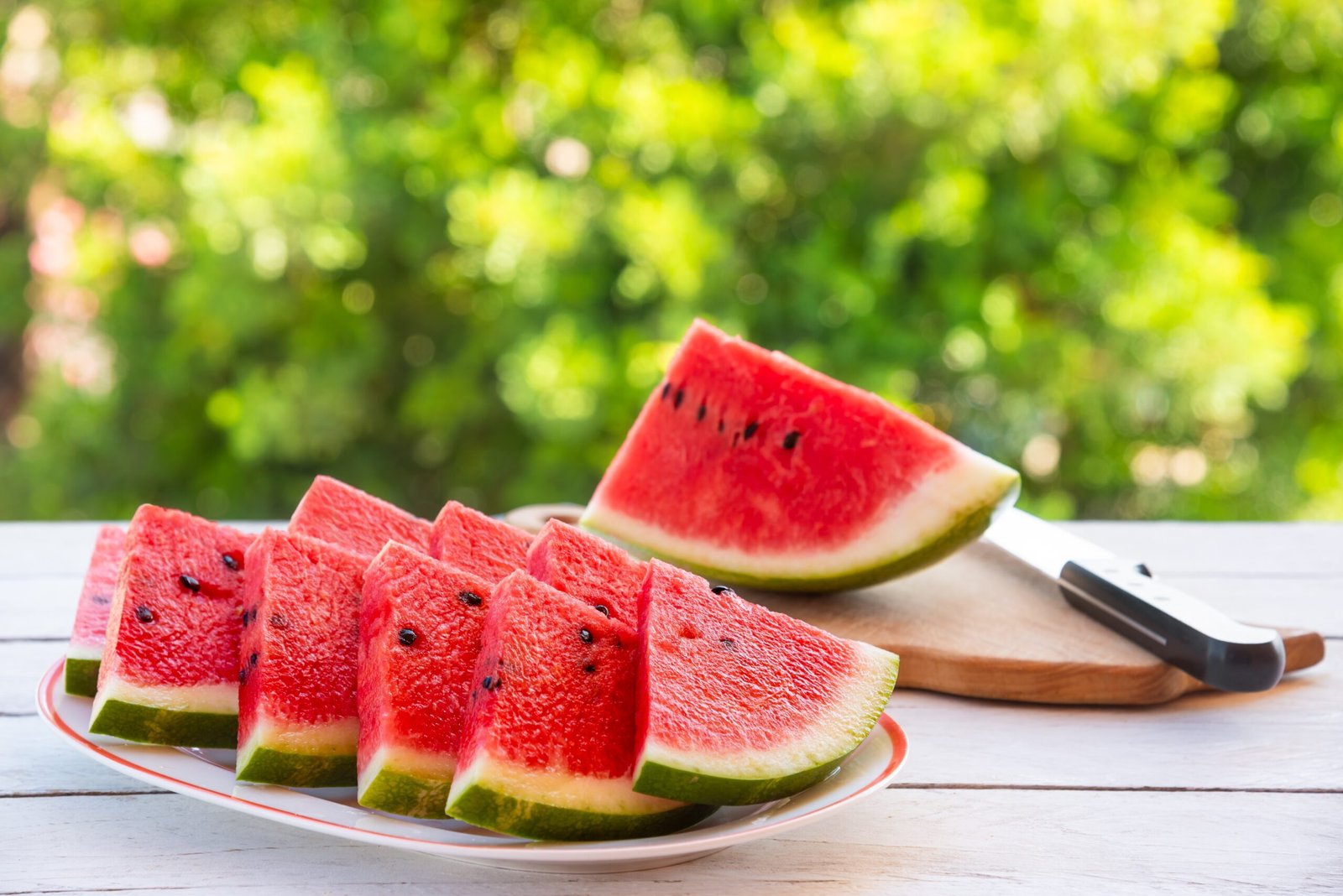
Social media, especially TikTok, has become the launchpad for the watermelon diet—a regimen that promises rapid weight loss and detoxification by consuming only watermelon for several consecutive days. Videos from enthusiastic creators show people committing to three, five, or even seven days of nothing but watermelon, often celebrating several pounds shed on their final weigh-in. The appeal lies in its simplicity and the allure of immediate results. Yet, as more jump on the bandwagon, questions swirl about its safety and effectiveness.
Watermelon’s reputation as a hydrating, low-calorie snack is well earned, especially during sweltering summer months. Its high water content makes it ideal for staving off dehydration, and its sweet flavor offers satisfaction without the density of heavier foods. The fruit provides l-citrulline and potassium, which aid in circulation and flushing excess sodium from the body, potentially reducing bloat for those accustomed to salty, processed foods. Athletes sometimes turn to watermelon to support muscle recovery and minimize puffiness.
The Expert Verdict: Risks Behind the Sweet Facade
Dr. Mark Hyman, a Texas-based physician and co-founder at Function Health, cautions that the watermelon diet is just the latest in a parade of quick-fix fads promoted online. He points out that while watermelon can be a healthy component of a balanced diet, relying on it exclusively is not only unsustainable but may damage health. Watermelon is mostly water and sugar, which means critical nutrients such as protein, healthy fats, and fiber are absent. The immediate weight loss observed is largely due to loss of water and muscle tissue, not fat. Hyman emphasizes that the goal should be long-term lifestyle improvements, not fleeting changes driven by internet trends.
The human body is remarkably efficient at detoxifying itself naturally. Hyman advises that “real food”—including vegetables, clean protein, healthy fats, and fiber—combined with quality sleep, stress management, and movement, provides a sustainable path to lifelong wellness. He warns that health advice from social media algorithms rarely aligns with actual science, and what’s trending online isn’t necessarily good for your body.
Nutritionists Weigh In: More Than Just Sugar Water
Los Angeles-based dietitian nutritionist Ilana Muhlstein elaborates on watermelon’s specific benefits. She notes that consuming 12 to 14 cups a day, as some TikTok users do, delivers about six to seven cups of water from the fruit alone. This intense hydration can stimulate bowel movements and urination, natural detoxification pathways. L-citrulline in watermelon aids blood flow and muscle recovery, while potassium helps to eliminate excess sodium and reduce water retention.
Muhlstein, while acknowledging these benefits, is clear that the watermelon diet’s risks overshadow its promises. Eating only watermelon can lead to muscle loss within just 24 to 72 hours, due to the lack of protein. The absence of sodium and excess potassium may create electrolyte imbalances, resulting in headaches, dizziness, and general weakness. The high sugar content can cause blood sugar spikes and crashes, affecting mood, focus, and sleep. She recommends enjoying watermelon as part of a balanced meal, not as the sole dietary staple.
The Real Weight-Loss Story: Beyond Viral Fads
Watermelon’s journey from picnic favorite to viral diet centerpiece illustrates the power and peril of social media-driven health advice. Both Hyman and Muhlstein stress that health is personal, and trendy shortcuts are seldom the answer. The appeal of a dramatic, quick drop on the scale is strong, but the reality is more complex—and potentially dangerous. Sustainable weight loss and wellness require a diverse diet, consistent healthy habits, and skepticism toward internet fads. The watermelon diet may leave you lighter, but the lesson is heavier: real change comes from lasting commitment, not fleeting trends.
Sources:
Watermelon for weight loss is a new trend
THIS JUICY SUMMER FRUIT HELPS BEAT THE HEAT WHILE BOOSTING HEART AND BRAIN, EXPERTS SAY