The BILLIONS of Plastics in Your Daily Teath—unless it’s laced with hidden microplastics that could undermine every benefit you expected and more.
Story Snapshot
Tea’s revered health benefits include weight loss, muscle building, and longevity.
Microplastics from tea bags threaten to turn your daily ritual into a health hazard.
Plastic-free tea bag solutions promise safety without sacrificing convenience.
Most popular tea brands use plastics in their bags, risking widespread exposure.
Tea’s Legacy: Tradition, Health, and Unexpected Perils
Generations have treasured tea for its flavor and its legacy. In Britain, tea built empires and fueled revolutions, but science now reveals its real gifts: catechins and phenols that speed metabolism, help build muscle, and even extend life. Japanese researchers have shown that tea extracts push brown fat cells—the body’s built-in furnaces—to burn more energy, making weight loss easier even as comfort food beckons. Green tea, favored by athletes and the elderly alike, can boost muscle mass and strength through mechanisms that may keep testosterone flowing longer and adrenaline surging during workouts. Longevity studies of Chinese adults indicate that just three cups of green tea each week could add more than a year to your life by protecting blood vessels and reducing mortality risk by 15 percent. These benefits, widely published and often cited, have made tea more than a tradition—it’s a daily ritual for health-conscious people worldwide.
The pleasure of tea, however, now collides with a modern threat few drinkers consider: microplastics. The very tea bags designed for convenience may deliver billions of microplastic and nanoplastic fragments into every steaming cup. Scientists estimate that a single plastic tea bag can release 11.6 billion microplastic pieces and 3.1 billion nanoplastic fragments—so tiny they infiltrate organs from the liver to the brain. Researchers have linked microplastic exposure to chronic illnesses including Alzheimer’s, autism, heart disease, and irritable bowel syndrome. The infamous metric—a credit card’s worth of plastic ingested each week—means tea drinkers might unwittingly dose themselves with more than antioxidants. Microplastics accumulate and disrupt, making every brew brewed with a plastic-infused bag a potential health risk.
Tea Bags: The Hidden Source of Microplastics
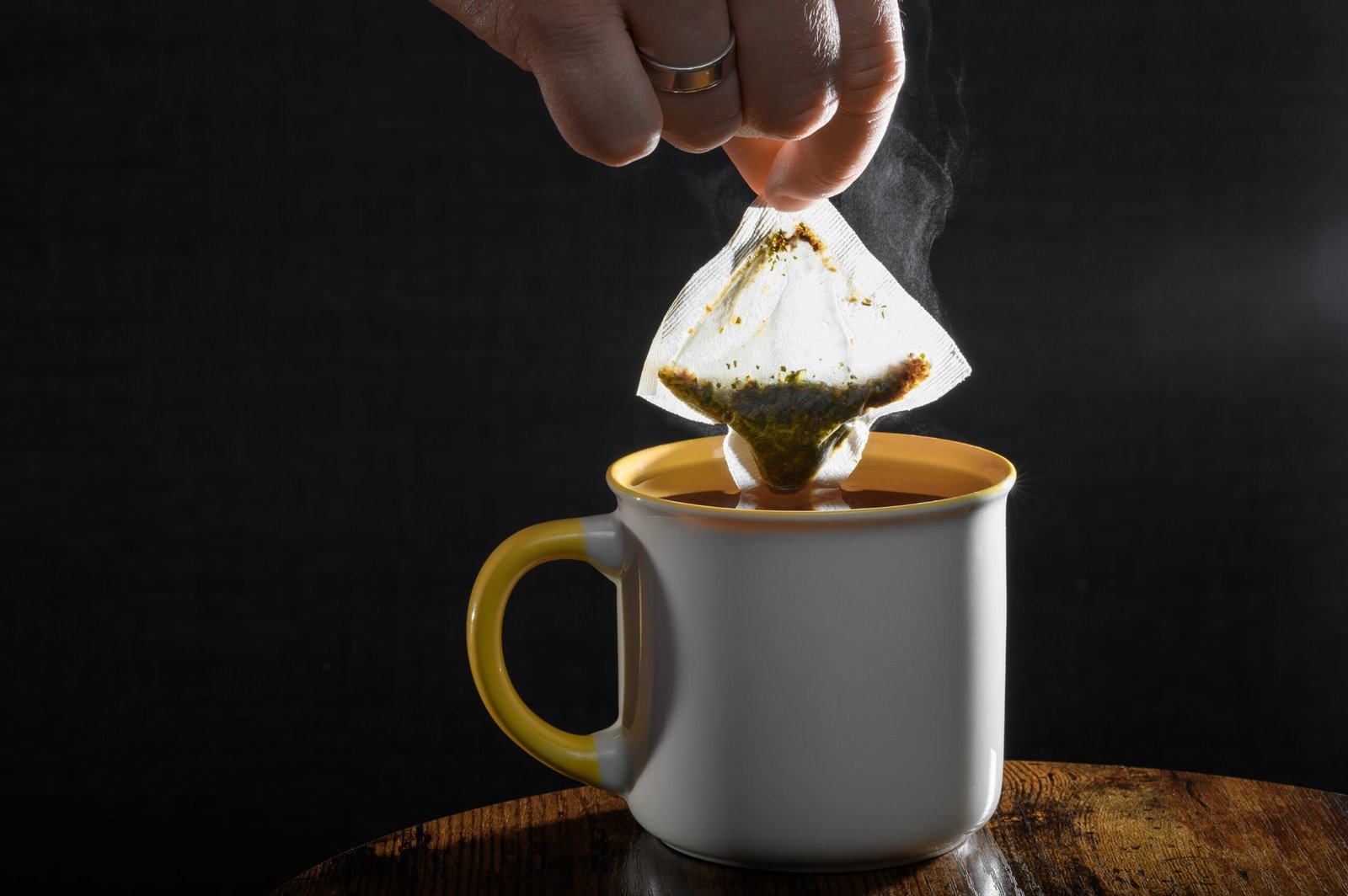
The threat isn’t just theoretical. An investigation into popular UK tea brands found that most use polypropylene or nylon in their tea bags, either woven into the fabric or as glue to seal the seams. Food-grade plastics, typically considered safe, begin to deteriorate at temperatures above 40 degrees Celsius—yet tea is almost always brewed near boiling. The result is rapid breakdown and leaching of plastic particles into the cup. While loose-leaf tea provides a safer alternative, its inconvenience and cleanup deter many. Most still reach for the humble tea bag, unaware of the hidden dangers lurking within that familiar pouch.
Plastic contamination is pervasive. Recent studies uncovered microplastics in every tested human and canine testicle, raising urgent questions about fertility, hormone health, and more. The persistence and pervasiveness of microplastics demand a practical solution, not just for tea lovers but for anyone concerned about everyday exposure to synthetic chemicals.
A Solution Without Sacrifice: Plastic-Free Tea Bags
Tea drinkers seeking the health benefits of their ritual without the plastic risk now have options. Brands like Kindred Harvest—founded by those frustrated with the status quo—offer organic teas in 100% plastic-free bags. These products undergo independent testing for heavy metals, ensuring a purity often lacking in mass-market blends. With a range of flavors from classic black and green to creative blends like Sleep Tea, this approach preserves all the convenience of tea bags while eliminating microplastics from the equation. Sleep blends featuring chamomile, lemongrass, spearmint, and lavender even address another overlooked aspect of health: quality rest, which correlates with higher testosterone and better overall wellness.
The movement toward plastic-free packaging is gaining ground, promising that tea’s tradition of health and comfort can survive the hazards of modern manufacturing.
Tea’s ancient legacy is being reshaped by new science and new threats. For the millions who cherish their daily cup, the choice is clear: embrace the health benefits of tea, but demand that your ritual remain free from invisible plastics. The future of tea is not just about the blends you drink, but the safety and integrity of every sip—because no tradition should come with a hidden health cost.
Sources:
Japanese researchers on tea catechins and energy expenditure
Brazilian study on green tea and muscle mass
Population study on tea and longevity
Microplastics and chronic disease research
UK tea brands and plastic content