
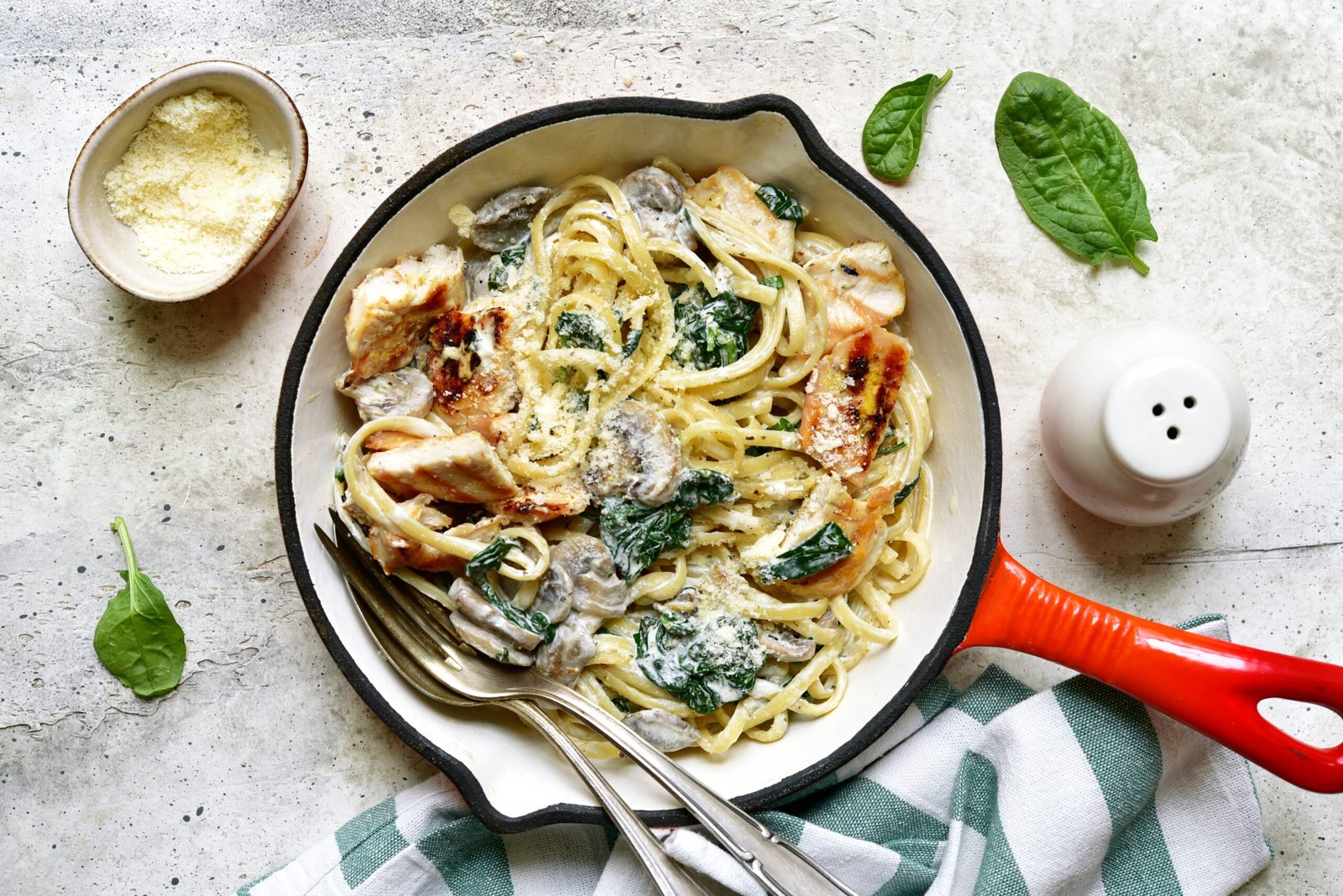
Spinach might be the most overlooked superpower you can sneak into your pasta—transforming a comfort food into a stealthy anti-inflammatory weapon you’ll actually crave.
Story Snapshot
- Spinach packs antioxidants, fiber, and nitrates, making it a dietitian-approved anti-inflammatory upgrade for pasta.
- Chronic inflammation underpins many major diseases, but everyday foods can help turn the tide.
- Spinach is freezer-friendly, easy to add, and flavor-flexible—no chef skills required.
- Other pasta-friendly anti-inflammatory boosters include garlic, olive oil, lentils, mushrooms, and salmon.
Spinach: The Secret Defender in Your Pasta Bowl
Everyday pasta dishes rarely get accused of defending your health. Yet, slip in a handful of spinach and you’ve just recruited a leafy, green bodyguard loaded with antioxidants. Vitamins C, E, lutein, and zeaxanthin found in spinach are proven to neutralize free radicals—molecular bullies that stir up cellular damage and inflammation. These nutrients don’t just guard your insides; they also help protect aging eyes from macular degeneration, a leading cause of vision loss among adults over 50.
Spinach’s mild flavor and rapid wilting make it nearly invisible in a red sauce or olive oil sauté, so even picky eaters won’t protest. Keep a stash in your freezer and you’ll always have the option to add a nutritional shield to last-minute meals. Dietitians like Alyssa Smolen and Lisa Andrews praise spinach for its versatility and stealth—there’s no need to overhaul your dinner routine or trick your taste buds into eating “health food.”
Why Chronic Inflammation Matters—And How Spinach Fights Back
Unchecked inflammation is the shadowy culprit behind diabetes, heart disease, cancer, and Alzheimer’s disease. But the solution isn’t found in exotic supplements or restrictive diets; it’s in everyday grocery staples. Spinach stands out for its fiber content, which feeds gut bacteria. A thriving, diverse gut microbiome is now recognized as a crucial player in immune regulation and inflammation control.
Even a modest half-cup of cooked spinach delivers two grams of fiber, about seven percent of your day’s needs. Swap white pasta for whole wheat, and the fiber count climbs higher, compounding the benefit. Fiber also helps prevent blood sugar spikes and supports heart health—a simple tweak with outsized impact for Americans over 40 who want to stay ahead of chronic issues without complicated meal plans.
Nitrates in Spinach: Nature’s Blood Pressure Regulator
Spinach is rich in dietary nitrates, which your body converts to nitric oxide—a molecule that keeps blood vessels flexible and blood pressure in check. Research suggests that a nitrate-rich diet reduces inflammation markers and supports cardiovascular health. While the full extent of nitrate’s anti-inflammatory power is still under study, the evidence so far is compelling enough for nutrition experts to recommend spinach as a daily staple, especially for older adults concerned about heart health.
Adding spinach to pasta is a practical, low-effort way to harness these benefits. Simply stir handfuls into hot noodles; the leaves wilt in moments, infusing your meal with nutrients and a subtle earthiness that pairs well with everything from tomato sauce to creamy garlic sauces.
Expand Your Anti-Inflammatory Arsenal: Pasta Toppings That Work Overtime
Dietitians recommend reinforcing your pasta’s anti-inflammatory profile with other powerful ingredients. Mushrooms supply ergothioneine, a rare antioxidant linked to reduced risks of heart disease. Garlic brings sulfur compounds like allicin, which have documented immune-boosting and inflammation-fighting effects. Lentils not only boost fiber and protein but also offer polyphenols, plant compounds tied to lower inflammation and better blood sugar control.
Olive oil, a Mediterranean staple, is loaded with heart-healthy fats and antioxidants that lower inflammatory markers. Salmon crowns the list, offering omega-3 fatty acids—perhaps the most famous inflammation fighters of all. These ingredients don’t just layer on flavor; they turn an ordinary pasta night into a strategic defense against the ravages of aging and chronic disease.
Sources:
Alzheimer’s disease and chronic inflammation
Spinach helps lower inflammation