What if the next time you get a gel manicure, you’re exposing yourself—and your nail technician—to a chemical so controversial it’s now banned across Europe, but still legal in US salons?
Story Snapshot
- The European Union has banned Trimethylbenzoyl Diphenylphosphine Oxide (TPO) from all cosmetics, including gel nail polishes, effective September 1, 2025.
- TPO is linked to cancer and reproductive harm in animal studies, sparking global debate on salon safety.
- The US has not banned TPO, prompting questions about regulatory standards and consumer protection.
- The ban is forcing manufacturers and salons to seek safer alternatives and rethink industry practices.
EU Draws a Regulatory Line: TPO’s Exit from Nail Salons
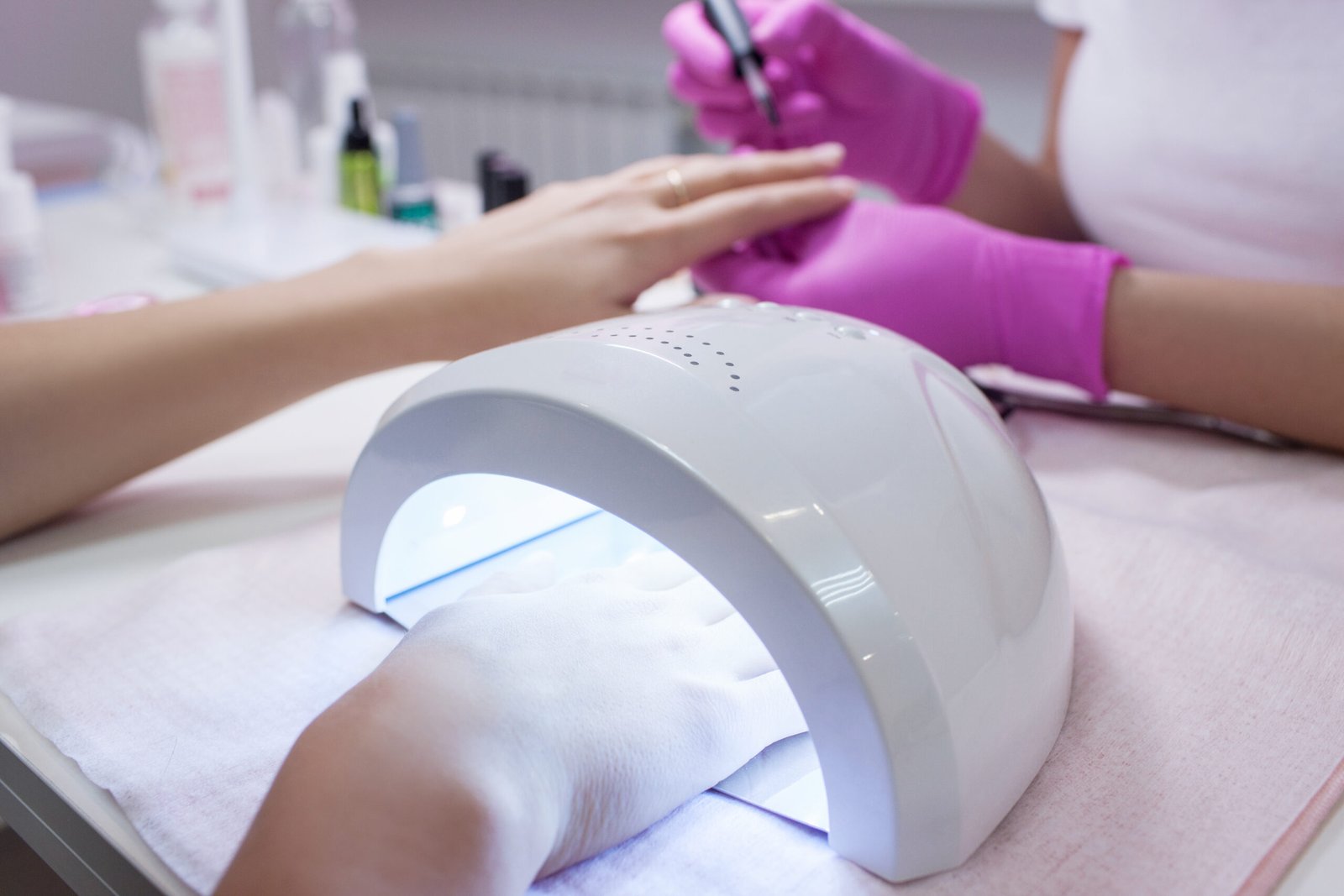
Across Europe, nail salons and cosmetic counters are scrambling. Starting September 1, 2025, the chemical TPO is no longer permitted in any cosmetic product sold or applied in the European Union. TPO gives gel polish its durable, glossy finish by curing under UV light, a technical feat prized by customers and professionals alike. But regulators, citing animal studies that link TPO to cancer and reproductive harm, have labeled it a Category 1B CMR—carcinogenic, mutagenic, or toxic for reproduction—triggering a legal ban that’s upending the beauty industry’s playbook.
Manufacturers who once relied on TPO’s efficiency must now reformulate their gel products or risk losing access to Europe’s lucrative market. Nail technicians face a rapid transition, with new training, supply chain headaches, and anxious clients questioning the safety of their favorite services. The EU’s move fits a familiar pattern: act on precaution, even when the evidence comes mainly from animal—not human—studies. For US consumers, the question isn’t just about what’s in their manicure, but why regulators interpret risks so differently.
Inside the Science: What We Know—and What Remains Unclear
TPO’s rise traces back to the early 2000s, when gel manicures became a mainstay for those seeking chip-free nails. The chemical’s ability to harden polish quickly under UV lamps made it a go-to for salons worldwide. But as popularity soared, so did exposure—particularly among salon workers who handle gel products daily. Animal studies began raising alarms: TPO exposure appeared to disrupt fertility and hormone systems, with researchers warning about cumulative risks. European regulators responded by reclassifying TPO as high-risk, triggering its ban under EU law. Still, direct evidence of harm in humans remains limited; most studies focus on high doses not typically encountered in salon settings.
US health experts and the FDA maintain that available data do not justify an outright ban, emphasizing the need for more human studies. Dermatologists warn that repeated, long-term exposure—especially for workers—is a concern. Some American salons are taking matters into their own hands, phasing out TPO-containing products even without regulatory pressure. The tension between consumer demand for convenience and growing health uncertainties is palpable, with worker safety now front and center in the debate.
Regulatory Divergence: EU Precaution vs. US Proof
The split between European and US approaches is stark. The EU often restricts chemicals based on animal studies and a “better safe than sorry” philosophy. The US typically waits for direct proof of harm in humans before acting, a stance that leaves TPO legal and widely used in American nail salons. This regulatory gap is fueling confusion and concern. US manufacturers must decide whether to reformulate for global compliance or risk losing European customers. Salon owners and technicians are caught in the crossfire, fielding questions from wary clients and weighing the cost of switching products.
Advocacy groups are leveraging the EU ban to push for greater transparency and stricter safety standards in the US. Some industry insiders argue the EU’s move is premature, given the lack of conclusive human data. Others point to history: from parabens to formaldehyde, Europe has often led the way in banning ingredients later restricted elsewhere. The debate is no longer just about polish—it’s about how societies balance innovation, consumer choice, and health protection.
Who Pays the Price—and Who Will Lead the Change?
Nail salon technicians, predominantly women and minorities, face the highest exposure and health risks. The EU ban promises occupational health benefits, while US workers remain in limbo, reliant on voluntary action or state-level rules. Consumers may see prices rise as reformulation costs ripple through the industry. Manufacturers face a reckoning: innovate or lose access to Europe’s market, potentially setting a precedent for global change. The controversy is accelerating research into safer alternatives, with chemists and dermatologists calling for more studies to clarify real-world risks.
The broader impact is a new level of scrutiny on cosmetic safety. The ban has ignited public debate, heightened demand for transparency, and pressured regulators to reconsider the old “wait for proof” approach. Whether the US follows Europe’s lead remains uncertain, but the conversation has shifted. Manicures may look the same, but the safety calculus behind them is changing—one ingredient at a time.
Sources:
Fox News: Is Your Manicure Safe? Chemical Banned from Nail Salons for Health Dangers
Axios: Gel Nail Polish TPO EU Ban
CBS News: Europe Bans Nail Polish Chemical Over Health Concerns, U.S. Still Allows Ingredient