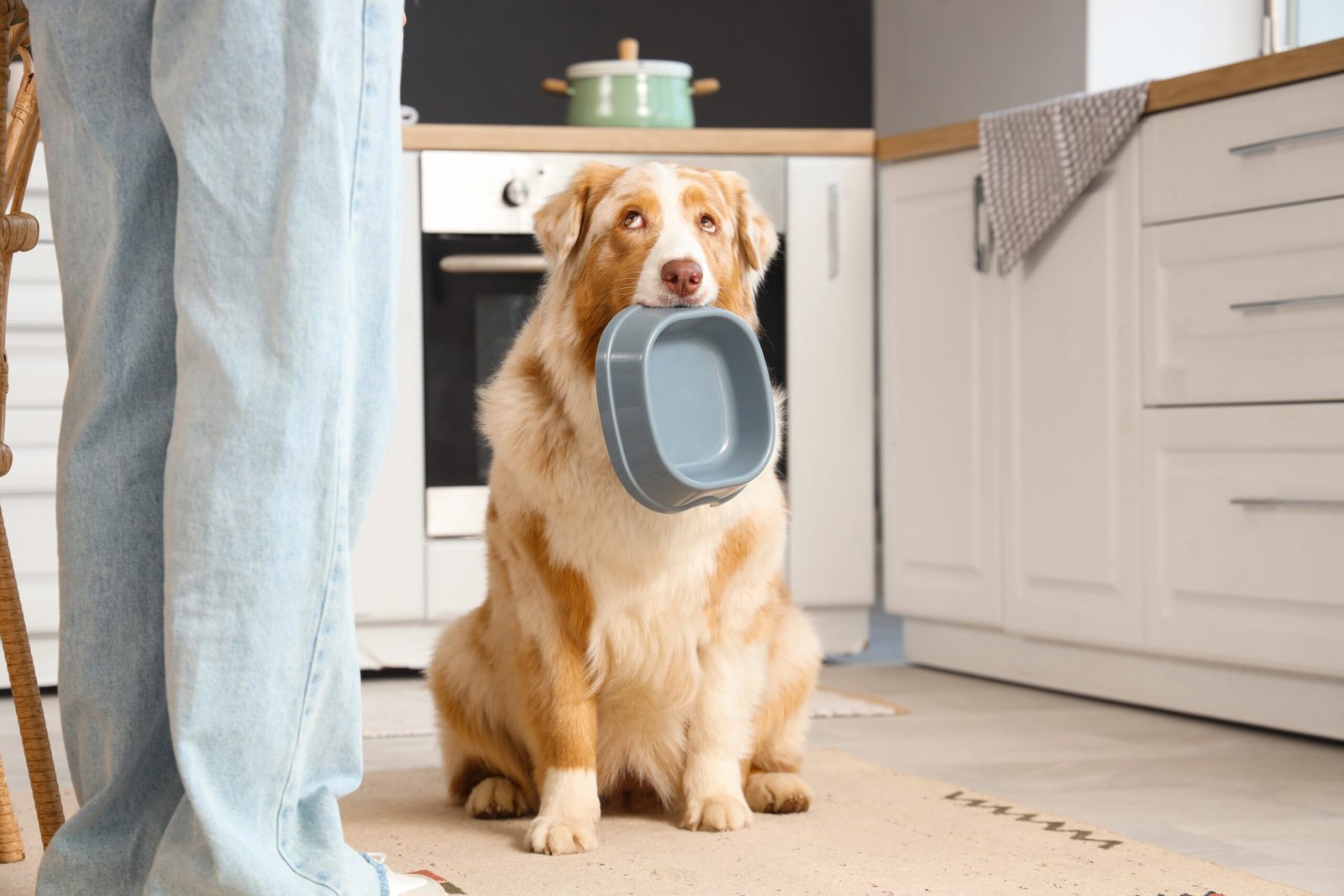
Your dog’s water bowl may hold clues about unseen contaminants in your drinking water.
Story Overview
- New research highlights potential contamination in pet water bowls.
- The study raises concerns about broader water quality issues.
- Pet owners urged to be vigilant about water sources.
- Implications extend beyond pets to human health risks.
Understanding the Study
A recent study has sparked concern among pet owners, revealing that the water in your dog’s bowl might be more than just a thirst quencher. Researchers have discovered significant levels of contaminants in the water that our furry friends consume daily. This study suggests that what’s affecting our pets could also be lurking in the water we drink. The findings are prompting a closer examination of the quality of water in households and public areas.
The contaminants identified in the study include various chemicals and pathogens that are harmful to both pets and humans. These findings are vital because they suggest that the water quality issues we often overlook could have serious health implications. The study urges pet owners to consider the sources of their pets’ water, suggesting that tap water may not always be the safest option. This revelation has led to a broader conversation about water purity and safety standards.
Impact on Pets and Humans
The health of pets serves as a canary in the coal mine for human health issues. If our pets are drinking contaminated water, it stands to reason that humans might be exposed to similar risks. Pets, due to their smaller size and different metabolism, can show symptoms of contamination more quickly than humans. Symptoms such as vomiting, diarrhea, and lethargy in pets could be early warning signs of water contamination.
For humans, long-term exposure to contaminated water can lead to serious health problems, including gastrointestinal illnesses, reproductive issues, and neurological disorders. The study suggests that the presence of contaminants in pet water bowls should prompt immediate action to check and improve water quality for both human and animal consumption.
What Pet Owners Can Do
Pet owners are encouraged to take proactive measures to ensure the safety of the water their pets consume. This includes using filtered water, regularly cleaning water bowls, and conducting tests on their home water supply if contamination is suspected. Simple steps like these can significantly reduce the risk of exposing pets and family members to harmful substances.
https://twitter.com/pethealthinsights
Additionally, staying informed about local water quality reports and participating in community discussions about water safety can empower individuals to advocate for better water standards. As awareness grows, so too does the potential for policy changes that prioritize the health of both pets and humans.
Sources:
Is Your Dog Drinking Contaminated Water? New Study Raises Concern