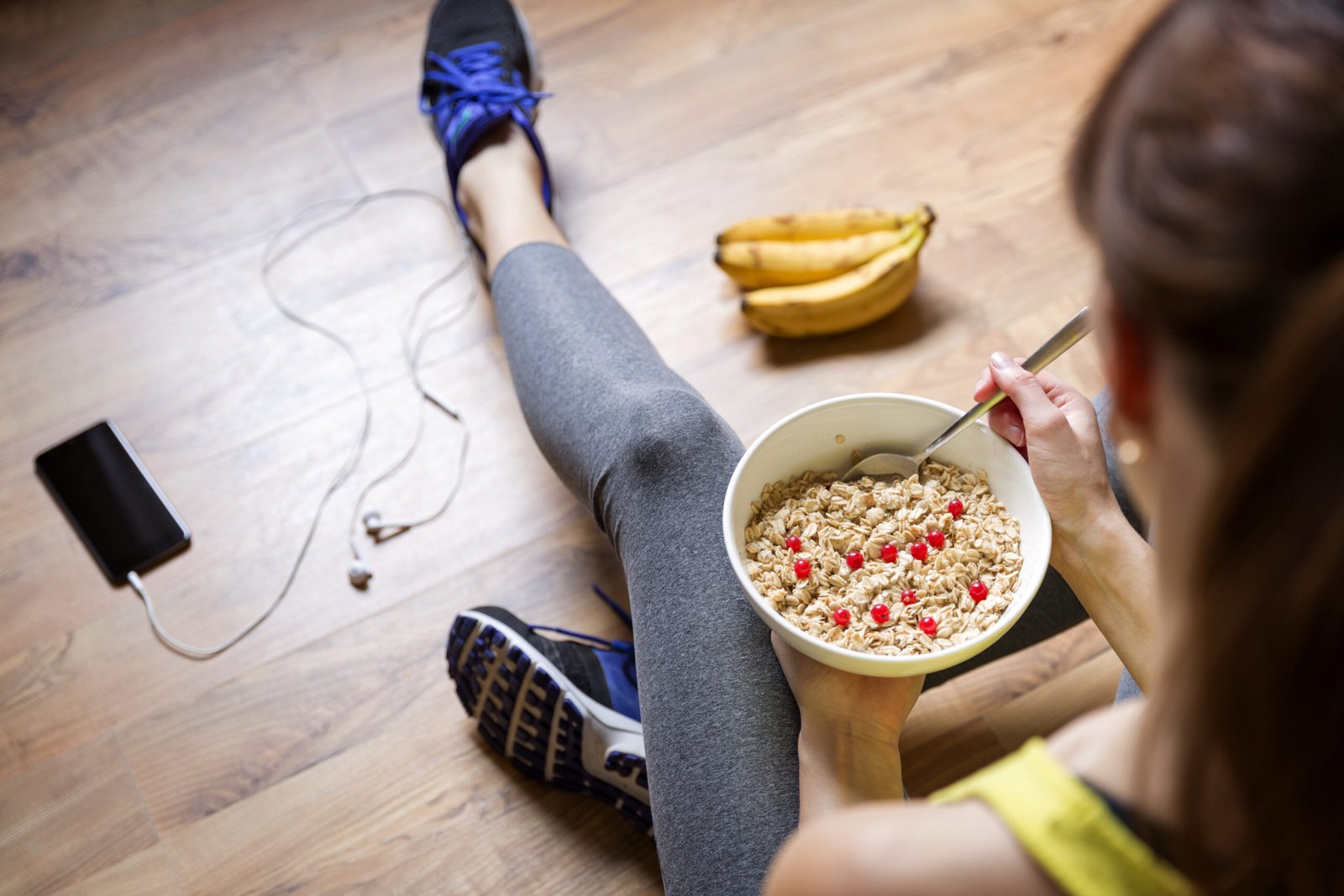
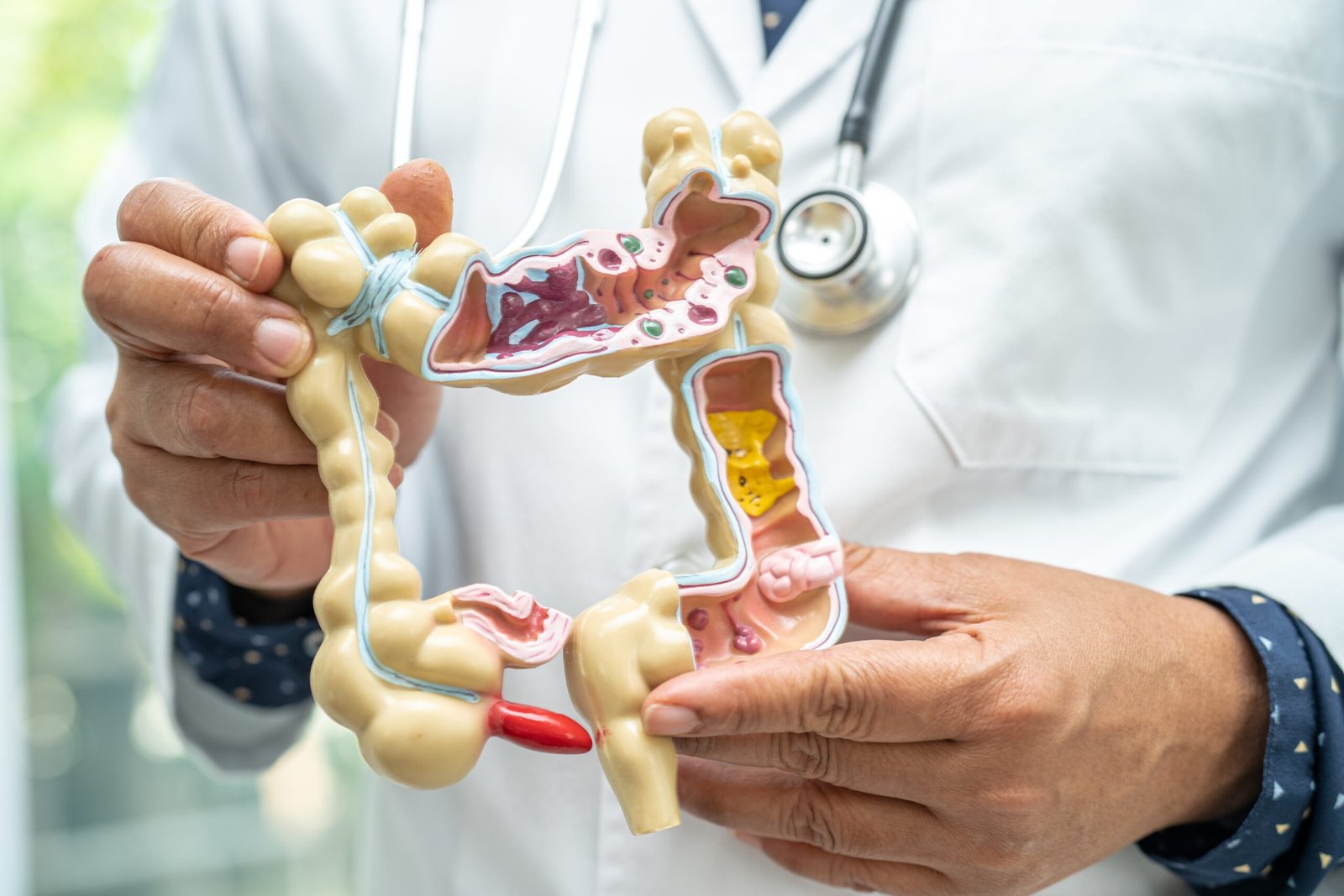
Your gut is only as strong as the one ingredient almost everyone in America chronically skips: fermentable fiber that feeds your microbes before it ever feeds you.
Story Snapshot
- Most adults starve their gut microbes by undershooting basic fiber targets
- New microbiome science shows specific fermentable fibers act like fuel for “next‑generation” beneficial bacteria
- These fibers help generate short-chain fatty acids that support immunity, metabolism, and gut integrity
- Media say “take a probiotic”; the research keeps saying “feed the ones you already own”
Why your gut is begging for this one ingredient
Every headline about gut health promises some exotic probiotic, but your existing microbes are quietly dying for lack of something far less glamorous: fermentable dietary fiber that functions as a prebiotic. Large reviews of probiotics and microbiome science show the same pattern: beneficial gut species only thrive when they have the right carbohydrate “substrates” to chew on, especially complex plant fibers and oligosaccharides that your own enzymes cannot digest. Skipping that fuel is like owning a Ferrari and never buying gas.
https://www.youtube.com/watch?v=J9SjqPQL6WM
Research tracking thousands of clinical papers from 2000 to 2025 confirms the microbiome’s reach into inflammation, obesity, insulin resistance, depression, and even cancer. Again and again, the organisms linked with better outcomes are fiber-degraders and butyrate-producers that turn plant leftovers into short-chain fatty acids. Those acids help maintain the gut barrier, calm immune overreaction, and support metabolic regulation. When daily diets slide toward ultra‑processed, low‑fiber fare, those organisms fade, diversity drops, and the whole system tilts toward chronic disease.
Tired of diets that don’t work? Get a personalized plan in minutes.
From “more bacteria” to “better fuel”
Early gut-health marketing sold the idea that more bacteria in a pill automatically meant better health. Current science is blunter: without the proper fermentable fibers, even the smartest “next‑generation” probiotics underperform. Detailed genomic work on promising strains—often strict anaerobes from the human colon—shows elaborate enzyme sets designed to dismantle arabino‑oligosaccharides, xylo‑oligosaccharides, resistant starch, and pectic fragments from plants. These bugs are craftsmen; the fibers are their raw materials. Remove the materials, and the workshop goes quiet.
https://www.youtube.com/shorts/MYqEXXMdbr8
Human trials with butyrate‑producing and lactate‑utilizing bacteria demonstrate tangible benefits, including improved insulin sensitivity, when the microbes are paired with the substrates they evolved to eat. Conferences like the International Scientific Conference on Probiotics, Prebiotics, Gut Microbiota and Health now devote entire sessions to matching prebiotics with specific microbial functions and to defining credible biomarkers of change. That emphasis reflects a hard-nosed conclusion: if public health wants resilient microbiomes, it must close the fiber gap, not just sell higher capsule counts.
Safe science based weight loss no guesswork.
How much fiber are we really missing?
Population data consistently show that average fiber intake sits far below recommended levels across Western countries, and the shortfall is not a minor rounding error. When daily eating patterns lean on refined grains, sweetened beverages, and ultra‑processed convenience foods, the gut ecosystem sees less structural plant material, fewer fermentable carbohydrates, and thinner polyphenol intake. Over time, that pattern selects against the very bacteria known to generate protective short‑chain fatty acids and maintain mucosal integrity. Researchers increasingly suspect this “fiber famine” underpins rising rates of metabolic and inflammatory disorders.
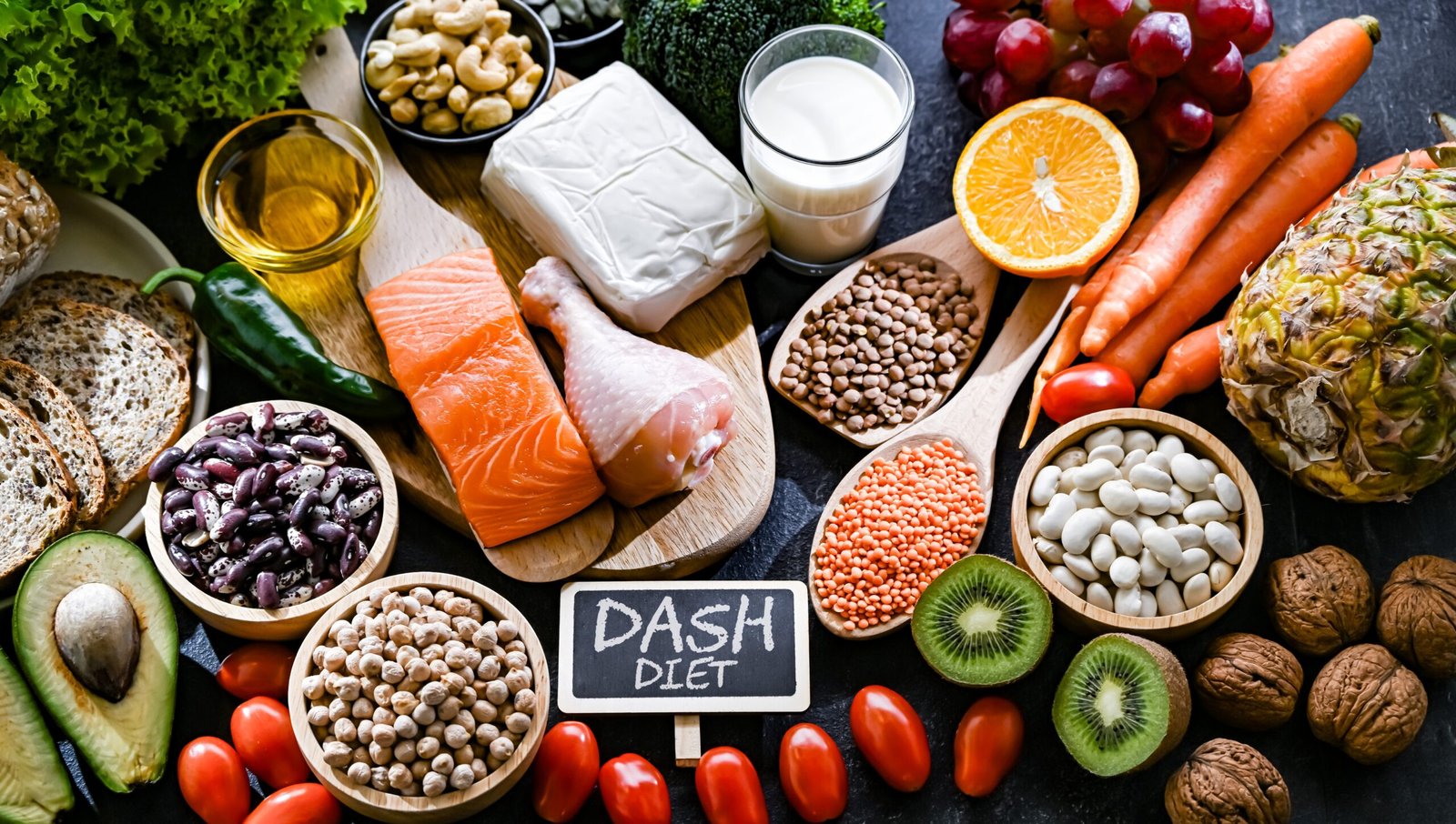
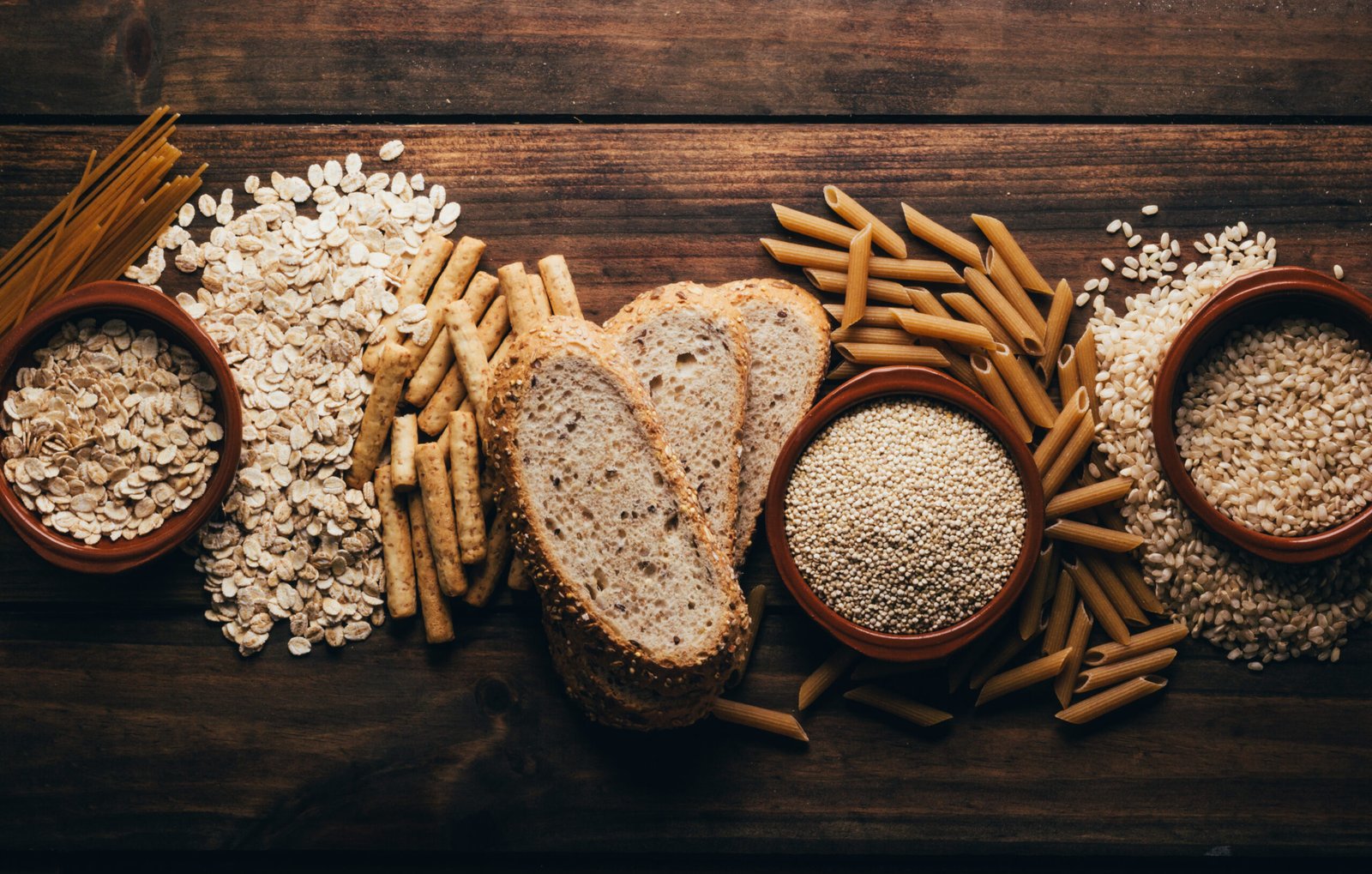
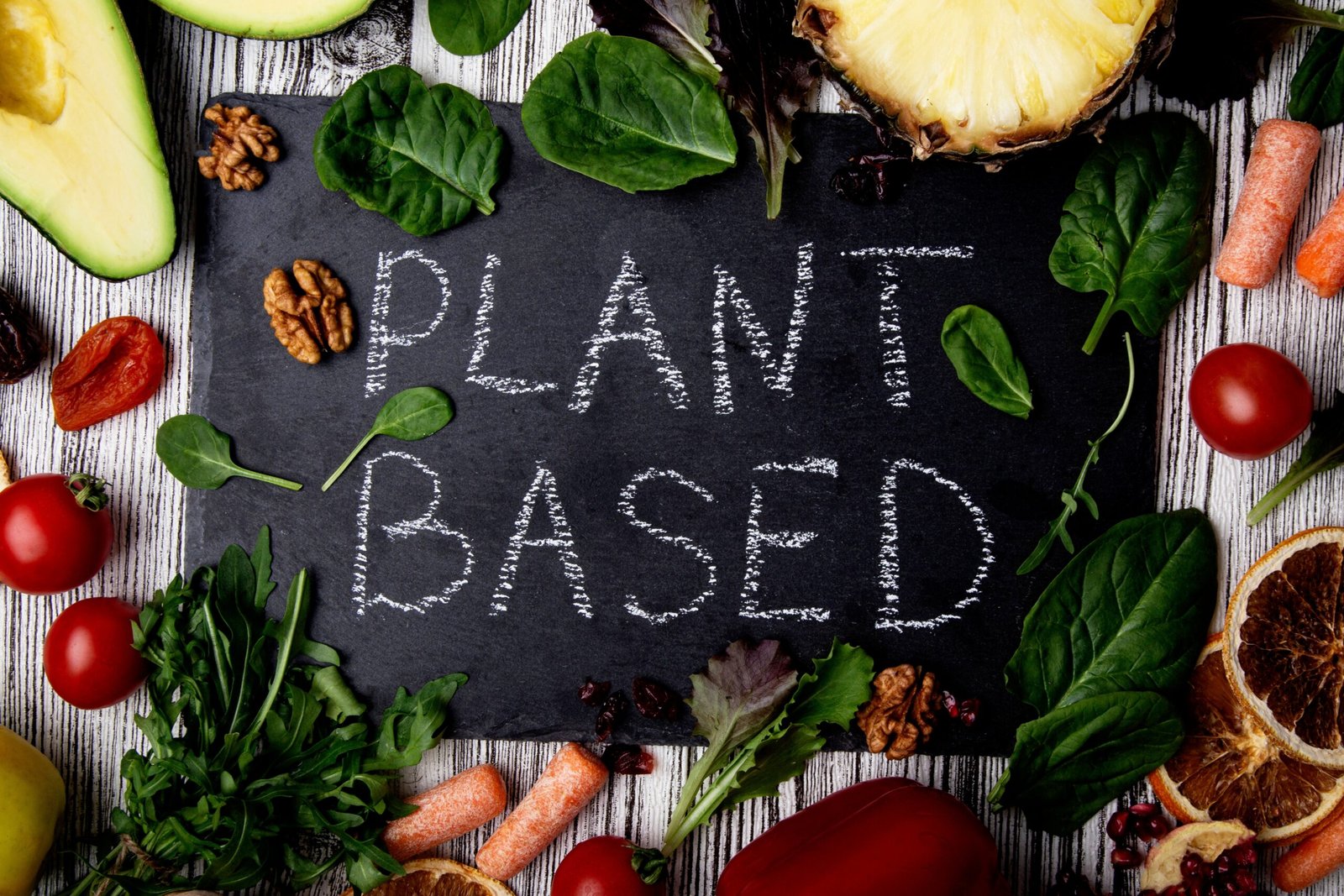
Media outlets love to dramatize villainous ingredients—seed oils, sugar, mysterious additives—while downplaying the more boring deficit: Americans simply do not give their microbes enough work to do. Conservative common sense favors addressing that root cause before chasing boutique fixes. Rebuilding everyday meals around vegetables, legumes, nuts, seeds, and minimally processed grains naturally reintroduces the arabino‑ and xylo‑oligosaccharides and resistant starches highlighted in current microbiome work. That shift costs less than prescription drugs and aligns with longstanding dietary guidelines.
Reach your goals with AI guided medical insight.
What science conferences are whispering that headlines miss
Specialist gatherings now serve as the real weather vane for gut‑health priorities. IPC 2025 focuses on evidence-based health claims, stressing that both probiotics and prebiotics must prove their worth with hard endpoints, not vague “supports wellness” slogans. NeuroGASTRO 2025 highlights links between nutrition, microbiota, and the brain, giving serious attention to how microbial metabolites from fermentable fibers may influence mood and cognition. Across these events, the substrate message keeps resurfacing: no fiber, no function.
Industry‑facing meetings, such as Probiota 2025, echo the same transition in more commercial language, shifting from raw bacteria counts to “metabolic networks” powered by dietary substrates. Ingredient companies now invest in specific prebiotic structures designed to steer microbial communities toward butyrate production, better glucose handling, and more stable immune responses. That trend can drift into hype, but the underlying mechanism respects basic biology: the only sustainable way to cultivate a healthy microbial neighborhood is to feed it what it evolved to eat. Ordinary grocery choices become a quiet but powerful form of self-governance.
Sources:
Frontiers in Nutrition – Clinical applications of probiotics 2000–2025
FEMS Microbiology Ecology – Emerging probiotics: future therapeutics for human gut health
ILSI Europe – Sessions at IPC 2025
PubMed – Next-generation probiotics and their prebiotic substrates
DSM-Firmenich – The future of gut health: 5 breakthrough trends from Probiota 2025
Gut Microbiota for Health – Nutrition and microbiome research highlights from NeuroGASTRO 2025
Wiley – Special Issue Call: Probiotics, prebiotics, and gut microbiota in health and disease