Vinegar face masks, barley water, and goat dung tonics—medieval “health hacks” that sound like TikTok trends, yet their roots reveal the uncanny persistence of human curiosity and folly in the quest for wellness.
Story Snapshot
- Medieval health remedies mirror modern wellness fads in surprising ways.
- Historians recently cataloged hundreds of early medical texts, revealing detox plans, DIY facials, and oddball cures.
- Experts warn that many of these ancient “hacks” are ineffective or outright hazardous.
- Modern fascination with folk remedies persists, even as science exposes their limitations.
Medieval Wellness: Not So Different from Today’s Social Media Trends
Scrolling TikTok reveals a parade of wellness influencers touting detox teas, homemade face masks, and miracle elixirs. Yet the origins of these “new” trends reach far deeper in history than most realize. Historians at Binghamton University have unveiled the Corpus of Early Medieval Latin Medicine, a trove of remedies from 600 to 1000 A.D., and the parallels with current health crazes are striking. Medieval Europeans, lacking microscopes or germ theory, prescribed yearlong detox regimens, face plasters of wheat and vinegar, and digestive drinks—recipes that sound peculiarly familiar to anyone following the latest social media fads.
Herbal “detox” plans from this era bear a suspicious resemblance to modern juice cleanses. One medieval regimen called for drinking a different herbal concoction each month—cinnamon, sage, ginger, or fennel—to “purge” the body of unwanted substances. The rationale? Clearing out humors, those mystical body fluids believed to govern health. Modern cleanses might swap “humors” for “toxins,” but the promise of a periodic internal reset persists. Despite their enduring popularity, physicians note that science does not support the idea that such regimens actually detoxify the human body. The liver and kidneys, not cinnamon tea, do the heavy lifting.
Vinegar, Barley, and Bizarre Beauty Rituals
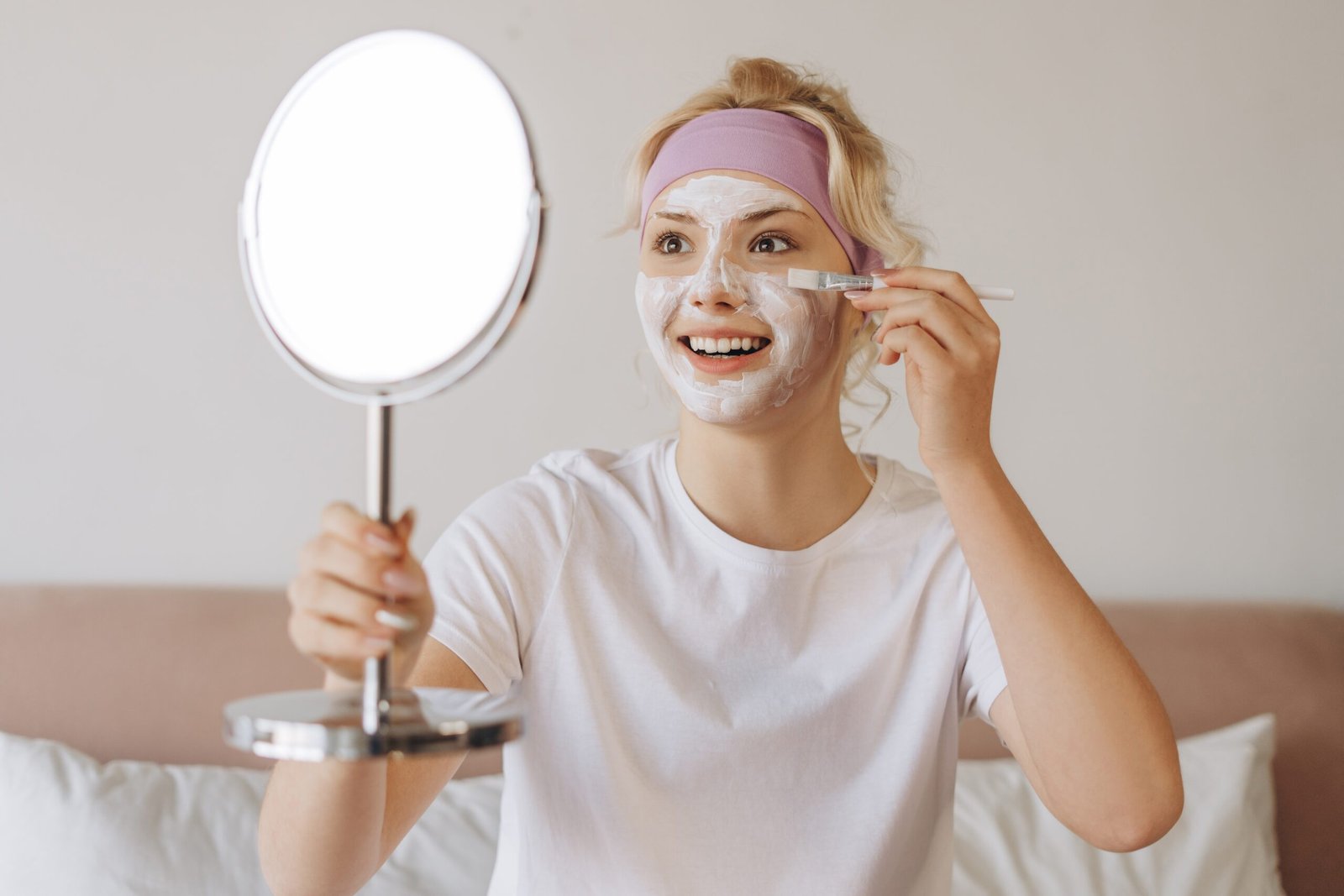
Medieval texts didn’t just focus on internal health. Beauty, too, was fair game for kitchen chemistry. One recipe instructed readers to grind wheat flour with vinegar, mix it with oil, and smear it across the face for a radiant glow. In today’s world, vinegar face masks have gone viral, promising antibacterial benefits and brighter skin. Dermatologists, however, point out the risk of irritant contact dermatitis, reminding us that old does not always mean safe.
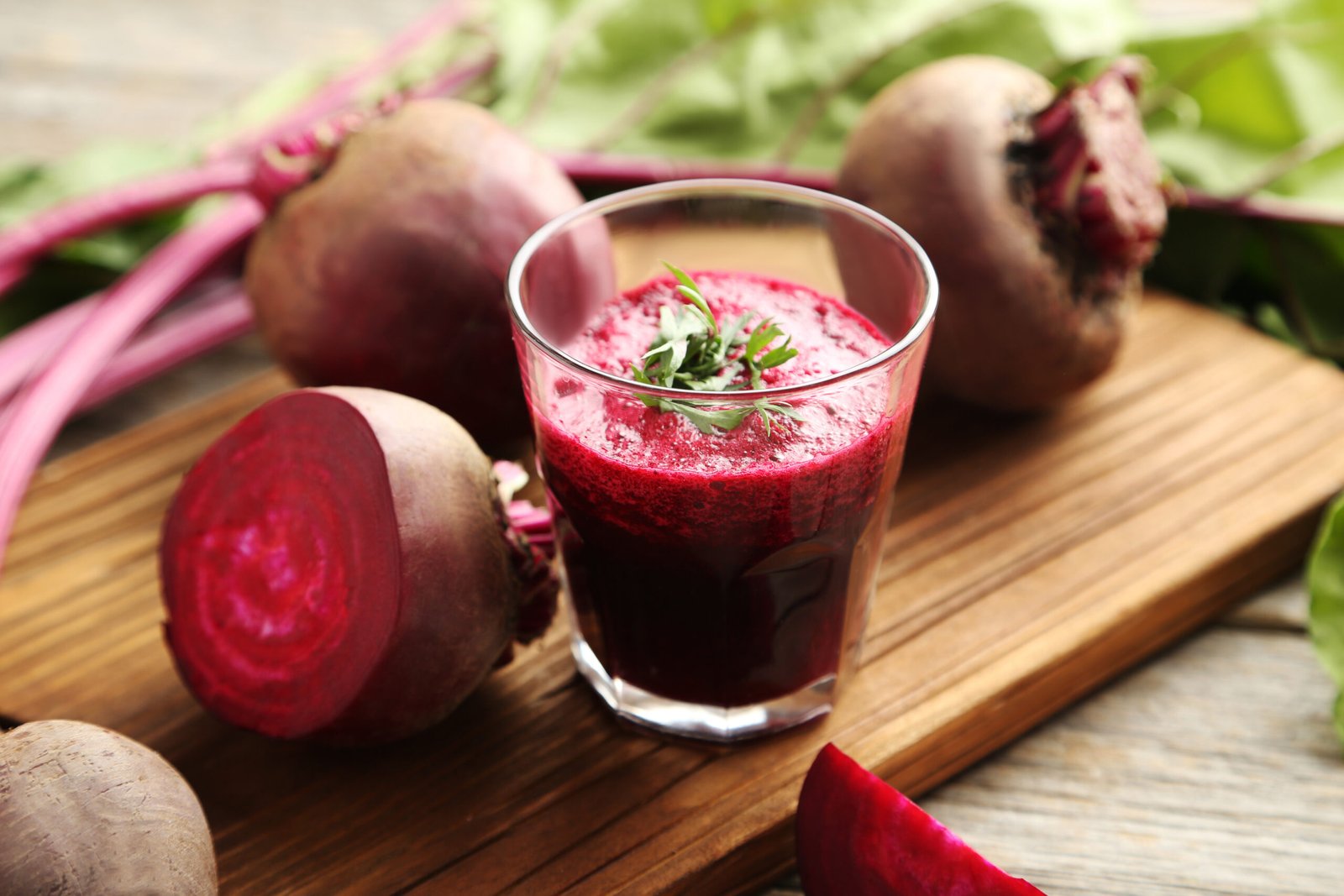
Barley water, another trending “natural remedy” on TikTok, also appears in medieval manuscripts. Healers recommended mixing barley with hot wine to soothe digestion. Modern nutritionists acknowledge that barley and fennel may offer minor digestive benefits, but the sweeping claims of centuries past—like curing all stomach complaints—do not withstand scrutiny. Social media’s love affair with barley water is thus a centuries-old echo, not an invention of the digital age.
When Remedies Cross the Line from Odd to Outlandish
Not all medieval hacks were as innocuous as herbal drinks or vinegar masks. Some veered into territory that would make even the most dedicated influencer pause. Consider the 11th-century prescription for chest pain: dissolve goat dung in water, strain, and drink. The logic behind this and similar cures, which included rubbing one’s scalp with green lizard ashes for fuller hair, was rooted in a worldview untouched by modern science. These practices, while historic curiosities, are now recognized as unsanitary and dangerous. Medical experts strongly advise against trying such methods, emphasizing that chest pain requires immediate professional attention, not a trip to the barnyard.
https://twitter.com/medievalhealth/status/1010101010
Some remedies were even more startling. One text detailed the use of a dead vulture as a panacea: its skull to prevent migraines, its eyeballs for eye pain, and its feathers tied to a pregnant woman’s legs to hasten labor. These practices, often intertwined with ritual and spiritual incantation, remind us that medieval medicine treated illness as a disturbance in unseen cosmic or moral forces. The concept of bacteria or viruses was centuries away.
Ancient Cures, Modern Caution, and the Timeless Allure of the “Hack”
J. Matthew Knight, M.D., a board-certified dermatologist, offers a contemporary perspective on these remedies. While he appreciates the novelty, he cautions that the medieval health hacks fall “somewhere between funny and completely ineffective.” He notes that all these schemes predate the microscope and modern understanding of disease, relying instead on the belief that maladies stemmed from spiritual or cosmic imbalance. He stresses that, whether ancient or trending online, there is “painfully little to no scientific basis for their use.” The persistent allure of the health hack—be it medieval or modern—remains a testament to human creativity, desperation, and hope. In a world where the next wellness craze is just a scroll away, the lesson from history is clear: skepticism and science must temper our fascination with miracle cures.
Sources:
“Health hacks” dating back to the Middle Ages
Cataloging medieval medical texts