America’s top cooking oil, soybean oil, fattens mice more than sugar or coconut oil in lab tests, raising alarms about its role in our obesity epidemic.
Story Snapshot
- Soybean oil dominates U.S. food supply, hidden in processed foods and frying oils.
- UCR mouse studies show it triggers more weight gain, insulin resistance, and fatty liver than coconut oil or fructose.
- Linoleic acid metabolites called oxylipins drive the obesity effect in animals.
- Human evidence remains mixed; experts stress calories and overall diet matter most.
- Debate questions if excess soybean oil fuels America’s waistline expansion.
Soybean Oil’s Rise to Dietary Dominance
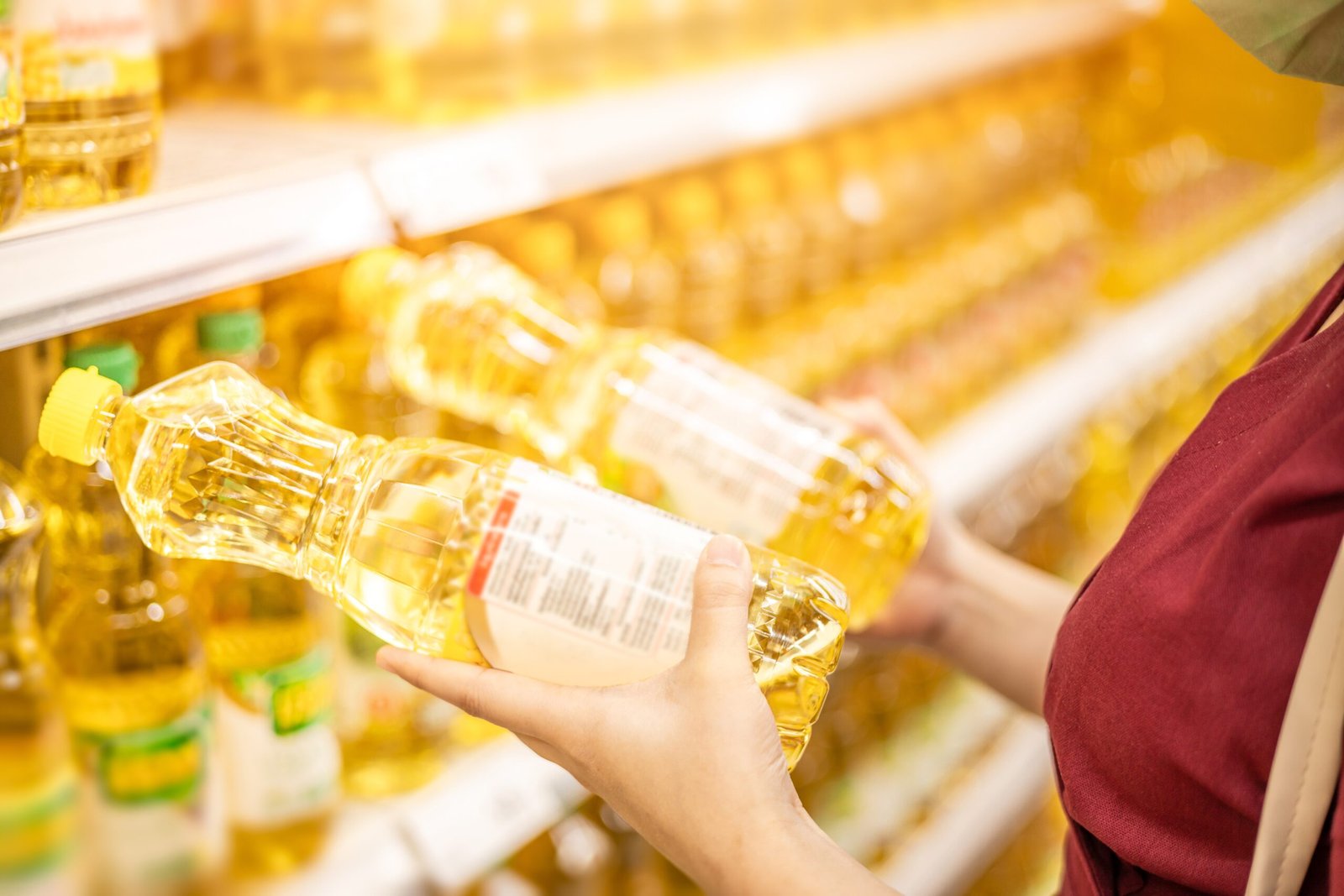
Soybean processors scaled production in the early 20th century. By the late 1900s, soybean oil claimed the title of most consumed edible oil in the U.S. Manufacturers deployed it in margarine, shortenings, dressings, fried foods, and ultra-processed products. Its low saturated fat and high polyunsaturated content positioned it as heart-healthy, displacing animal fats and tropical oils. Public health campaigns endorsed polyunsaturated fats over saturated ones for decades.
This shift flooded diets with omega-6 linoleic acid (LA). Soybean oil supplies most dietary LA today. Common sense dictates moderation in any fat, especially ubiquitous ones lurking in restaurant fries and packaged snacks. Conservative values favor whole foods over industrial formulations driving mindless overconsumption.
Obesity rates climbed since the 1970s alongside seed oil use. Yet correlation ignores broader culprits like sedentary lives and excess calories. Soybean oil’s cheap abundance in the food system merits scrutiny as a structural enabler of metabolic woes.
Tired of diets that don’t work? Get a personalized plan in minutes.
UCR Mouse Studies Expose Unexpected Obesity Driver
Researchers at University of California Riverside launched investigations in 2015. Deol and Sladek fed mice isocaloric high-fat diets. Soybean oil groups gained more weight, adiposity, insulin resistance, and fatty liver than coconut oil or fructose groups. Results shocked observers, as oil outperformed sugar in obesogenicity.
The 2017 follow-up pinpointed mechanisms. Metabolomic analysis revealed hepatic oxylipins—bioactive lipids from LA and alpha-linolenic acid—correlated strongly with fat mass. A low-LA GMO soybean oil, Plenish, proved less obesogenic, suggesting LA drives the effect.
Frances M. Sladek, senior author, declared soybean oil more obesogenic than coconut oil in mice. Poonamjot Deol noted small amounts provide essential LA safely, but current intakes exceed needs, potentially fueling inflammation via oxylipins.
Safe science based weight loss no guesswork.
Mechanisms: Oxylipins and Liver Pathways Unraveled
2024-2025 studies advanced causality. A Journal of Lipid Research paper used transgenic mice with human-like HNF4α liver protein. These mice resisted soybean oil-induced obesity, showing fewer oxylipins, healthier livers, and better mitochondrial function. Standard mice suffered weight gain and dysfunction.
Findings implicate LA-derived oxylipins reprogramming fat handling. Deol recommends capping LA at 2-3% of calories. Sladek emphasizes metabolites, not the oil itself, as the culprit. Mouse data align with concerns over omega-6 overload, but human translation demands caution.
These insights challenge fat quality assumptions. Saturated fats like coconut oil fared better in mice, echoing common-sense preference for traditional fats over novel seed oils in American diets.
Human Evidence Counters with Cardiometabolic Benefits
Clinicians and epidemiologists temper enthusiasm for mouse alarms. Replacing saturated fats with soybean oil improves LDL-cholesterol and heart risk markers in humans. Obesity stems from energy imbalance and poor diet patterns, not one oil.
Johns Hopkins public health experts highlight seed oils’ cardiovascular upsides when moderated. No robust trials link typical soybean intakes independently to human obesity, controlling for calories. Animal data intrigue but lack human proof.
Seed oil backlash rages online, often overstating mouse findings. Facts favor balance: soybean oil aids hearts but excess in processed fare risks calories. Conservative wisdom prioritizes home cooking over industrial reliance.
Reach your goals with AI guided medical insight.
Implications for Policy and Plates
Short-term, headlines spur skepticism, nudging consumers to olive or butter. Long-term, corroborated risks could cap LA guidelines and spur food reformulation with low-LA or high-oleic oils. Farmers may pivot to GMO varieties like Plenish.
Affected parties include obesity patients sensitive to liver stress and fry-heavy eateries facing oil shifts. Economic ripples hit soybean commodity chains. Human trials remain essential before upending guidelines rooted in broader evidence.
Sources:
https://www.universityofcalifornia.edu/news/soybean-oil-may-be-more-fattening-fructose-or-coconut-oil
https://www.nature.com/articles/s41598-017-12624-9
https://www.medicalnewstoday.com/articles/soybean-oil-may-contribute-to-obesity-new-study-shows
https://pmc.ncbi.nlm.nih.gov/articles/PMC4511588/
https://www.sciencedaily.com/releases/2025/11/251129044503.htm
https://publichealth.jhu.edu/2025/the-evidence-behind-seed-oils-health-effects
https://conscienhealth.org/2025/12/is-excess-soybean-oil-in-the-food-supply-a-factor-in-obesity/