
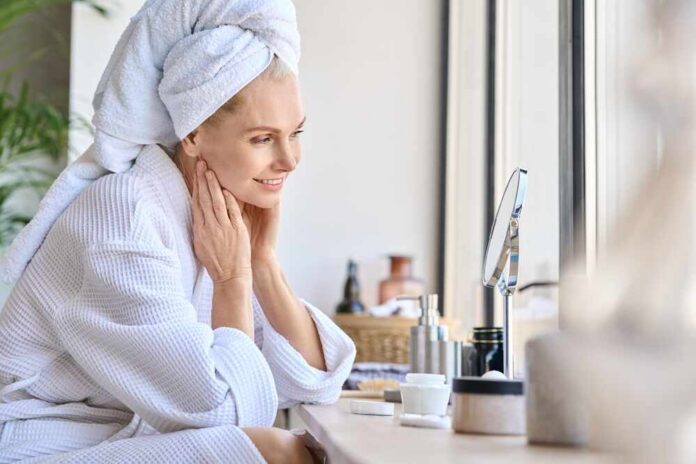
Your skin doesn’t age only from sun and time—it also ages from the hour you choose to turn out the lights.
Quick Take
- Clinical research links poor sleep quality to higher visible “intrinsic” aging scores and weaker skin barrier performance.
- Late bedtimes can hurt hydration and elasticity even when total sleep time looks “good” on paper.
- Nighttime is when skin runs its repair shift; circadian disruption shifts that repair into overtime it never fully pays back.
- Simple rituals—earlier bedtime, consistent schedule, and less blue light—stack up like compounding interest for skin longevity.
The 2014 wake-up call: poor sleepers showed measurable aging signals
A foundational clinical study in 2014 separated “good sleepers” from “poor sleepers” and put numbers to what used to sound like a beauty magazine slogan. Poor sleep lined up with higher intrinsic aging scores and more transepidermal water loss, a key sign your barrier leaks moisture. The study also stressed-test the barrier and tracked recovery. Poor sleepers recovered more slowly and handled UV-related redness worse.
Those details matter because they don’t rely on selfies or vibes. They rely on skin behaving like an organ with rules: it seals, it hydrates, it repairs, and it responds to damage. When sleep quality drops, the “seal” performs worse and recovery drags. For readers over 40, that translates to the look everyone recognizes after a rough stretch—dullness, irritation, and fine lines that seem to settle in.
Timing beats tallying: bedtime itself changes the outcome
People love a simple equation: seven hours equals success. The newer research complicates that in a way that should change how you plan evenings. A 2022 paper found late bedtimes correlated with lower hydration and elasticity and higher water loss, oiliness, and wrinkle-related measures—even when sleep duration stayed at seven hours or more. That undercuts the comforting idea that you can “start at 1 a.m.” and still win.
Why would timing matter if total minutes stay the same? Skin follows a circadian program. At night it pivots toward repair and replenishment; by day it shifts toward defense against UV and pollutants. Late bedtimes can desynchronize that schedule, like showing up for work after the shift has changed.
The barrier is the deal: water loss today becomes texture tomorrow
Transepidermal water loss sounds like jargon until you connect it to how skin looks and feels. A leaky barrier makes irritation easier, redness linger longer, and dehydration lines show up faster. The 2014 findings that poor sleepers had higher water loss and slower barrier recovery should land like a practical warning: you can buy expensive moisturizers, but you still need the nightly “maintenance window” that makes those products work.
This is also where American-style pragmatism beats gimmicks. People spend freely on serums yet treat sleep as optional. That’s backwards. A strong barrier is a defensive asset, and defenses matter more with age. If you’ve ever noticed that one bad week now shows up on your face faster than it did at 25, it’s because recovery capacity declines—and sleep is one lever you still control without permission from anyone else.
Blue light, PER1, and the modern problem of “screen-late” living
Recent cellular research tied circadian disruption to changes inside key skin cells, including pathways involved in collagen support and inflammation. Industry-funded science has focused on the circadian gene PER1 as a kind of switchboard that helps keep skin functions timed correctly. The real-world takeaway isn’t to memorize gene names; it’s to recognize the pattern: screens push light into the hours your biology expects darkness.
For an audience that remembers life before smartphones, this is the clearest behavioral change in the last two decades: bright devices in bed, nightly. That habit aligns perfectly with the studies showing late bedtimes and disrupted rhythms can show up as dehydration, roughness, and more visible aging. No moral panic required—just pattern recognition. If light delays sleep signals, the repair shift starts late and ends early.
The sleep rituals that actually stack the odds in your favor
Start with a ritual that sounds boring because it works: a consistent bedtime earlier than midnight, ideally closer to the hours when you naturally feel sleepy. Protect the last hour before bed from bright screens or at least reduce intensity and distance. Aim for the 7–9 hour window used in research comparing better and worse sleepers, but treat quality and timing as equal partners, not afterthoughts.
Pair sleep with simple skin-supportive habits that don’t overpromise. Gentle cleansing at night removes the day’s irritants so your barrier can recover. Hydration-supporting topicals can help, but they should ride on top of good sleep rather than try to replace it. Weekend “catch-up” sleep feels satisfying but doesn’t reliably undo chronic late nights. Your skin reads patterns, not apologies.
What to ignore: miracle claims and the temptation to buy your way out
Skincare marketing loves the idea that you can hack biology with a product, a drink, or a single trick. The better read of the evidence is less glamorous: sleep is a foundational behavior that changes measurable skin outcomes, and late nights can erode those outcomes even when sleep duration looks adequate.
Sleep-centered skin longevity also has a cultural edge: it rewards steadiness. The “night routine” that wins long-term isn’t the one that looks impressive on a bathroom counter; it’s the one that gets you into bed on time, most nights, for years. That’s the kind of compounding effect people understand in finance. Skin works the same way. You don’t need perfection. You need repeatability.
Sources:
Does Poor Sleep Quality Affect Skin Ageing?
Impact of Bedtime on Skin and Microbiome (PMC9188400)
The impact of sleep on skin aging: myths and facts
The Impact of Sleep Quality on Skin Regeneration and Aging
The power of sleep for aging skin
The impact of sleep on skin ageing
The Transformative Power of Sleep for Healthy Skin
Is getting your beauty sleep a fairy tale?