

Adding fiber to your meals could slash post-meal blood sugar spikes by up to 30 percent, turning simple dietary choices into a powerful weapon against diabetes and metabolic chaos.
Story Snapshot
- Fiber and protein slow carbohydrate digestion, preventing dangerous glucose spikes that damage arteries and fuel insulin resistance
- Nearly 98 million American adults have prediabetes, making blood sugar management a widespread health crisis
- Continuous glucose monitors enable real-time tracking, revealing how meal composition impacts metabolic health
- Food order matters—eating vegetables and protein before carbohydrates can reduce spikes by up to 75 percent
- Simple changes save money and health, potentially cutting into the $327 billion annual diabetes healthcare burden
The Science Behind the Spike
Blood sugar spikes happen when carbohydrates flood your system faster than your body can handle them. Since the 1980s, researchers have understood that high-glycemic foods—white bread, sugary snacks, processed grains—trigger rapid glucose surges. These spikes don’t just cause energy crashes and cravings. They inflame your arteries, damage blood vessels, and push your pancreas into overdrive, creating the perfect storm for insulin resistance. The glycemic index, formalized in 1981 by David Jenkins, mapped this phenomenon. Foods scoring above 70 on the scale behave like metabolic grenades. Fiber emerged as the antidote decades ago when studies showed soluble fiber creating a protective barrier in your gut, slowing the release of sugar into your bloodstream.
Why Fiber Wins the Battle
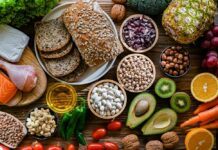
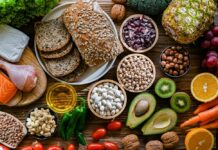
Fiber acts like a speed bump for glucose absorption. When you consume high-fiber foods—vegetables, beans, whole grains—they form a gel-like substance in your digestive tract. This slows gastric emptying and carbohydrate breakdown, preventing the sudden glucose flood that triggers spikes. BSW Health researchers explain that fiber physically blocks rapid glucose release. Mass General Brigham dietitians describe proteins and fiber creating a “shell” around sugars, delaying their entry into the bloodstream. The evidence is overwhelming: consuming more than 25 grams of fiber daily reduces type 2 diabetes risk by 20 percent. Meta-analyses confirm 20 to 30 percent spike reductions when fiber accompanies carbohydrates. This isn’t theoretical—continuous glucose monitors provide real-time proof in thousands of users.
The Food Order Revolution
UCLA Health highlights a Japanese study that turned conventional meal planning upside down. Eating vegetables and protein before carbohydrates cut blood sugar spikes dramatically. The sequence matters because filling your stomach with fiber-rich foods first creates a digestive cushion before starches arrive. Jessie Inchauspé’s “Glucose Revolution” popularized this veggie-first approach in 2022, but the science dates to 2015 trials. The CDC now endorses balanced plates over haphazard eating patterns. Mass General Brigham emphasizes that protein holds sugars back for steady release rather than explosive spikes. This simple reordering—salad before pasta, chicken before rice—requires zero special ingredients or expensive supplements.
Tracking Technology Changes the Game
Continuous glucose monitors transformed blood sugar management from guesswork into data-driven precision. Devices like Abbott’s Freestyle Libre, widely available since 2015, let anyone watch glucose rise and fall in real time. Apps such as Levels and Nutrisense exploded post-2020, enabling non-diabetics to optimize metabolic health. This democratization of tracking revealed uncomfortable truths: supposedly healthy foods often spike glucose worse than expected, while simple additions—a handful of nuts, a side of broccoli—flatten the curve. The technology fueled a biohacking movement focused on preventing spikes before they cause damage, rather than managing diabetes after diagnosis. Social media overflows with before-and-after graphs showing dramatic improvements from adding fiber or protein, creating viral momentum around evidence-based dietary changes.
Economic and Health Stakes
The financial implications are staggering. Diabetes costs America $327 billion annually in healthcare expenses and lost productivity. Preventing spikes through fiber-rich diets costs pennies compared to medications or insulin. A bag of beans or frozen vegetables delivers metabolic protection at a fraction of pharmaceutical prices. Beyond economics, 38 million Americans have diabetes, with 98 million more teetering on the edge with prediabetes. Short-term spike prevention reduces fatigue and cravings immediately. Long-term, it protects your heart, kidneys, and vision by preventing the vascular damage hyperglycemia inflicts. This isn’t about vanity or trends—it’s about avoiding amputations, blindness, and dialysis. The functional food industry is booming as consumers demand fiber supplements and low-glycemic products, challenging processed food giants to reformulate or lose market share.
Expert Consensus and Practical Advice
Medical authorities agree on the fundamentals. The American Diabetes Association endorsed low-glycemic, high-fiber diets decades ago. diaTribe nutrition experts recommend pairing every carbohydrate with fat or protein, noting that while all foods raise glucose, fiber-rich options produce minimal spikes. Marc O’Meara, a registered dietitian at Mass General Brigham, compares fiber and protein to protective shells around sugar molecules. The only debate centers on prioritization—some experts emphasize food order, others focus on fiber content, a few add exercise timing. No credible source disputes that “naked carbs”—carbohydrates eaten alone—cause the worst spikes. The data from hospital systems, academic centers, and clinical trials align perfectly. This isn’t controversial nutrition theory; it’s settled science that somehow remains unknown to millions struggling with energy crashes and weight gain.
Sources:
6 Simple Ways to Prevent Blood Sugar Spikes After Meals – BSW Health
Those Bothersome Blood Sugar Spikes After Meals – Know Diabetes
3 Simple Ways to Avoid Blood Sugar Spike – Hollywood Presbyterian
How to Avoid a Glucose Blood Sugar Spike – Abbott
8 Foods That Won’t Spike Blood Sugar – diaTribe
Eating in a Certain Order Helps Control Blood Glucose – UCLA Health
How to Control Blood Sugar with Diet – Mass General Brigham
10 Things That Spike Blood Sugar – CDC