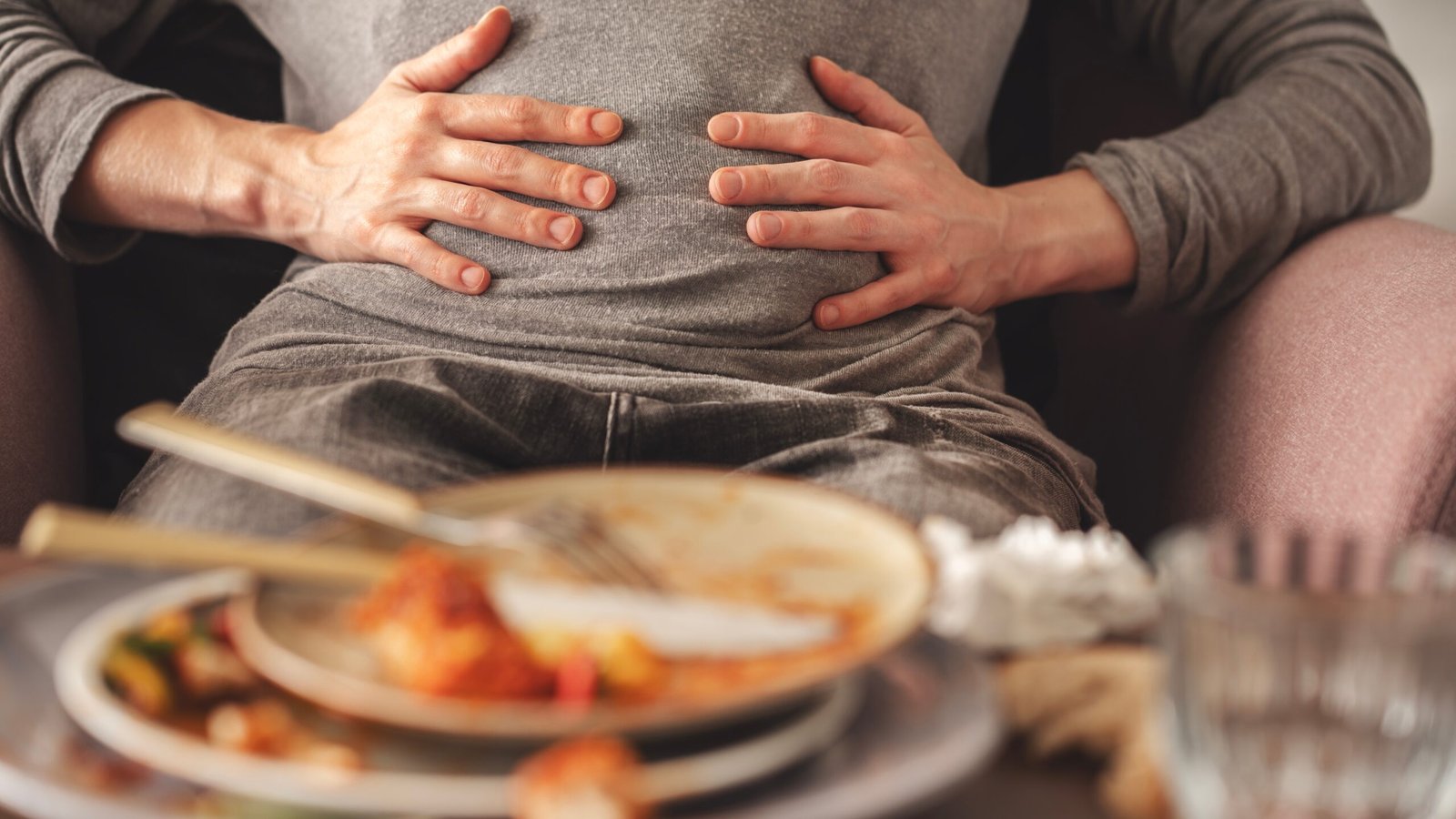
Physical therapists have cracked the code on beating bloat without popping a single pill, and their secret weapon isn’t what you’d expect.
Quick Take
- Physical therapists recommend three specific exercises that target bloating’s root causes through breathwork and gentle movement
- Deep diaphragmatic breathing with extended exhalations relaxes abdominal muscles and promotes gas release
- Post-meal walking for just 5-30 minutes stimulates natural digestive processes better than lying down
- Gentle core activation through cat-cow poses or apnea holds helps expel trapped gas while strengthening core muscles
The Breathing Revolution That’s Changing Gut Health
Physical therapists discovered something remarkable when treating patients with chronic pain: those who practiced specific breathing techniques experienced dramatic reductions in bloating. This wasn’t coincidence. Deep diaphragmatic breathing with extended exhalations creates a physiological response that relaxes the pelvic floor and abdominal muscles, allowing trapped gas to move freely through the digestive system.
https://www.youtube.com/watch?v=BgV1kgdQ6W0
The technique involves inhaling slowly through the nose for four counts, then exhaling through pursed lips for eight counts. This extended exhalation activates the parasympathetic nervous system, which governs digestion and muscle relaxation. Unlike shallow chest breathing that many people default to during stress, this method engages the diaphragm fully, creating gentle massage-like pressure on internal organs.
Got a health question? Ask our AI doctor instantly, it’s free.
Why Walking Beats Every Fancy Supplement
Michelle Kenway, a physical therapist specializing in pelvic health, revolutionized bloating treatment with a deceptively simple prescription: walk after eating. Her 2020 research demonstrated that 5-30 minutes of gentle walking stimulates peristalsis, the wave-like muscle contractions that move food through the digestive tract. This natural process becomes sluggish when we sit immediately after meals.
Walking activates core muscles without strain, encourages upright posture that prevents gas pocketing, and uses gravity to assist digestive flow. The key lies in timing and intensity. Gentle movement within 30 minutes of eating proves most effective, while vigorous exercise can actually redirect blood flow away from digestion, worsening bloating symptoms.
Not sure where to start? Ask the AI doctor about your symptoms.
Core Activation That Actually Works
The third weapon in the physical therapist’s anti-bloat arsenal targets the deep core muscles through controlled movement patterns. Cat-cow poses, borrowed from yoga but refined through physical therapy principles, create spinal flexion and extension that massages abdominal organs while engaging stabilizing muscles. This dual action promotes gas expulsion while strengthening the muscular framework supporting digestion.
https://www.youtube.com/watch?v=OqBjySy-4lY
Advanced practitioners incorporate apnea holds, where breath is held briefly during gentle core contractions. This technique, rooted in hypopressive breathing methods developed in Europe, creates negative pressure in the abdominal cavity. The resulting vacuum effect encourages gas movement while training the deep core muscles to support optimal organ positioning for digestion.
Get fast, reliable health advice from your AI doctor now.
The Science Behind the Simple Solution
Physical therapy approaches bloating differently than traditional medicine by addressing muscular dysfunction and movement patterns rather than just symptoms. Sedentary lifestyles create chronic tension in hip flexors and abdominal muscles, compressing digestive organs and impeding natural gas flow. Poor posture compounds this problem by collapsing the ribcage onto abdominal contents.
These three exercises work synergistically to restore proper biomechanics. Breathing resets nervous system tone, walking stimulates natural digestive rhythms, and core activation maintains optimal organ positioning. Together, they address bloating’s root causes rather than masking symptoms, explaining why 10-25% of adults who suffer from regular bloating find lasting relief through these simple interventions.
Sources:
Physical Therapy for Abdominal Bloating – PhysioTattva
Exercise for Bloating and Gas – Healthline
Physical Therapist’s Top 3 Secrets for Beating Bloat Fast – MindBodyGreen
Practices to Get Rid of Bloating – Core Recovery Method
Hartford HealthCare Rehabilitation Network