
The most surprising thing about chronic pain relief is that some of the strongest tools are not in your medicine cabinet, but in your grocery cart.
Story Snapshot
- Mayo Clinic clinicians now place diet at the base of a chronic pain management “pyramid,” not as an afterthought.[2]
- Mediterranean-style, anti-inflammatory eating patterns can reduce flare-ups, ease joint stress, and support overall health, though they are not miracle cures.[1][4]
- Specific food choices push your body toward or away from inflammation, which can amplify or quiet daily pain.[1][2][4][5]
- The strongest approach blends anti-inflammatory eating with weight control, movement, and wise use of supplements.[1][2][4][5]
Why Mayo Clinic Keeps Talking About Food When You Ask About Pain
Chronic pain patients often walk into Mayo Clinic asking about injections, procedures, or stronger pills, and walk out with homework on what to eat.[2][4] That is not because diet is a fashionable side topic; clinicians there now treat it as the foundation of a pain-management pyramid. At the base sits your daily dietary pattern, above that specific foods and nutrients, and only at the narrow top do supplements appear.[2]
Mayo experts consistently point to Mediterranean-style eating and the Mayo Clinic Diet as real-world versions of an anti-inflammatory pattern.[2][4] These approaches emphasize fruits, vegetables, whole grains, beans, lentils, nuts, olive oil, fish, and modest amounts of lean animal protein, with minimal ultra-processed foods and added sugars.[1][4] That is not boutique wellness; it is essentially grandma’s kitchen upgraded with better science. From a right-of-center perspective, it is also personal responsibility applied to the dinner plate instead of another prescription.
How Food Stokes Or Soothes the Fire of Inflammation
Mayo’s messaging centers on inflammation because that is where nutrition most clearly intersects with pain biology.[1][2][4][5] High-fiber plant foods feed beneficial gut bacteria, which in turn help dampen systemic inflammation and stabilize blood sugar swings that can aggravate pain sensitivity.[1] Diets rich in omega-3 fats, magnesium, and certain vitamins appear to support anti-inflammatory signaling.[2] Extra-virgin olive oil contains oleocanthal, a compound with ibuprofen-like anti-inflammatory effects, although at far milder doses.[1] None of this promises instant relief, but it shows why your body reacts differently to salmon and beans than to a drive-through combo.
On the flip side, saturated fats from red and processed meats, trans fats that still sneak into packaged foods, refined grains, and added sugars consistently show up in what researchers call “pro-inflammatory” dietary patterns.[2][4][5][6] Mayo clinicians bluntly warn that deep-fried foods, pastries, sugary drinks, and ultra-processed snacks tend to pour gasoline on the inflammatory fire.[4][5] That does not mean you can never touch a burger again; it means the dominant pattern matters.
Can a Mediterranean Plate Really Change Chronic Pain?
Mayo’s consumer-facing articles choose cautious verbs: anti-inflammatory diets “may help,” “can reduce flare-ups,” and “ease joint pain.”[1] Critics seize on that caution to argue the evidence is suggestive rather than definitive, and they have a point. The public materials rarely display randomized trials with hard numbers, and they often highlight improved inflammatory markers more than specific pain scores.[1][2][4] From an evidence standpoint, this is graded more like “promising adjunct” than “standalone therapy.” Skepticism toward sweeping claims is healthy.
However, the same critics usually lack direct counter-evidence showing that such diets fail in chronic pain populations.[1][2][4] The mainstream medical literature already links Mediterranean-style patterns to better cardiovascular health, metabolic control, and weight management, and Mayo simply extends that logic to pain, especially where joint load and inflammation overlap.[1][2][4] That is not overreach; it is prudent extrapolation. When a pattern improves weight, blood sugar, and inflammatory markers—all drivers of pain—it is reasonable to expect at least modest symptom benefits for many patients, even if we cannot yet quote precise percentages.
Weight, Movement, and the Rest of the Pain Equation
Mayo explicitly warns that food alone does not cure chronic conditions.[1][2][4] Diet interacts with weight, sleep, stress, and physical activity in a tangled web. Their materials acknowledge that even moderate weight loss can lower inflammatory markers such as C-reactive protein and reduce pain tied to joint stress.[1] That nuance matters: if a better diet leads to weight loss and less inflammation, which one “deserves” credit? For the patient who can walk farther with less pain, the distinction may be academic, but for policy and research it remains unsettled.
Clinicians in the Mayo podcasts also discuss supplements like omega-3s, vitamin D, turmeric, collagen, glucosamine, and chondroitin.[4][6] They describe “pretty good evidence” for some of these but place them deliberately at the top of the pyramid, after the core diet is in place.[2][4] When supplement hype bleeds into magic-cure territory, it risks undermining the more solid message about whole foods and reasonable expectations.
What a Practical Plan Looks Like
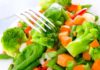
Mayo’s concrete advice reads less like a fad and more like a disciplined household budget.[1][4][5] Start shifting your cart toward “rainbow” produce, beans, lentils, nuts, seeds, and whole grains; build most meals around those, plus fish or lean poultry.[1][4][5] Replace sugary drinks with water, coffee, or tea; use olive oil instead of shortening; and make fried and ultra-processed foods the exception, not the norm.[1][4][5] Pair those changes with modest daily movement and realistic weight goals, and give the plan months, not days, to show its worth.
Sources:
[1] Web – Mediterranean diet & inflammation: Foods that soothe chronic pain
[2] YouTube – Mayo Clinic – Chronic Pain and Nutrition: Foods That Help
[4] YouTube – How Diet and Nutrition Impact Pain & Inflammation E47
[5] Web – What Mayo Clinic experts say about integrative medicine
[6] Web – Mayo Clinic Minute: Avoid opioids for chronic pain