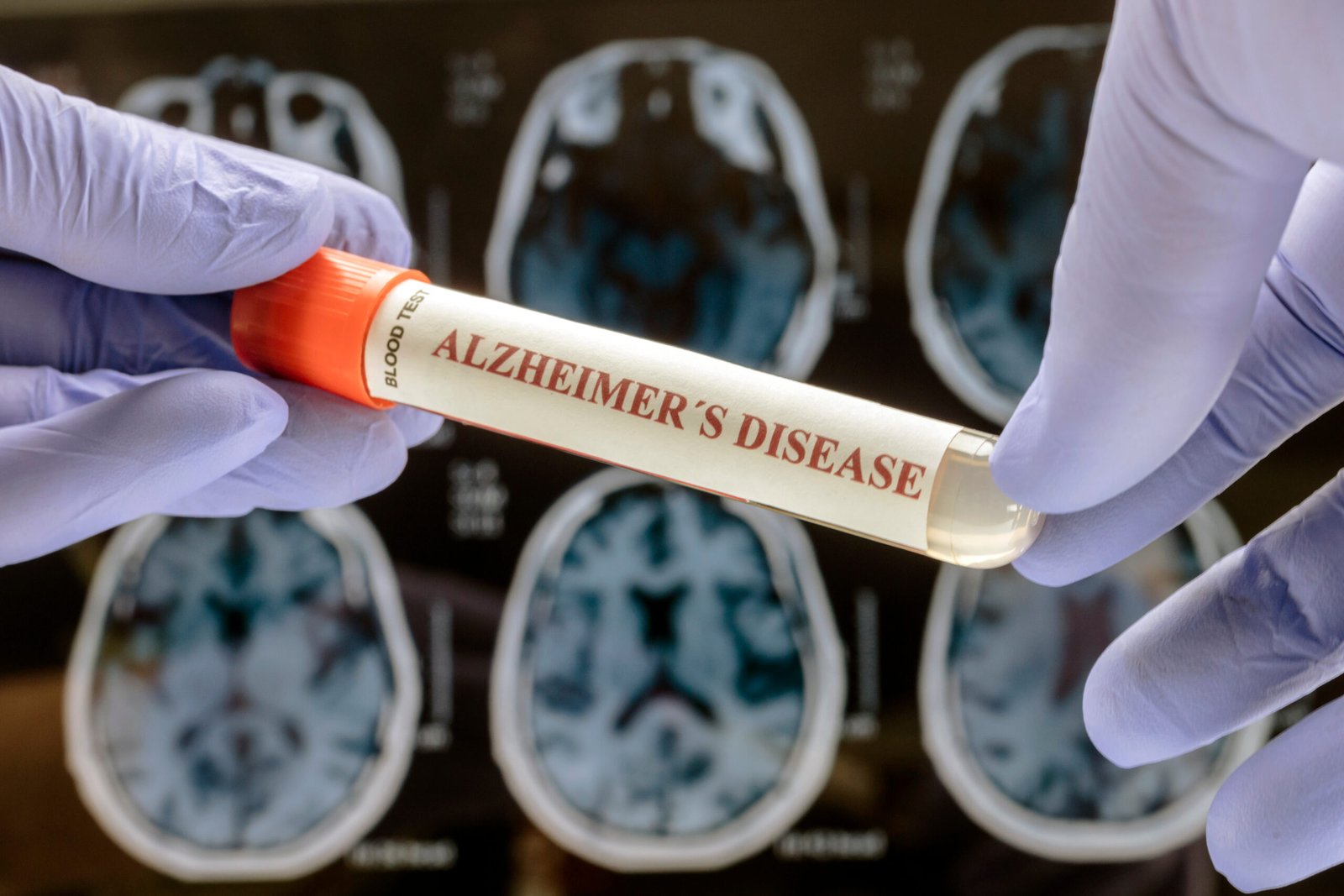
Taking the right mix of common heart and metabolic meds might just buy you a few more years of clear thinking—and science is finally connecting the dots between your pillbox and your brainpower.
Story Snapshot
- Older adults on combination meds for blood pressure, cholesterol, and diabetes showed slower cognitive decline
- The protective effect was equivalent to being three years younger in terms of cognitive health
- Brain autopsies linked combination therapy to fewer dementia-related brain changes
- Managing vascular risk factors early may help delay or prevent dementia, but more research is needed before changing clinical practice
Combination Therapy Shows Cognitive Edge in Aging
A sweeping analysis of thousands of older adults reveals that those who consistently take a combination of medications to control high blood pressure, cholesterol, and diabetes experience slower cognitive decline than their peers who take fewer or none of these drugs. The difference is not subtle: researchers found that the mental aging process slowed enough to mirror someone three years younger, a potentially huge leap when every year of memory and reasoning matters.
For this study, researchers tracked 4,651 older adults—none with dementia at the start—over an average of nine years. Participants underwent yearly cognitive testing and detailed medication tracking. In a powerful twist, nearly 1,900 participants also donated their brains for autopsy, allowing scientists to look for telltale signs of Alzheimer’s and other forms of dementia after death. The results, presented at the 2025 Alzheimer’s Association International Conference, spotlighted a clear trend: combination therapy users fared better, both in life and under the microscope.
How Heart Health Medications Shield the Brain
Hypertension, high cholesterol, and diabetes have long been recognized as villains in the story of cognitive decline, each silently sabotaging blood vessels and fueling the slow-burn damage that leads to dementia. Medications for these conditions—antihypertensives, statins, and antidiabetic agents—are already known to lower the risk of heart attacks and strokes. Now, mounting evidence suggests their benefits extend to preserving memory and reasoning, especially when used together.
Researchers dug into the details and found that people using all three classes of medication weren’t just scoring higher on cognitive tests. Their brains, upon autopsy, showed less atherosclerosis and arteriolosclerosis—types of blood vessel hardening tied to dementia. There was also a marked reduction in Alzheimer’s-specific pathologies: fewer amyloid plaques, tangles, and dangerous proteins like TDP-43, which is increasingly linked to advanced Alzheimer’s. Even those taking just two of the three medication classes saw meaningful cognitive benefits and less brain damage, though the effect was strongest with the full trio.
Are the Benefits Additive or Synergistic?
The study’s lead scientist, Dr. Roshni Biswas, suggested that combination therapy may have a synergistic effect, meaning the drugs work better together than alone. While single medications showed some benefit, especially for semantic memory and reducing brain tangles, it’s the multi-pronged approach that truly moved the needle. This aligns with the growing recognition that dementia’s roots are tangled in a web of overlapping risk factors, and attacking more than one at a time may be the most effective defense.
Yet despite these promising results, the researchers urge caution. While the findings open tantalizing possibilities for delaying or even preventing dementia by targeting modifiable vascular and metabolic risk factors, they stop short of recommending blanket changes to clinical guidelines. More studies are needed to clarify which combinations work best, for whom, and for how long.
The Heart-Brain Connection: Implications for Prevention
The Alzheimer’s Association’s scientific engagement director, Dr. Courtney Kloske, says these findings reinforce what many experts now call the “heart-brain connection”—the idea that what’s good for your cardiovascular system is also good for your brain. Controlling blood pressure, cholesterol, and blood sugar doesn’t just prevent heart attacks; it may also help preserve independence and clarity of mind well into old age.
This research underscores a critical message for anyone entering their 50s, 60s, or beyond: don’t ignore your doctor’s advice on managing vascular health. The medications in your daily pillbox might be quietly defending your brain as much as your heart. Still, the science isn’t settled, and the golden rule remains—work with your healthcare provider to tailor treatments to your unique risks and needs.
Sources:
Combination CVD Meds Tied to Slower Cognitive Decline – Medscape