
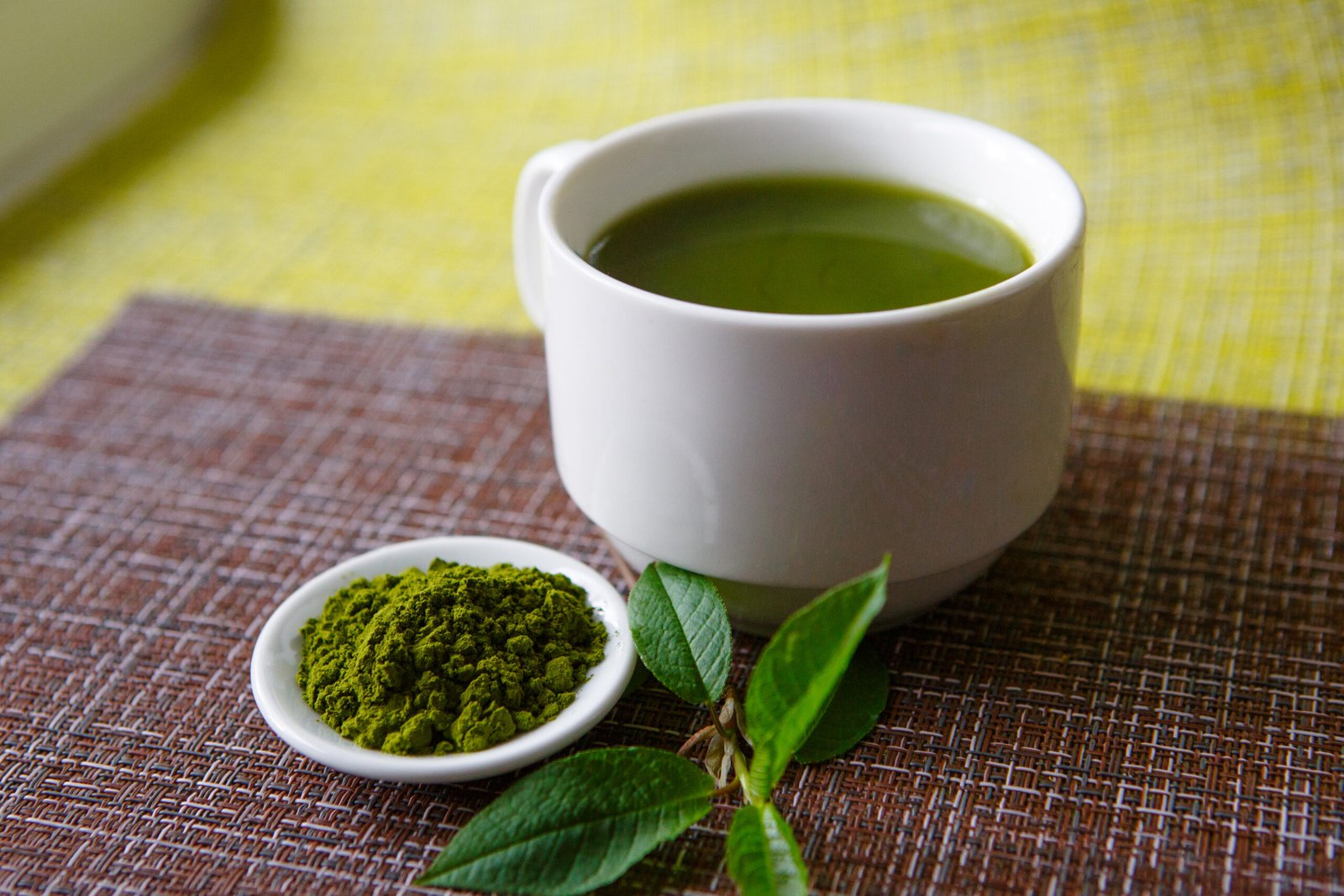
One overlooked beverage could quietly nudge your blood pressure downward—just enough to make doctors pay attention and skeptics raise an eyebrow.
Story Snapshot
- Green tea consumption produces modest, statistically significant drops in blood pressure, confirmed by multiple meta-analyses.
- Antioxidant polyphenols in green tea drive these effects, especially for those with elevated baseline blood pressure.
- Clinical impact remains limited—green tea serves as a complementary, not primary, intervention for hypertension.
- Population, dose, and safety remain under scrutiny as green tea’s popularity in blood pressure management grows.
Scientific Evidence: What We Know and Where It Came From
Researchers first noticed a pattern in the early 2000s: populations with high green tea intake seemed to have lower rates of cardiovascular disease. By 2010, randomized controlled trials (RCTs) and meta-analyses honed in on blood pressure, asking if a centuries-old East Asian staple could deliver measurable results. The answer, according to the latest wave of research, is a cautious yes. Regular green tea intake—typically five to six cups a day—yields modest but statistically significant reductions in both systolic and diastolic blood pressure. These effects, while generally small (on the order of 1 to 2 mmHg), consistently show up across high-quality trials and peer-reviewed analyses.
The key players in this story are the polyphenols—specifically catechins and EGCG—concentrated in green tea. These compounds help relax blood vessels and improve endothelial function through their antioxidant properties. Not all populations benefit equally. Subgroup analyses reveal that individuals with elevated baseline blood pressure, women, and those from Asian backgrounds see the greatest impact. Still, the effect is far from dramatic: think of green tea as a gentle assistant rather than a miracle worker.
Clinical Significance and Real-World Application
Despite the statistically significant findings, the clinical significance of green tea’s blood pressure-lowering effect remains a point of debate. A drop of 1 to 2 mmHg in systolic or diastolic pressure, while measurable, does not rival the effect of prescription antihypertensives. For individuals with prehypertension or mild hypertension, this modest reduction may offer an extra layer of protection, especially when combined with broader lifestyle changes like diet and exercise. Leading researchers and professional societies emphasize that green tea should be viewed as a complementary intervention—never as a substitute for medication. The American Heart Association and similar bodies have not endorsed green tea as a primary therapy, but do acknowledge its potential as part of a healthy dietary pattern.
Safety also enters the conversation. Most studies agree that green tea is safe for daily consumption up to about five or six cups, but higher doses increase the risk of adverse events. Regulatory agencies closely monitor supplement claims and warn against megadosing, given isolated reports of liver toxicity and other complications at extreme intakes. As the functional beverage and supplement markets continue to grow, both healthcare providers and consumers are urged to balance enthusiasm with evidence and moderation.
Who Stands to Benefit—and Who Decides?
Academic research teams, including those from the University of Oxford and leading international cardiology groups, drive the evidence base for green tea and blood pressure. Their findings ripple outward, shaping both clinical practice and public perception. Regulatory agencies such as the FDA and EFSA ensure that health claims stay grounded in data, while green tea producers seize on any positive findings to market their products. The power dynamic remains clear: while industry stands to gain from favorable evidence, only rigorous, independent science can shift public health recommendations.
For patients, especially those seeking non-pharmacological or culturally resonant approaches to hypertension, green tea offers an accessible option. Healthcare professionals face pressure to integrate complementary therapies into standard care, but guidelines remain conservative. The dialogue continues, with calls for larger and longer-term studies to clarify the long-term impact, optimal dosing, and subgroup differences.
Expert Perspectives and the Road Ahead
Consensus among experts is that green tea’s impact on blood pressure, while real, is modest. Mechanistic studies attribute this to improved endothelial function from antioxidant polyphenols, yet the lack of a robust dose-response relationship and variable effects by demographic group temper enthusiasm. Some meta-analyses highlight publication bias and heterogeneity; others point to a lack of long-term outcome data. Industry voices may tout green tea as a natural solution, but the most credible sources—peer-reviewed meta-analyses and major research institutions—remain measured in their conclusions.
The bottom line: green tea is not a cure-all, but it is a scientifically validated, low-risk addition to a healthy lifestyle. For those with prehypertension or mild hypertension, especially in populations where green tea is already a dietary staple, the beverage may offer incremental benefits. As further research unfolds, its role in cardiovascular health will become clearer, but for now, green tea holds steady as a supporting actor—competent, reliable, and quietly beneficial.
Sources:
Centre for Evidence-Based Medicine, University of Oxford
Scandinavian Cardiovascular Journal (2025 meta-analysis)
National Institutes of Health (PMC7015560)
Nature – Scientific Reports