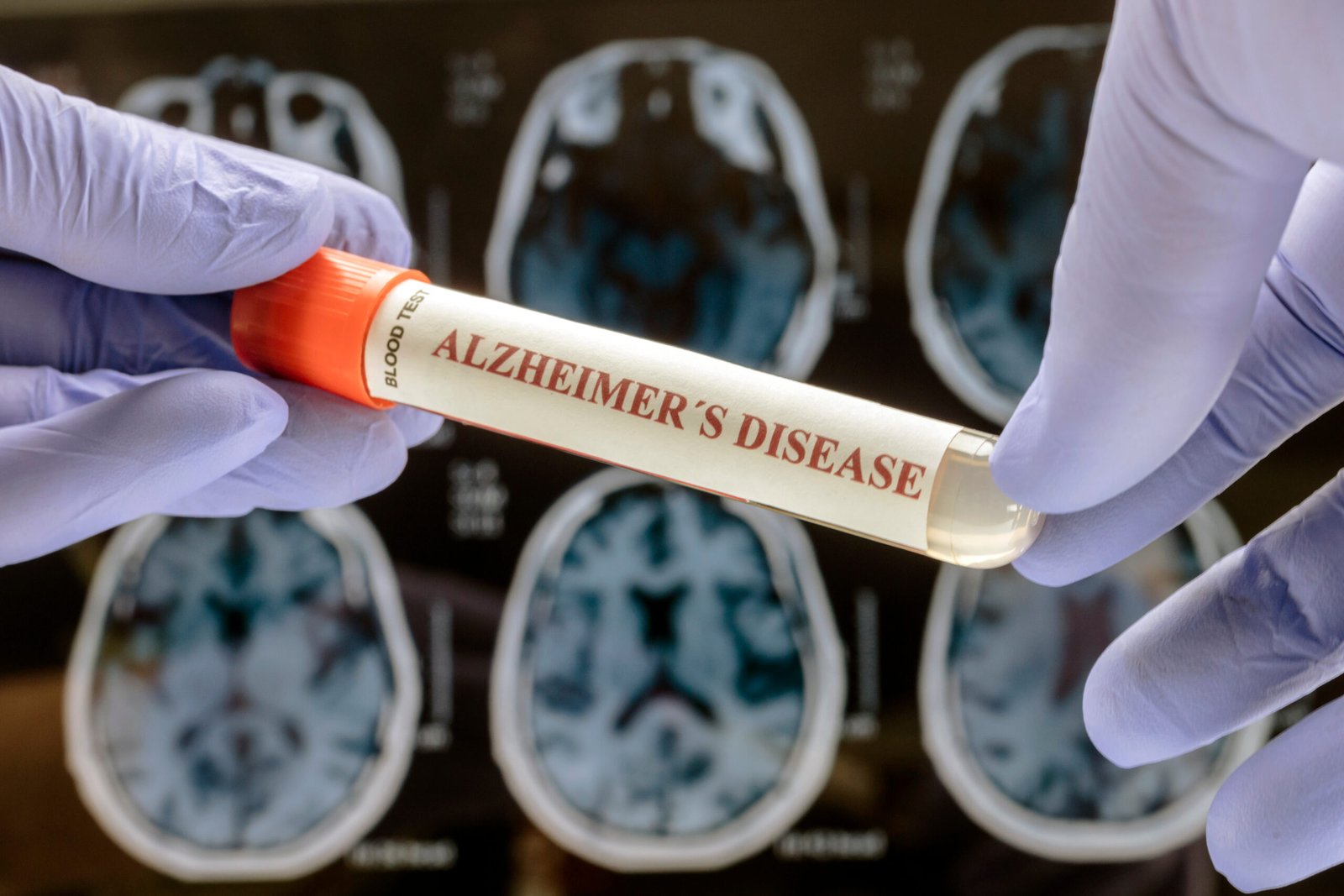
What was once deemed “creepy” in scientific advancement is now a beacon of hope, offering life-saving possibilities.
Story Snapshot
- Cutting-edge technologies like gene editing and AI are revolutionizing healthcare.
- Originally controversial innovations are proving their worth in saving lives.
- Breakthroughs include CRISPR therapies and brain implants for communication.
- Ethical and privacy concerns persist, but advancements continue to push boundaries.
Revolutionizing Healthcare with Creepy Science
Scientific advancements that once evoked skepticism are now reshaping the landscape of healthcare. Innovations such as gene editing, AI-powered diagnostics, brain-computer interfaces, and synthetic organs are transforming what is possible in medicine. Initially unsettling, these breakthroughs are now offering unprecedented hope to patients with conditions previously deemed untreatable. The tension between public perception and the reality of scientific progress underscores the transformative potential of these innovations.
Gene editing, particularly through CRISPR/Cas9, has garnered significant attention. In 2023, the FDA approved the first CRISPR therapies for sickle cell disease, marking a pivotal moment in genetic treatment. This technique, which allows for precise modifications of DNA, has opened doors to potentially eradicating genetic diseases. Despite ethical debates, the impact of gene editing on personalized medicine and long-term health outcomes cannot be overstated.
AI and the Future of Diagnostics
AI-driven diagnostics are another frontier where “creepy” science is making waves. AI’s ability to analyze complex biological data rapidly is leading to earlier detection of diseases like cancer and heart disease. This synergy of AI and nanomedicine is not just improving diagnostic accuracy; it is also facilitating the development of targeted therapies. By integrating AI into mainstream healthcare, these technologies promise to revolutionize how diseases are diagnosed and treated.
AlphaFold, an AI system developed by DeepMind, has made significant strides in predicting protein folding, a complex biological process crucial for understanding diseases. Awarded a Nobel Prize in 2024, AlphaFold exemplifies how AI is unlocking new possibilities in drug discovery and development. The integration of AI into the field of medicine illustrates its potential to enhance precision and efficiency in healthcare delivery.
Brain Implants: A Leap in Neurotechnology
Brain-computer interfaces represent another area where once unsettling technology is proving its worth. In 2025, a breakthrough brain implant allowed a paralyzed patient to communicate, showcasing the remarkable potential of neurotechnology. These implants are not only enabling communication for those with severe disabilities but also paving the way for future applications in treating neurological conditions.
While the idea of implanting devices in the brain may raise ethical and privacy concerns, the benefits for patients are undeniable. These technologies offer new avenues for rehabilitation and improving the quality of life for individuals with neurological impairments. As research advances, brain implants could revolutionize the treatment of a wide range of conditions, from paralysis to epilepsy.
Ethical Considerations and Future Prospects
The rapid advancement of these technologies brings with it a host of ethical and regulatory challenges. Concerns about privacy, safety, and long-term implications persist, particularly with gene editing and brain implants. The need for robust oversight and careful regulation is paramount to ensure that these innovations are utilized responsibly and ethically.
Despite these challenges, the potential benefits of these scientific breakthroughs are immense. They hold the promise of not only improving individual health outcomes but also reducing overall healthcare costs through early detection and personalized treatment. As society grapples with the ethical dimensions, the evidence from clinical outcomes and regulatory approvals underscores the transformative impact of these technologies on medicine and patient care.
Sources:
MSU Today
Nobel Prize
Duke Today
AAMC News
Gates Foundation
UCSF News
St. Jude News