Frozen foods are not just convenient, they’re a treasure trove of nutrition and practicality, yet many still overlook their potential.
Story Highlights
- Dietitians advocate for frozen veggies, fruits, and grains as nutritional powerhouses.
- Freezing technology preserves nutrient content, challenging misconceptions.
- Frozen foods offer convenience, versatility, and a solution for reducing waste.
- Experts emphasize label scrutiny to avoid hidden sugars and sodium.
The Frozen Food Renaissance
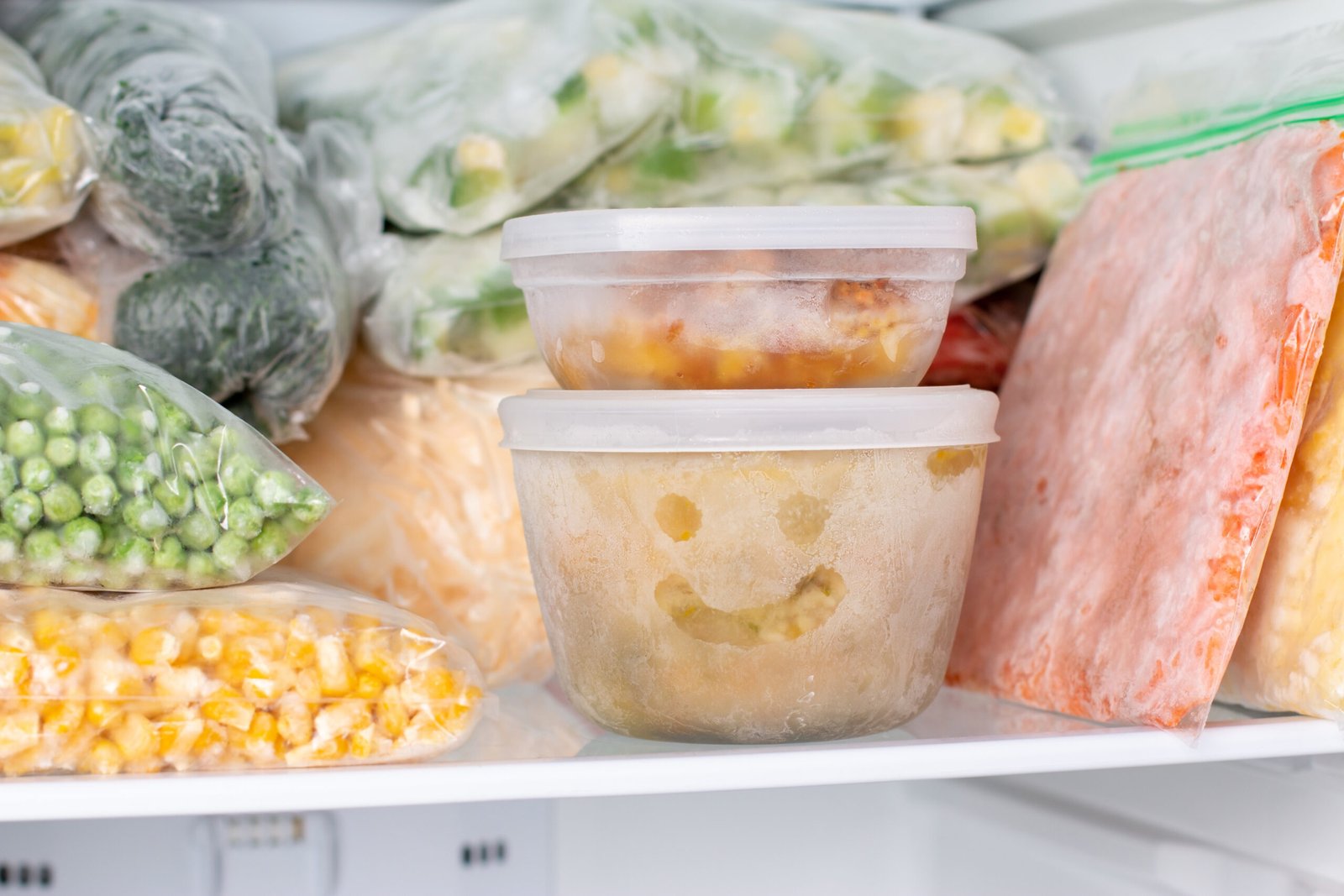
Frozen foods have undergone a renaissance, evolving from a mere convenience to essential components of a balanced diet. Registered dietitians increasingly recommend frozen vegetables, fruits, and grains as they maintain nutritional integrity due to advanced freezing techniques. These foods, picked and frozen at peak ripeness, often rival their fresh counterparts in nutrient content. Dietitians highlight the practicality of pre-cooked grains and shelled edamame as staples in quick meal preparation.
Frozen foods allow individuals to enjoy a variety of produce year-round without the risk of spoilage, thus reducing food waste. The convenience of having nutrient-rich foods at hand aligns with modern busy lifestyles and the rising demand for quick, healthy meal solutions. This trend, observed since the late 2010s, gained momentum during the COVID-19 pandemic, which heightened the appeal of long-lasting, easy-to-prepare foods.
Misconceptions and Realities
A common misconception about frozen foods is their perceived inferiority to fresh options. However, dietitians argue that the flash-freezing process effectively locks in vitamins and minerals, preserving nutritional value. For instance, frozen fruits and vegetables are often harvested at peak ripeness, capturing their maximum nutrient potential. This challenges the outdated notion that fresh is always superior, offering a practical alternative for those with limited access to fresh produce.
Dietitians also emphasize the importance of reading food labels. Not all frozen meals are created equal; some contain high levels of sodium or added sugars. Consumers are encouraged to select options with whole ingredients and minimal processing, ensuring their frozen food choices contribute positively to their health goals.
Economic and Environmental Impacts
The benefits of frozen foods extend beyond nutrition, impacting economic and environmental aspects. For households, frozen foods offer cost savings by minimizing waste and extending the shelf life of essential ingredients. This makes them an attractive option for budget-conscious families aiming to maintain a nutritious diet.
Environmentally, reducing food waste is crucial, and frozen foods play a significant role in achieving this. By preventing spoilage, they contribute to a more sustainable food system. Additionally, the growing demand for healthier frozen options has encouraged manufacturers to innovate, leading to a wider variety of plant-based and minimally processed products that cater to diverse dietary needs.
Expert Recommendations
Nutrition experts consistently recommend stocking up on certain frozen staples. Vegetables like broccoli, spinach, and mixed varieties, as well as fruits such as berries and mango, top the list. Pre-cooked whole grains, shelled edamame, and cauliflower rice provide versatile options for quick, balanced meals. Lean proteins, including chicken strips and fish fillets, are also favored for their convenience and nutritional benefits.
Best practices include pairing frozen foods with fresh ingredients for optimal nutrition. Portion control is another key strategy, with dietitians advising the freezing of foods in small quantities to minimize waste. As the frozen food sector continues to innovate, consumers can expect an expanding array of nutritious options that support both health and convenience.
Sources: