
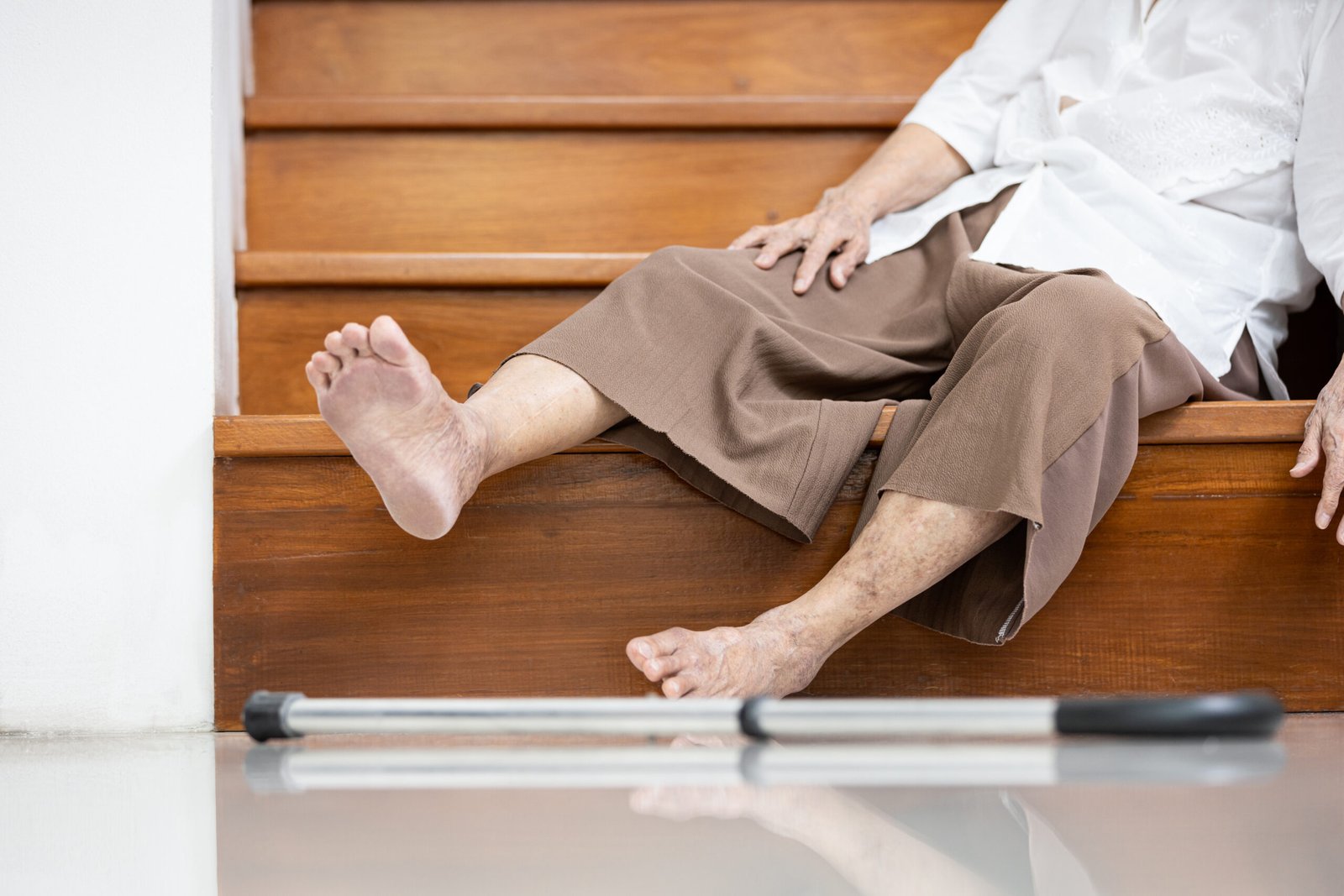
Most adults will lose their balance and mobility not because of age, but because their feet are too weak to keep them upright—yet nearly everyone overlooks this hidden vulnerability until it’s too late.
Story Highlights
- Strengthening foot muscles is key to preventing age-related decline, falls, and chronic pain.
- Minimalist footwear and simple foot exercises are scientifically proven to boost foot strength and stability.
- Experts urge integrating foot-focused routines into daily life for long-term mobility.
- Preventive foot care is reshaping how clinicians, athletes, and the public approach overall health.
Why Weak Feet Are America’s Silent Health Crisis
Most people assume that joint pain, poor balance, and declining mobility are inevitable signs of aging. Medical researchers now argue that this thinking ignores a root cause hiding in plain sight: weak intrinsic foot muscles. For decades, foot health was reactive—focused on treating injuries, prescribing orthotics, or managing pain after problems surfaced. Recent studies upend this narrative, showing that targeted foot muscle training can dramatically improve balance, posture, and even reduce future disability. The message is clear: neglecting foot strength may be the single biggest mistake aging adults make if they want to live independently.
Evidence from meta-analyses published between 2021 and 2024 now demonstrates that daily foot exercises and moving in minimalist shoes can achieve measurable gains in foot strength within months. One study found a stunning 57% increase in foot muscle strength after six months of minimalist footwear use. Researchers tracked not just muscle bulk, but improvements in stability, self-perceived disability, and even postural alignment. Preventive strategies are gaining traction among clinicians, who are urging patients to shift from supportive shoes and passive treatments to proactive strengthening—no matter their age or athletic background.
How Modern Life Weakens Feet—and What You Can Do About It
Humans evolved for barefoot movement, relying on a complex web of small foot muscles to support the arch and maintain balance. Modern lifestyles and footwear, however, work against nature’s design. Cushioned shoes and sedentary habits weaken these “foot core” muscles, making us more vulnerable to falls and chronic pain as we age. The surge in interest for barefoot running and minimalist shoes in the 2010s triggered a wave of research into natural foot function and its impact on overall health. Today, leading podiatrists and physical therapists are integrating foot muscle training into rehab and sports programs, arguing that this shift is as crucial as core or hip strengthening for lifelong mobility.
Experts caution that transitioning to minimalist footwear should be gradual. Sudden changes can cause injury if muscles aren’t conditioned. The solution: start with simple, supervised exercises like toe curls, arch lifts, and balance drills before progressing to barefoot walking or minimalist shoes. Individual assessment remains vital, especially for those with existing foot problems. Yet consensus is building—foot strength is foundational for everyone, not just athletes. Incorporating targeted exercises for the intrinsic foot muscles can reduce the risk of falls, improve stability, and potentially lower long-term healthcare costs associated with age-related decline.
Scientific Consensus: Foot Strength Is the New Preventive Medicine
Meta-analyses and randomized controlled trials have confirmed moderate to large improvements in balance, foot strength, and stability from exercise-based and footwear-based interventions. These benefits are especially pronounced for older adults, who face the highest risk of falls and mobility loss. Athletes, too, are reaping rewards in performance and injury prevention, with sports medicine programs now including “foot core” training alongside traditional routines. The economic implications are significant—stronger feet mean fewer falls, less disability, and lower healthcare expenditures for musculoskeletal disorders.
Industry stakeholders are responding. Minimalist footwear is now a billion-dollar market, with brands touting evidence-based designs that promote natural movement. Clinicians and researchers continue to refine protocols, balancing the benefits of supportive and minimalist footwear depending on individual needs. While debate persists about pain reduction, studies consistently show gains in function and mobility. Preventive foot care is no longer fringe science; it is fast becoming a mainstream pillar of public health and athletic training.
Sources:
Evidence for Intrinsic Foot Muscle Training in Improving Foot Function (2024, meta-analysis)
Daily activity in minimal footwear increases foot strength (Nature, 2021)
The Benefits of Strengthening the Foot Muscles (Omaha Foot Doctor, clinical commentary)
The influence of foot muscles exercises and minimalist shoes on performance (Nature, 2024)
Muscle Strengthening Exercises for the Foot and Ankle: A Scoping Review (2023)