One overlooked label on your favorite ice cream bar could trigger a nationwide scramble—not for dessert, but for answers, accountability, and trust.
Story Snapshot
- FDA recalls Häagen-Dazs ice cream bars in 31 states over undeclared wheat allergen
- Dreyer’s Grand Ice Cream, Inc. faces scrutiny for allergen labeling lapses
- Immediate consumer safety measures disrupt retail and supply chains
- Broader food industry faces renewed pressure for compliance and transparency
FDA Recall Shakes Trust in a Beloved Brand
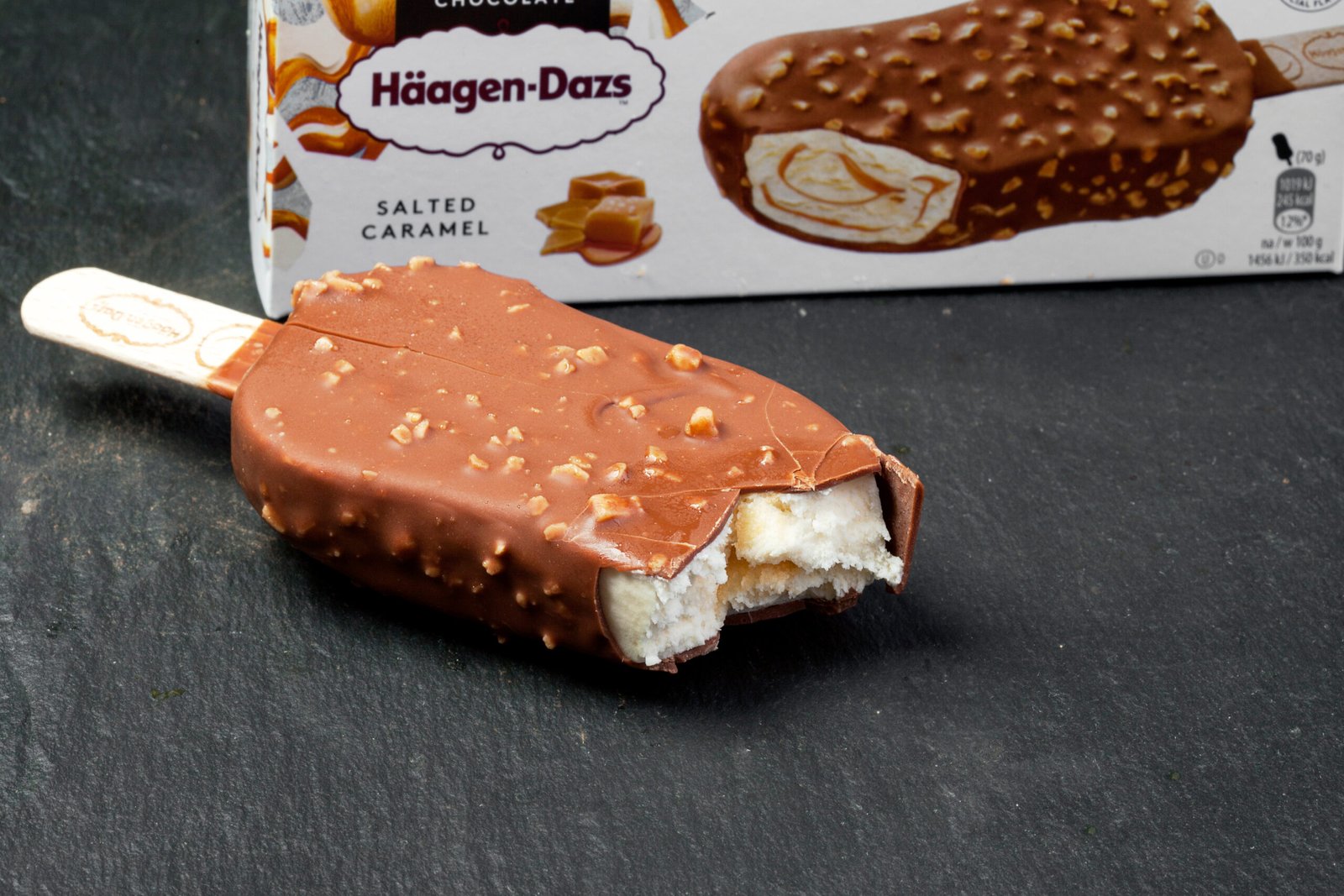
The FDA’s November 4, 2025 recall of Häagen-Dazs ice cream bars sent a ripple through 31 states. The root cause: some bars may contain wheat not declared on the label, a serious risk for anyone with wheat allergies or sensitivities. Dreyer’s Grand Ice Cream, Inc., the American producer for Häagen-Dazs, initiated the recall after internal or external reports—details left vague—alerted authorities to the threat. This is not a case of spoiled ice cream or contamination by bacteria; it is a failure to disclose an ingredient that could send someone to the emergency room. The scope is vast, touching countless homes and retailers across the country, and the stakes are personal for millions managing food allergies.
While some food recalls fade quietly, the Häagen-Dazs incident stands out because of the brand’s ubiquity and the sheer number of states involved. Americans have come to expect that a product as familiar as an ice cream bar will be both delicious and safe, especially from a globally recognized name. The recall upends that assumption, raising uncomfortable questions about how such a high-profile product could slip through the cracks of regulatory oversight and internal quality control. For consumers with wheat allergies, the error is not minor; it is a breach of trust with potentially life-threatening consequences.
Regulatory Oversight Meets Manufacturing Realities
The FDA’s intervention is a reminder of the regulatory tightrope food manufacturers walk every day. The United States maintains stringent labeling laws to protect consumers, particularly the growing population with food allergies. Dreyer’s Grand Ice Cream, Inc. is responsible for compliance, and the FDA acts as watchdog and enforcer. In this ecosystem, one unlisted ingredient can set off a chain reaction: immediate recalls, public advisories, and a logistical scramble as products are yanked from store freezers. Retailers must pivot fast, pulling affected items and reassuring customers, while Dreyer’s faces not just regulatory pressure but also the court of public opinion. Every recall brings new scrutiny—on supply chains, on labeling practices, and on how quickly a company responds when the system fails.
No company is immune to mistakes, but for giants like Häagen-Dazs, the margin for error is razor-thin. Previous allergen-related recalls—whether from Häagen-Dazs or competitors—underscore that even established brands can falter. The difference now is scale and visibility. When a recall hits over 30 states, it is no longer just a quality control issue; it is a matter of national conversation, amplified by social media and consumer advocacy groups. The FDA’s recall database becomes the primary source of truth, and every news outlet echoes its warnings. Yet, despite the regulatory machinery, the specifics—such as which lot numbers are affected—often remain murky in the opening days, leaving consumers to wonder if their freezer is safe.
Impact Echoes Across Industry and Households
Consumers with wheat allergies are the immediate priority, but the ripples from this recall extend much further. Retailers across 31 states must identify, remove, and account for every affected box, disrupting supply chains and shelving plans. For Dreyer’s, the financial impact is compounded by potential lawsuits and reputational damage—no small matter when selling an everyday indulgence like ice cream. The company must manage not only compliance but also the narrative: are they trustworthy stewards of consumer safety, or just the latest in a string of brands caught off guard?
The broader packaged food industry is watching closely. Each recall ratchets up pressure for tighter allergen controls, more robust supply chain oversight, and, inevitably, greater transparency with consumers. Some experts argue that the frequency of undeclared allergen recalls points to deeper, systemic issues—complex manufacturing processes, evolving ingredient sourcing, and the relentless pace of product innovation. Consumer advocates call for stiffer penalties, while industry voices point to the rarity of such errors given the scale of modern food production. Yet, for families managing food allergies, the debate is not academic. They demand—and deserve—certainty at the checkout counter.
Sources:
FDA Recalls, Market Withdrawals, & Safety Alerts
NTD News: FDA Warns of Another Ice Cream Recall in 31 States