
The dawn of a new era in Alzheimer’s detection and prevention could be upon us, with lifestyle changes at its core.
Story Snapshot
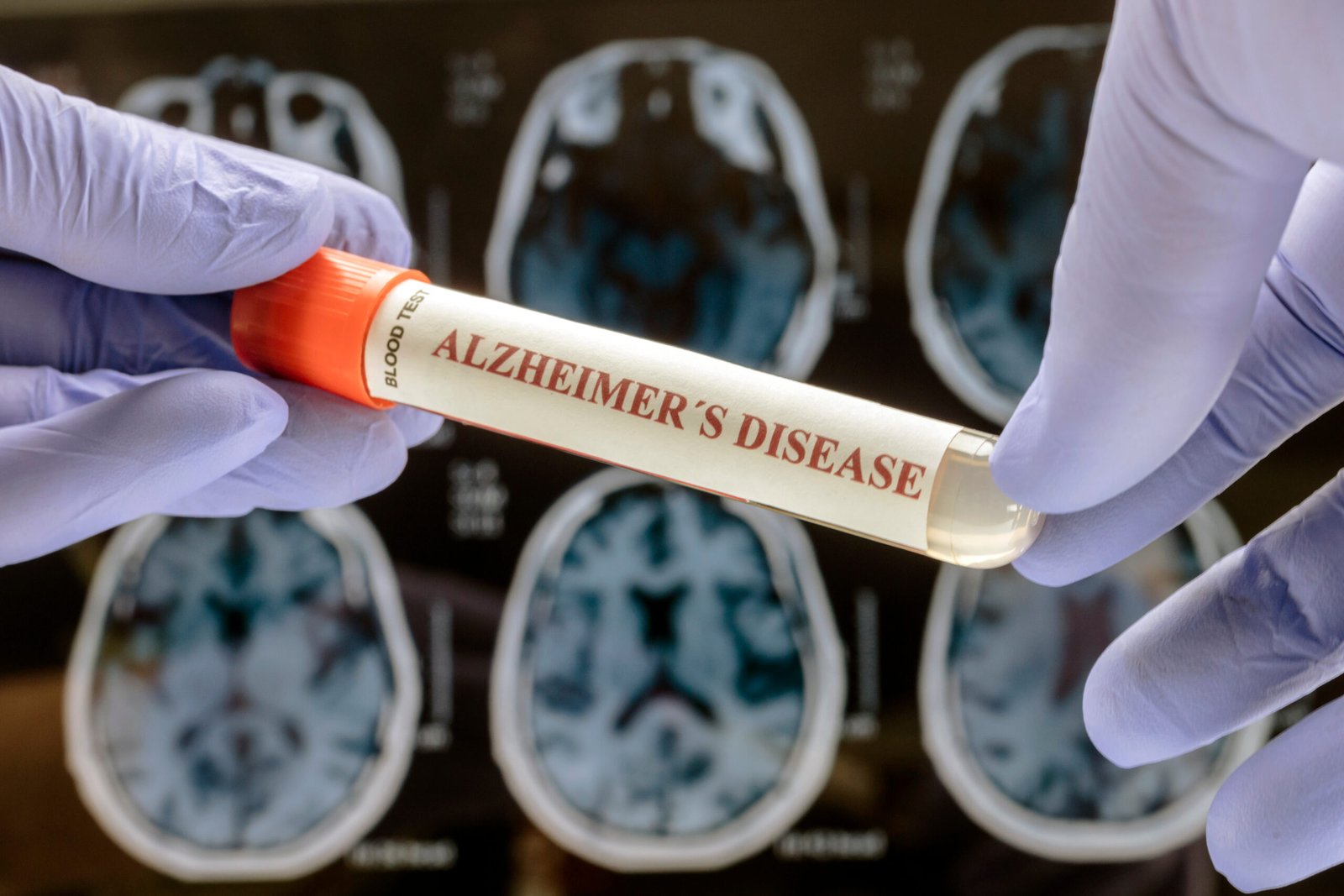
FDA approves first blood test for early Alzheimer’s diagnosis.
Younger-onset Alzheimer’s cases are on the rise, driving the need for early interventions.
Experts emphasize lifestyle changes as critical to prevention.
Integration of blood tests with existing imaging techniques is transforming the diagnostic landscape.
Revolutionizing Alzheimer’s Detection
The FDA’s clearance of the first blood test for Alzheimer’s marks a significant milestone in the battle against this pervasive disease. This advancement allows for earlier and more accessible diagnosis, crucial for managing the disease’s progression. The test is designed to identify specific biomarkers in the blood long before symptoms manifest, thus offering a crucial head start in treatment and management strategies.
The implications of this development stretch beyond mere detection. With Alzheimer’s increasingly affecting younger populations, the need for early intervention is more pressing than ever. This blood test could become a pivotal tool in preemptive healthcare, allowing healthcare providers to tailor preventative strategies much earlier in life, potentially altering the disease’s trajectory.
The Role of Lifestyle in Prevention
Experts like Dr. Daniel Amen advocate that up to half of Alzheimer’s cases could be preventable through lifestyle modifications. These include managing hypertension, engaging in regular physical activity, maintaining a healthy diet, and fostering social connections. This approach aligns with the emerging understanding that Alzheimer’s is not merely a consequence of aging but a multifactorial condition influenced by a variety of modifiable risk factors.
There is a growing body of research supporting the effectiveness of such lifestyle interventions. For instance, managing cardiovascular health, reducing inflammation, and enhancing cognitive engagement are all seen as vital components in delaying or preventing the onset of Alzheimer’s. The emphasis is on a holistic approach to health, where physical, mental, and social well-being play interconnected roles.
Integrating New Diagnostic Tools
Integrating blood-based biomarkers with existing imaging techniques, such as PET scans, represents a transformative approach in Alzheimer’s diagnostics. This comprehensive diagnostic strategy enhances the accuracy of early detection and enables more personalized treatment plans. By combining these technologies, clinicians can gain a more detailed understanding of the disease’s progression and adjust treatment protocols accordingly.
This integration is not just a technological advancement but a paradigm shift in how Alzheimer’s is approached within the healthcare system. It underscores the importance of a multidisciplinary approach, combining insights from neurology, genetics, and lifestyle medicine to tackle this complex disease from multiple angles.
The Broader Impact on Society
The societal implications of these advancements are profound. Early detection and prevention strategies could significantly reduce the economic and emotional burden of Alzheimer’s on families and healthcare systems. As diagnostics become more widespread and accessible, there is potential for a shift towards preventative healthcare models, emphasizing early lifestyle interventions and regular screening.
However, challenges remain, particularly in ensuring equitable access to these advancements. The high cost of new diagnostics and treatments could exacerbate existing disparities in healthcare access. Policymakers and industry leaders must address these challenges to ensure that the benefits of these innovations are realized across all demographics, ultimately transforming Alzheimer’s from a disease feared for its inevitability to one managed through informed choice and proactive care.
Sources:
Quanterix: HAI 2025 Conference Report
MIT News: New Drug Targets for Alzheimer’s
Yale News: State of Alzheimer’s Research
World Economic Forum: Recent Breakthroughs in Alzheimer’s Disease