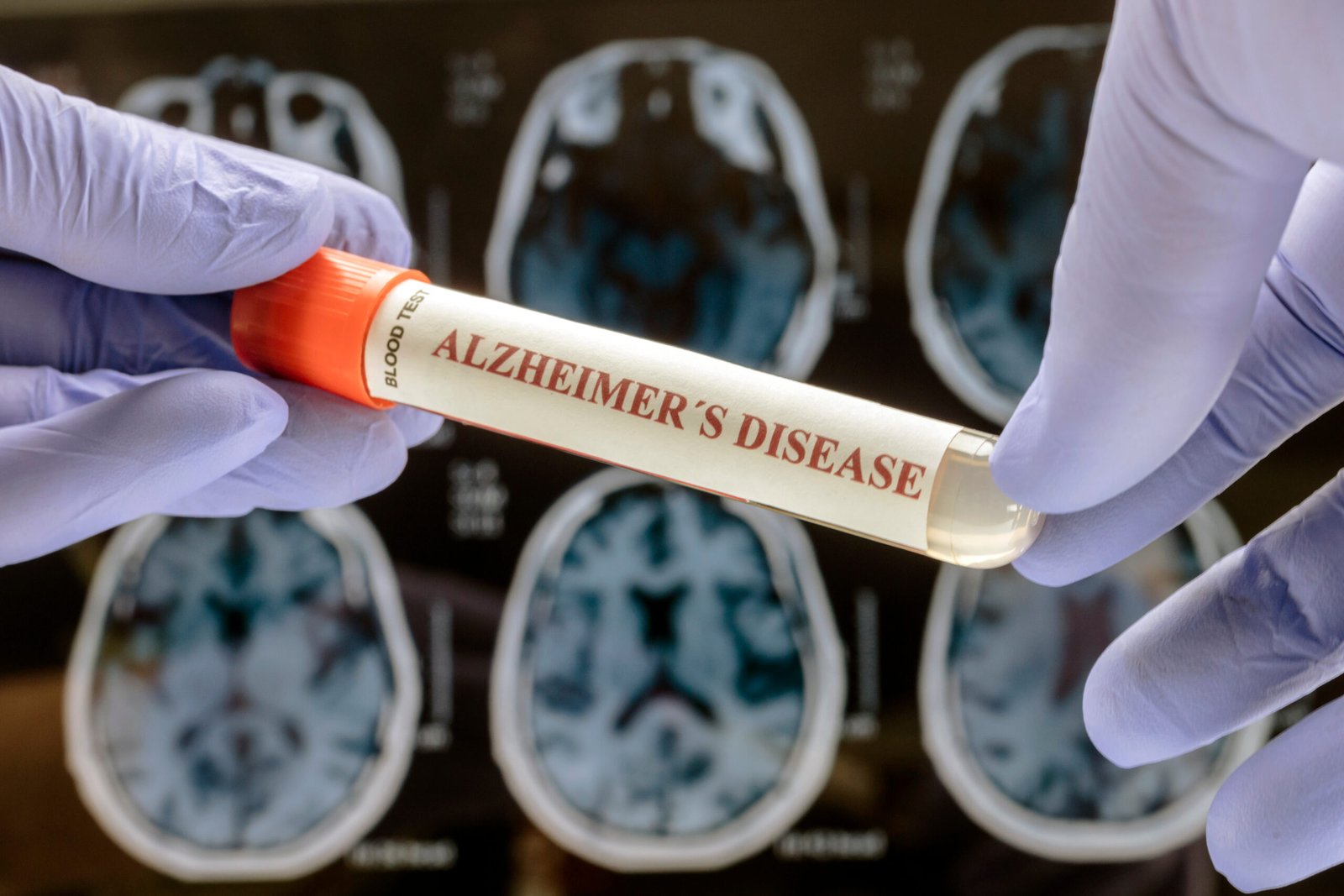
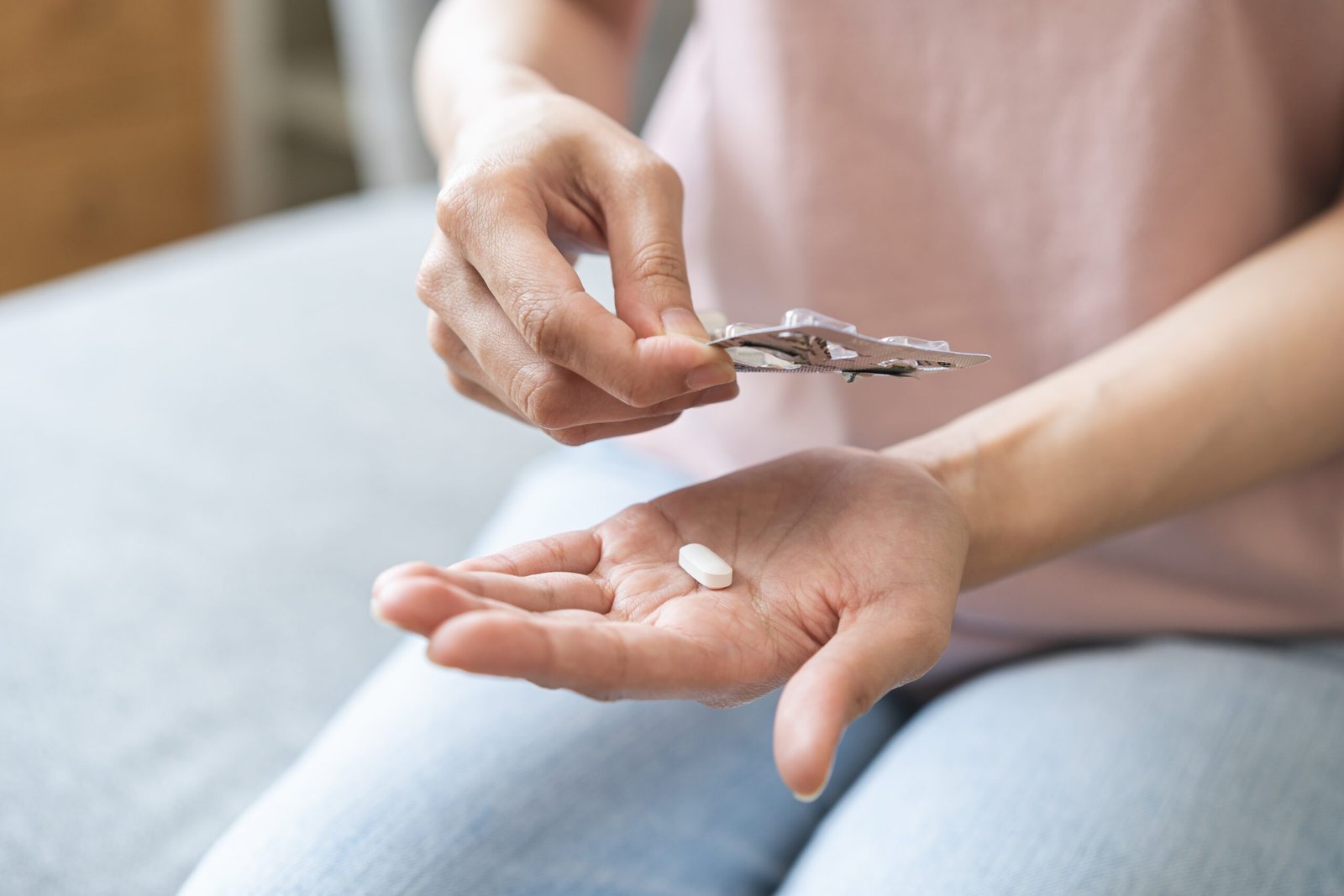
The painkiller you toss back with your antibiotic may be quietly teaching tomorrow’s superbugs how to beat both.
Story Snapshot
- Common painkillers like ibuprofen and acetaminophen can supercharge E. coli’s ability to resist multiple antibiotics when taken with ciprofloxacin.
- Lab tests show these everyday drugs boost mutation rates and switch on bacterial “efflux pumps” that spit antibiotics back out.
- Aged‑care facilities and hospitals, where polypharmacy is routine, could be unintentional training grounds for stronger superbugs.
- Experts argue antibiotic resistance is now about the entire drug cocktail, not just the antibiotic you’re prescribed.
How Your Medicine Cabinet Became a Superbug Training Kit
Doctors have warned for years about overusing antibiotics, but the new alarm bell rings from a different shelf: the painkiller aisle. University of South Australia researchers exposed E. coli to ciprofloxacin alongside two of the world’s most trusted over‑the‑counter drugs, ibuprofen and acetaminophen/paracetamol. Instead of just dulling your headache on the sidelines, these medicines helped bacteria rack up mutations faster and walk away highly resistant to the very antibiotic meant to kill them.
In plain English, the bacteria got smarter, quicker. When E. coli met ciprofloxacin alone, resistance still emerged, but more slowly. Add ibuprofen or paracetamol, and the mutation frequency jumped; combine both painkillers, and the bugs became not only tougher against ciprofloxacin but also more stubborn against other antibiotic classes, including drugs like levofloxacin and cefepime. A short course of “routine” meds effectively turned into a boot camp in survival training for microbes.
Meet My Healthy Doc instant answers, anytime, anywhere.
The Hidden Mechanics: How Painkillers Help Bacteria Spit Out Antibiotics
Under the microscope, the story gets more unsettling. The UniSA team showed that ibuprofen and paracetamol do not merely sit there while antibiotics do the heavy lifting; they flip on bacterial defense systems. Chief among them are efflux pumps, tiny molecular bouncers embedded in the bacterial membrane that grab incoming antibiotics and throw them back out before the drugs can do real damage.
Once those pumps crank up, antibiotic levels inside the cell plummet, buying bacteria extra time to mutate and adapt. Genetic analysis revealed a spike in mutations tied to multi‑drug resistance, including changes that made some E. coli strains up to 64 times less sensitive to ciprofloxacin when certain non‑antibiotic medicines were combined. The result is cross‑resistance: a bug primed to shrug off one drug now begins dodging a whole family of treatments, shrinking the arsenal that still works when a real infection hits.
Say goodbye to long waits. Hello to instant care.
Why Elder‑Care and Hospitals Sit on the Fault Line
The lab work becomes more than a scientific curiosity once you map it onto real life, especially in aged‑care facilities. Older adults often take multiple medications every day—from diuretics to NSAIDs to antidepressants—then receive antibiotics when infections arise. That polypharmacy means bacteria in their gut or urinary tract routinely face the same cocktail the UniSA team recreated in glassware.
Lead author Associate Professor Rietie Venter calls the findings a clear reminder that clinicians must think about the full medicine list, not just the antibiotic, when treating infections in these settings. From a common‑sense conservative standpoint, the message aligns with long‑standing skepticism toward one‑size‑fits‑all prescribing: more drugs are not always better, and layering “safe” pills on top of antibiotics can produce unintended, system‑wide consequences. Stewardship now has to reach into the over‑the‑counter basket as well.
Free medical guidance, anytime. Start your chat today.
What This Means for Patients, Doctors, and Policy
The UniSA work remains laboratory‑based, so no one can honestly claim that every Advil plus antibiotic equals a future superbug. Even outside commentators, such as Fox’s Dr. Marc Siegel, emphasize that antibiotic misuse is still the primary engine of resistance while acknowledging accumulating evidence that NSAIDs and even antidepressants can nudge bacteria in the same dangerous direction. Their shared position is measured: do not panic and ditch pain control, but stop pretending these drugs are microbiologically invisible.
From a policy lens, the conservative instinct toward prudence and limited but smart regulation fits the data. The study suggests three practical moves: first, clinicians should think twice before automatically pairing ciprofloxacin with ibuprofen or paracetamol when alternatives exist, especially in frail or chronically medicated patients. Second, hospitals and aged‑care facilities should weave non‑antibiotic co‑medications into their antibiotic stewardship plans. Third, regulators and drug makers ought to support broader screening of common non‑antibiotic medicines for their impact on bacterial resistance, before those effects quietly reshape the bugs we fight.
Sources:
Common painkillers may fuel deadly superbugs that resist antibiotics, study
Common Painkillers Like Ibuprofen Could Be Fueling a Global Health Threat
Common painkillers linked to antibiotic resistance
Common painkillers linked to antibiotic resistance (RACGP)
Common Pain Meds Could Be Contributing to Antibiotic Resistance
Common painkillers linked to antibiotic resistance (UniSA release)
How do common painkillers drive stronger E. coli resistance?
WHO warns of widespread resistance to common antibiotics worldwide