
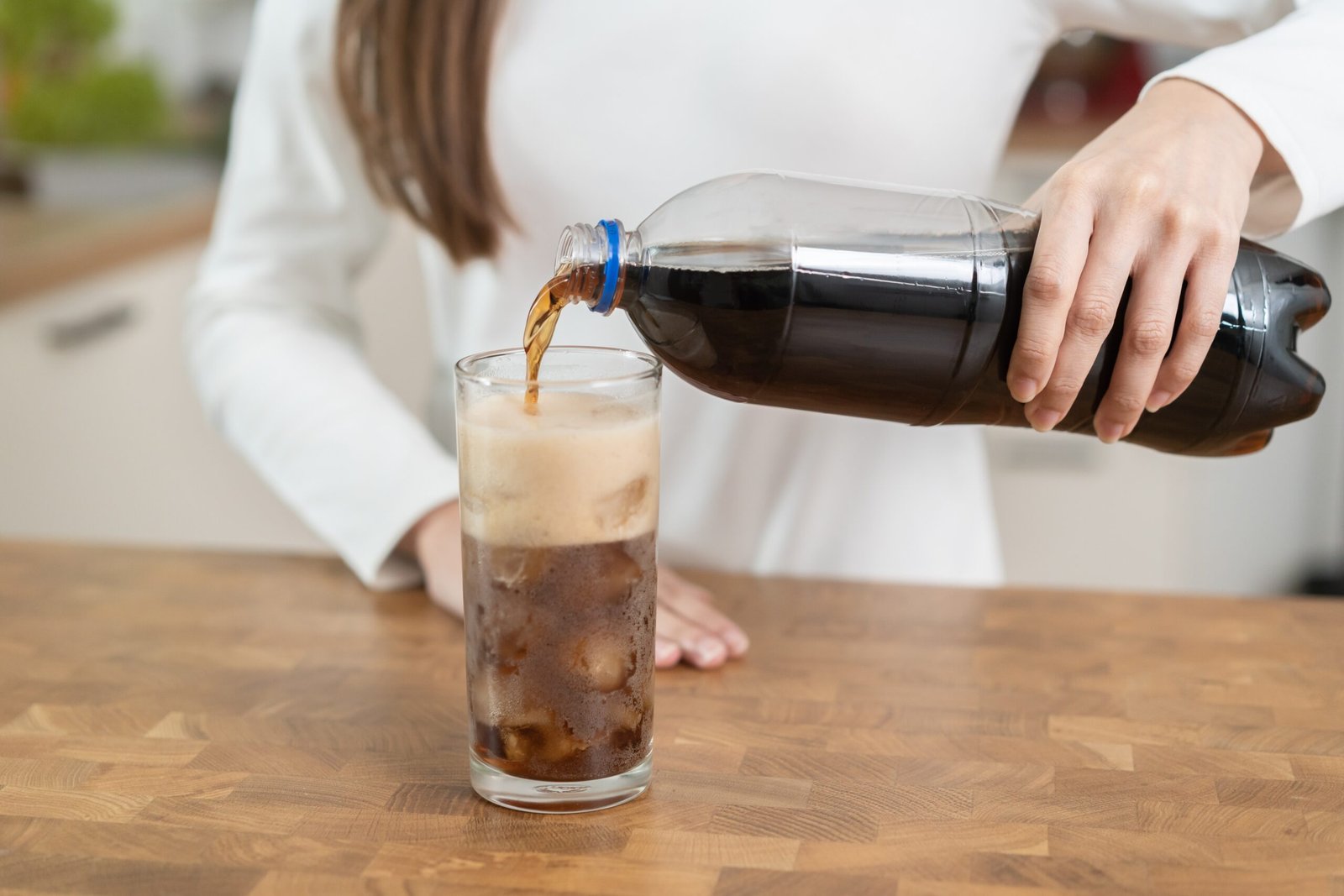
Diet sodas—once championed as guilt-free—may be quietly accelerating liver disease, and scientists now warn that even a single daily can could be riskier than the sugary sodas they were meant to replace.
Story Snapshot
- Major new study links both regular and diet sodas to increased risk of metabolic liver disease.
- Diet sodas are associated with an even higher risk than sugar-sweetened beverages.
- Only water substitution shows a protective effect for liver health.
- Findings challenge decades-old assumptions about artificial sweeteners and “diet” drinks.
Diet Sodas Under the Microscope: New Evidence Emerges
Scientists presented sobering research at United European Gastroenterology Week 2025 in Berlin, tracking over 120,000 adults for more than a decade. The study upends conventional wisdom, revealing that both sugar-sweetened and artificially sweetened sodas are linked to a sharply increased risk of metabolic dysfunction-associated steatotic liver disease (MASLD), the world’s most prevalent chronic liver condition. Contrary to popular belief, those who swapped regular soda for “diet” options faced an even higher risk, challenging the core marketing pitch of diet beverages.
MASLD, previously called non-alcoholic fatty liver disease (NAFLD), affects over 30% of adults globally and has emerged as a silent epidemic. Artificial sweeteners entered the mainstream as “healthier” alternatives in the late twentieth century, riding a wave of public demand for calorie-free drinks. Yet, as the study’s lead author, Dr. Lihe Liu, bluntly stated, “Even modest intake levels, such as a single can per day, were linked to a higher risk of MASLD.” This revelation undermines decades of beverage industry messaging and public perception.
How the Study Flipped the Script on Diet Soda Safety
Researchers utilized the UK Biobank, a massive and diverse health database, to follow participants for a median of 10.3 years. The direct comparison between regular and diet sodas revealed that artificially sweetened beverages were associated with about a 60% increased risk of MASLD, compared to roughly 50% for sugary sodas. More alarmingly, only water substitution—replacing sodas with water—reduced liver disease risk, highlighting that switching from one soda type to another offers no meaningful benefit. These results were robust, widely reported, and presented at a leading international medical forum.
This study lands amid growing scrutiny of artificial sweeteners. While earlier research linked sugary drinks to obesity, diabetes, and liver fat accumulation, evidence about diet sodas was previously mixed and less convincing. Now, large-scale, long-term data suggest that sweeteners may disrupt gut microbiota, appetite regulation, and metabolic signaling—potentially explaining their unexpected impact on liver health. For decades, diet sodas were believed to be metabolically inert, but this new evidence suggests a more complicated and troubling reality.
Stakeholder Reactions and Brewing Controversy
Academic researchers and public health organizations currently hold the scientific high ground, but beverage manufacturers face a potential reputational crisis. Industry lobbyists may seek to contextualize or challenge these findings, while policymakers and health agencies weigh regulatory responses. The economic stakes are significant; if diet sodas lose their halo of health, sales could decline, water and alternative beverages might surge, and new taxes or warning labels could emerge. Media outlets amplify the debate, shaping consumer perceptions and fueling policy discussions.
Experts urge consumers to rethink beverage choices. Leading gastroenterologists now recommend limiting both sugary and artificially sweetened drinks, citing water as the safest option. While some nutritionists still argue that diet sodas may help with diabetes or weight management, this study suggests neither is safe for liver health. The call for further research is strong, especially to clarify how artificial sweeteners affect the gut and metabolism. For now, the scientific consensus is clear: water trumps all other options when it comes to protecting your liver.
What Happens Next? Long-Term Implications for Health and Industry
The short-term impact is increased scrutiny and consumer anxiety over diet sodas. Long-term, dietary guidelines, beverage labeling, and public health messaging may shift, potentially reshaping the beverage industry and popular habits. People living with or at risk for MASLD, already a vast cohort, are likely to reconsider their choices. Policymakers may debate taxes, warnings, and advertising restrictions. Meanwhile, healthcare providers face new urgency to address liver disease prevention, and researchers pursue deeper answers about sweeteners and metabolism.
As new evidence mounts, one open question remains: will consumers and industry leaders adapt quickly enough to stem the tide of liver disease, or will old habits and marketing messages persist? The next move—by regulators, manufacturers, and ordinary soda drinkers—could reshape the future of public health in ways not seen since the war on tobacco.
Sources: